In a world where travel has become so homogenous, with hotel brands being the same in Mumbai and Manhattan, travellers are increasingly craving something more authentic. We desire to have the local dishes, local tales and experience how locals live their lives. However, when we are being sincere, we would like clean sheets, drinking water, and a comfy bed after a day of exploration, too. This is the beautiful paradox of modern travel, and it’s exactly what a well-executed homestay experience delivers.
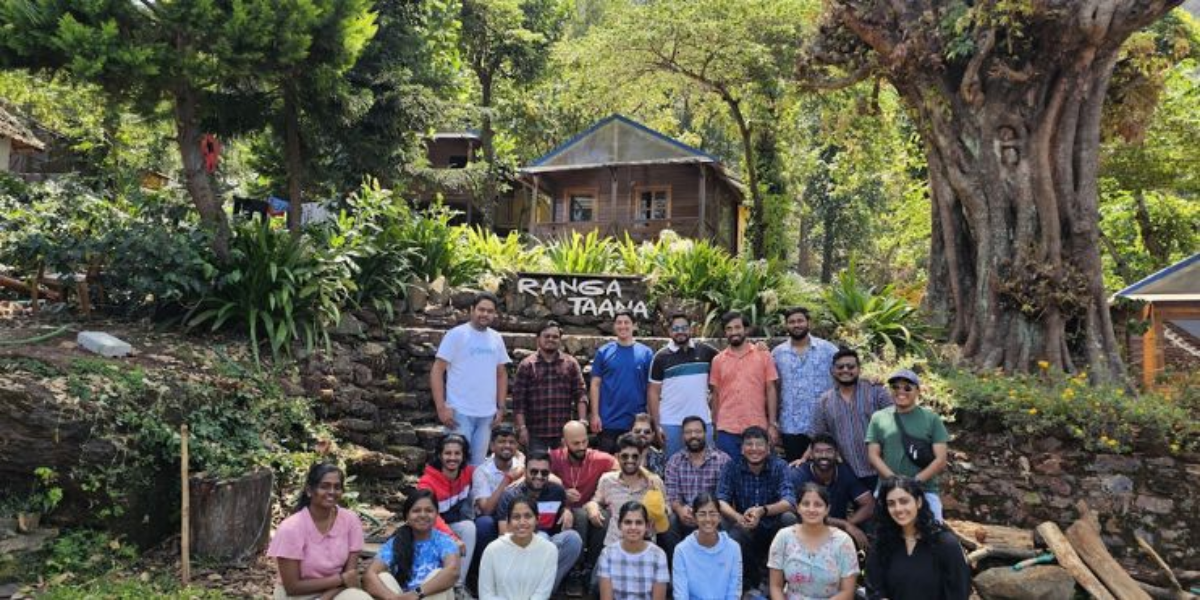
At Ranga Taana, nestled in the heart of Ranganath Coffee Estate near Kemmangundi, we’ve spent years understanding what “modern comfort in homestays” should realistically mean. It is not laying marble floors in the lobby and constructing infinity pools. It is about building an environment based on nature first, with the homestay experience of the place that offers an authentic homestay stay experience that leaves the guests feeling safe, comfortable, and cared about by their hosts. This equilibrium is not only possible but crucial to both meaningful travel and cultural preservation.
What a “Homestay Experience” Really Means (Beyond Just a Place to Sleep)
When the majority of people heard about a homestay, they could get an idea of the vacant bedroom in a house. However, a real homestay experience would be much more engaging than that. It means being more immersed in the local life: rising to the beat of a coffee plantation instead of an alarm clock, eating the food made with local produce and the oldest recipes, and being immersed in people who are not just a part of the service staff but who also hold the keys to their history and culture.
Your day at our homestay does not have a strict schedule like that of a hotel. You are instead exposed to the natural rhythm of estate life. You can go on early morning strolls through pepper and cardamom beds, get to know the coffee-growing and processing process, or sit and have a cup of coffee grown on the estate and hear tales of the history and tradition of the Malnad region.
This type of stay differs fundamentally from hotels and resorts. In those establishments, service is standardised and impersonal, efficient, yes, but often devoid of genuine connection. The local culture travel experience at a homestay is personalised because you’re not guest number 247; you’re someone the hosts actually get to know. They’ll remember that you prefer your coffee strong, that you’re interested in local wildlife or that you’d love to visit a nearby temple that isn’t in any guidebook.
How Homestays Help Preserve Local Culture (The 5 Real Reasons)
-
Local Cuisine Stays Alive Through Everyday Cooking
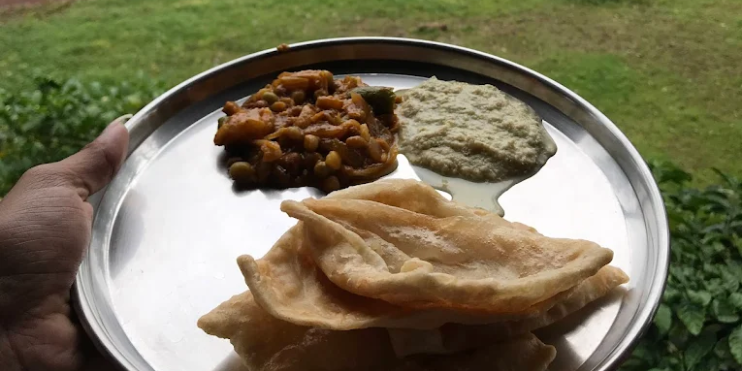
You are eating family recipes here: akki rotti using rice flour at the local paddies, bamboo shoot curry made in the way the grandmothers used to teach their daughters, and coffee made using beans which were picked just outside your cottage. The ingredients are also hyper-local: vegetables grown in the kitchen gardens, spices growing on the estate, and wild mushrooms gathered in monsoon periods. This is not farm-to-table as a fashionable idea; this is how communities in this region traditionally ate.
Every time guests request these authentic dishes instead of generic “continental” menus, they’re voting with their appetite for cultural preservation. They are making sure that the young generations find something to look up to in the learning of these recipes and that the local ingredients are not being phased out of production, and the regional food traditions are not being phased out of existence to be replaced by the globalisation of blandness.
-
Architecture and Materials Reflect Place (Not a “Copy-Paste” Build)
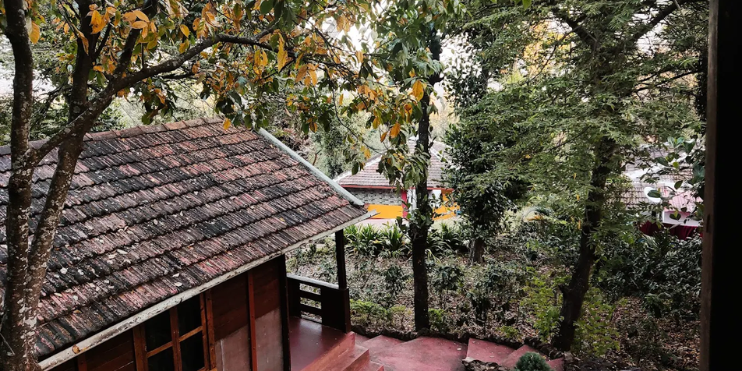
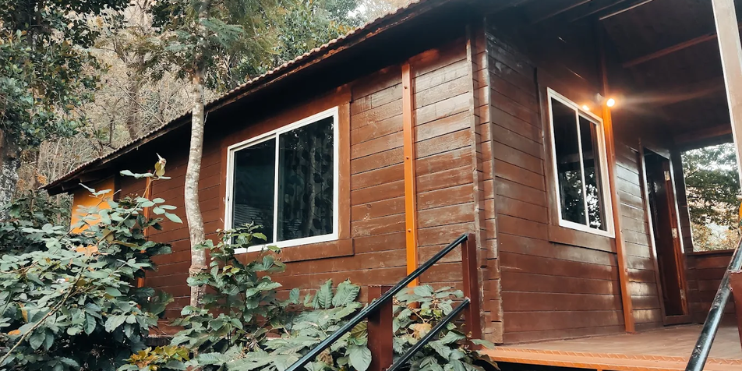
In most modern resorts, you might feel as though you could be anywhere. It is the same glass and steel, the same “contemporary” style that puts all sense of location out of existence. Enter the wooden cottages of our homestay, and now you can immediately tell that you are now at a certain place.
These buildings are not only beautiful but also culturally and climatically suitable. These wooded hills are rich in wood that offers natural insulation from cool winter nights in the region. The cross-ventilation of the cottage design makes it suitable for a damp climate. Monsoon rains are managed by sloping roofs, as the local architecture has been doing for centuries. The craftsmanship, too, the joinery, the finishes, are all of traditional building know-how, local to this area.
This type of structure is important in terms of preservation since it maintains the legacy of old building skills. By hiring local carpenters and adopting local materials and climate-based design instead of climate-defying design, homestays are preserving a knowledge ecosystem that would otherwise be destroyed by the introduction of concrete construction.
-
Stories, Traditions, and Local Etiquette Get Passed On Naturally
Culture isn’t just food and buildings—it’s stories, beliefs, rituals, and the subtle etiquette that governs community life. Hotels can’t teach you this; they’re too transactional. But homestay hosts? They’re natural cultural interpreters.
In Ranga Taana, the evening tea discussions may also indicate why one tree has been identified as sacred, how water is managed in coffee estates, or what the agricultural festivals are. You will get to know how to greet the elders, why some parts of the forest are safe, and get to hear about the history of the region that cannot be found in books.
This informal education is invaluable. It turns tourists into more respectful, informed travellers who understand the “why” behind what they see. To the local community, listening to their stories makes them meaningful, and the next generation will use them instead of disregarding them as outdated.
-
Local Livelihoods Benefit Directly
This is where cultural preservation turns out to be economic sustainability. A homestay experience with modern comfort forms a network of local economic life that contributes to the prosperity of whole communities.
We use local farmers as sources of our ingredients, we hire local employees who bring along with them their native hospitality and local guides who understand all the undiscovered waterfalls and trekking pathways, and we also use local transportation. The money is channelled to local operators who are very familiar with the land when guests book activities, such as a trek to some distant waterfalls or a visit to the attractions of Kemmangundi.
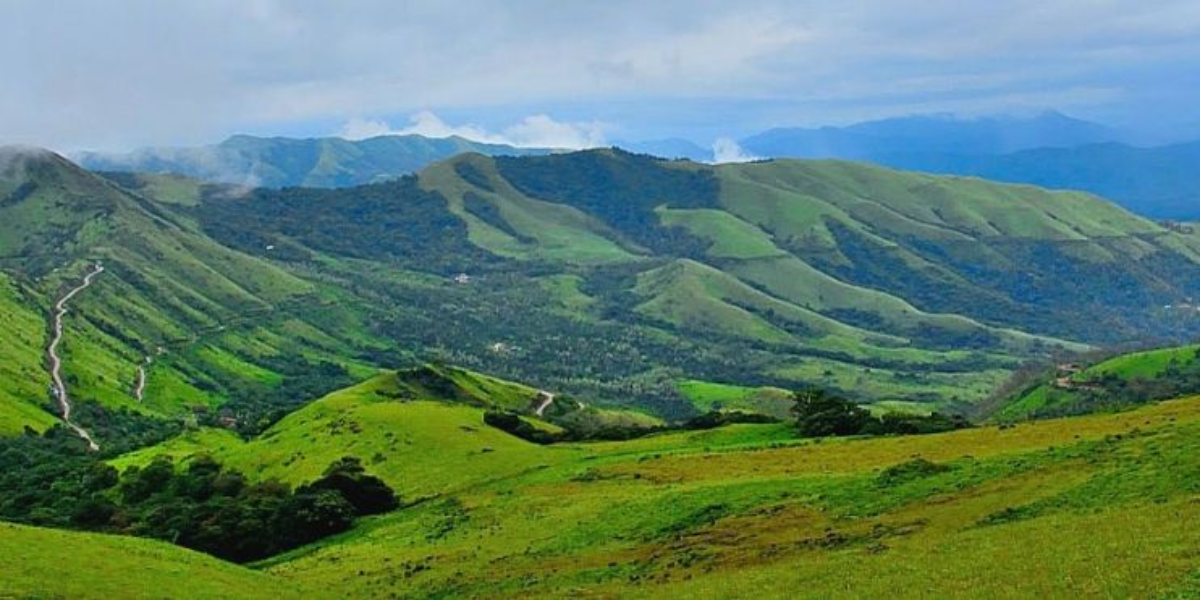
This economic model gives communities a reason to preserve their culture. When traditional skills, local knowledge, and cultural authenticity become assets that generate income, they’re protected and celebrated rather than abandoned in pursuit of urban jobs. The coffee estate itself, a hundred acres of lush plantation adjoining the Kemmangundi hills, remains viable because tourism complements agricultural income.
-
Guests Learn Respectful Travel Behaviors
Lastly, homestays also educate the guests to become greater travellers. It is natural that when you are in a people’s home environment and not in an unknown hotel, you will become more culturally sensitive. It is not a guide that teaches you the local do’s and don’ts, but rather experience.
You know how valuable water is, and it should not be wasted. You get to understand how to enjoy the silent time and observe the rhythms of the estate. That is what you learn: what behaviours are acceptable and what are not. Such training in respectful travelling will see guests leave not only with a memory but also a better idea of how to travel responsibly-lessons which they will take to other places.
Where Modern Comfort Fits In (Without Diluting the Culture)
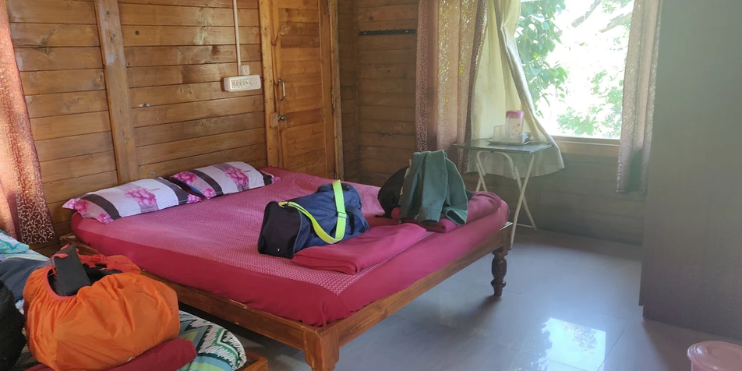
At Ranga Taana, modern comfort entails clean, well-maintained rooms with comfortable beds, which help you wake up refreshed and not sore. It implies clean kitchens that implement food safety measures but still cook and serve traditional food. It is safe to have drinking water systems to ensure that you stay cool without concerns. The hot-water bathrooms provided after trekking are not culturally authentic, which can make people feel uncomfortable.
Modern comfort also implies good communication, being able to understand what to do, ask questions, and orient yourself in the place. It is arranged so that you do not have to be confused about what to do. It is privacy when you want it, even within a community-oriented setup. And most importantly, it implies being responsive to the service in case there are problems, since comfort also involves peace of mind.
Our wooden cottages are a perfect example of this balance; they are like living in the forest, as one is in harmony with nature, but they are furnished with all that would make the stay comfortable. The authentic malnad cuisine used in all food preparations is something that takes care of your palate, besides introducing you to the local tastes.
Why Choose Ranga Taana
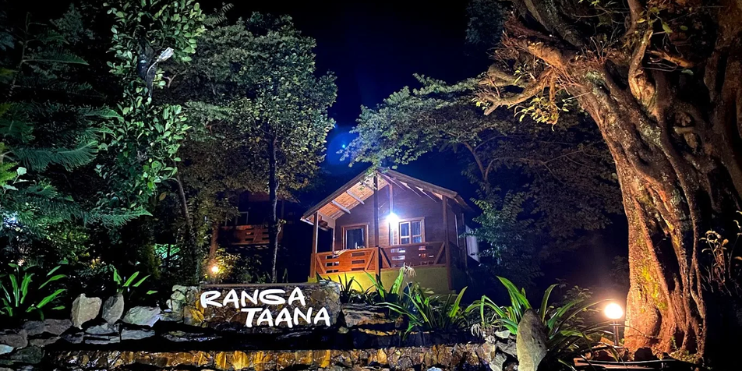
We will not disappoint, whether you are a couple in need of a romantic getaway, a family who desires to expose children to nature, or urbanites in need of a real rural experience. We are an ideal vacation destination for all people: those who like visiting well-known places and those who like to explore the unexplored places that only locals are acquainted with.
When we promise you an authentic experience, it does not imply that we have to compromise your comfort. This experience involves enhancing your comfort through hospitality, delicious homemade food, and the tranquillity that comes from disconnecting from busy urban life, all while ensuring you feel safe and well cared for.
Conclusion
The best travel experiences don’t force you to choose between cultural authenticity and personal comfort. A well-executed homestay experience like ours proves these elements strengthen each other: culture provides the soul, and comfort provides the support that lets you fully appreciate it.
When you choose a homestay that respects local traditions while ensuring modern standards of hygiene and hospitality, you’re not just booking accommodation. You’re participating in cultural preservation, supporting local livelihoods, and learning to travel more responsibly. You’re gaining stories and connections that no resort can manufacture.
Contact us to plan your unforgettable escape to the Kemmangundi hills, or visit our website to explore our cottages, activities, and the authentic homestay experience that awaits you.