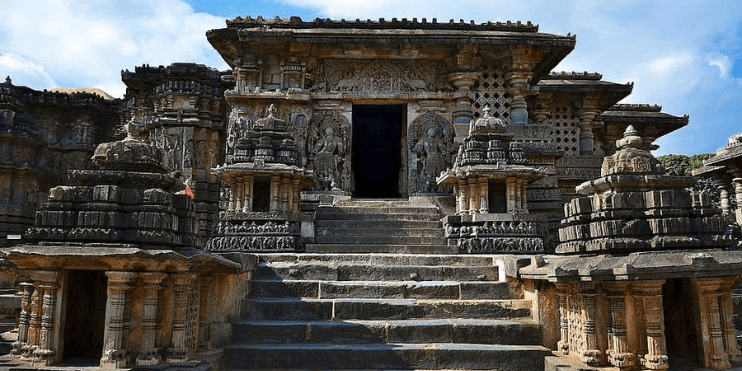
Halebidu, also commonly written as Halebeedu, is one of Karnataka’s most important heritage destinations. Once known as Dorasamudra, it served as the capital of the Hoysala Empire, & its surviving temples preserve some of the finest examples of mediaeval South Indian stone craftsmanship.
The biggest reason to visit today is the Hoysaleswara Temple, Halebidu, a 12th-century Shiva temple celebrated for its sculpted exterior, narrative friezes, twin sanctums, and distinctive Hoysala design. In 2023, Hoysaleswara Temple joined the UNESCO World Heritage List as one of the three components of the Sacred Ensembles of the Hoysalas, alongside Channakeshava Temple at Belur and Keshava Temple at Somanathapura.
Halebidu Heritage Guide at a Glance
Why Is Halebidu Famous?
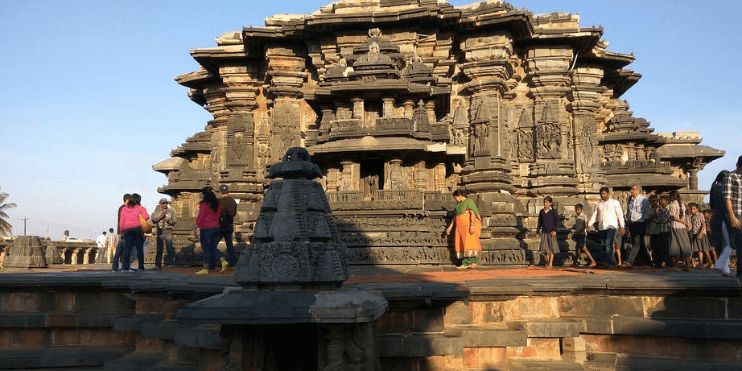
Halebidu is famous because its monuments allow you to examine Hoysala architecture at unusually close range.
Instead of relying on huge plain walls or towering vertical structures, Halebidu Hoysala architecture draws your attention towards richly carved surfaces, projecting wall sections, sculptural bands, narrative scenes, and architectural geometry.
UNESCO identifies recurring Hoysala features such as stellate forms, circumambulatory platforms, multi-tiered friezes, and extensive sculptural galleries covering temple surfaces. These features helped establish a distinct Hoysala architectural identity in southern India during the 12th and 13th centuries.
For visitors, the appeal lies in slowing down. A quick walk around the temple shows the scale of the monument, but the finer details become visible only when you study individual carvings, friezes, doorways, and pillars.
Halebidu History: From Dorasamudra to Hoysala Capital
Understanding Halebidu history makes the temples considerably easier to appreciate.
The town was historically called Dorasamudra and developed into a major Hoysala capital. UNESCO’s nomination material records the city as a royal capital from around the mid-11th century into the 14th century and connects its old name with the large reservoir beside the temple complex.
Under Hoysala rule, the region developed into an important political, artistic, and religious centre. Hindu and Jain monuments were built across the capital, reflecting the scale and cultural diversity of the settlement.
The city later experienced invasions and political decline, & its present name, Halebidu, came to be associated with the “old city”. What remains today gives visitors only part of the original urban landscape, but the surviving temples preserve the artistic sophistication for which the Hoysalas became known.
The 2023 UNESCO World Heritage Recognition
One of the most important updates missing from older Halebidu content is the site’s current UNESCO status.
In September 2023, UNESCO inscribed the Sacred Ensembles of the Hoysalas on the World Heritage List. The serial property includes:
- Channakeshava Temple at Belur
- Hoysalesvara Temple at Halebidu
- Keshava Temple at Somanathapura
UNESCO recognized these temples for the artistic and architectural qualities of the Hoysala style and inscribed the property under criteria (ii) and (iv).
Is Every Halebidu Temple Part of the UNESCO Listing?
No.
This distinction matters when discussing UNESCO Hoysala temples.
The Halebidu component of the World Heritage property centers on the Hoysalesvara Temple. Other monuments such as Kedareshwara Temple and the Jain Basadis are important parts of Halebidu’s wider heritage landscape, but they should not automatically be described as separate UNESCO World Heritage components.
Hoysaleswara Temple Halebid: The Main Heritage Attraction
The Hoysaleswara Temple Halebidu is the essential first stop.
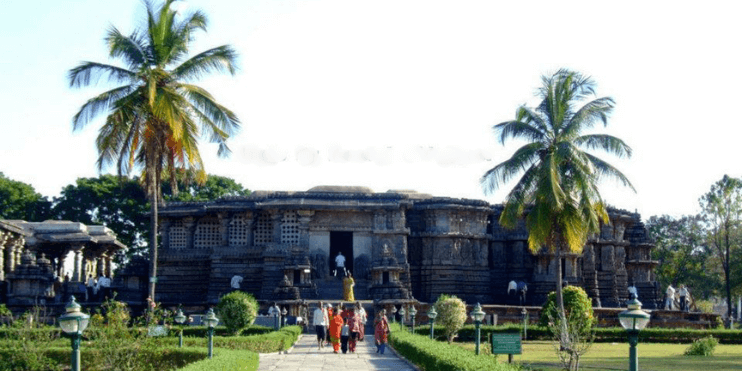
The temple was consecrated in 1121 CE during the Hoysala period & stands beside the historic Dorasamudra reservoir. It is dedicated to Shiva and developed as a twin-shrine structure, with sanctums associated with Hoysalesvara and Shantalesvara.
The scale of the sculptural program distinguishes it even among other Hoysala temples Karnataka visitors can explore.
What to Look for at Hoysaleswara Temple
1. The Twin-Shrine Design
The temple uses a dvikuta, or twin-shrine, arrangement connected through a common hall.
Understanding this layout before walking around the monument helps you recognise that you are looking at a carefully integrated architectural composition rather than two unrelated shrines.
2. Star-Like Architectural Geometry
The temple’s projecting wall surfaces and stellate forms create repeated angles around the exterior.
This design increases the amount of wall surface available for sculpture and creates changing patterns of light and shadow as you walk around the temple.
3. Narrative Stone Friezes
The outer walls are one of the most important features of Hoysaleswara Temple architecture.
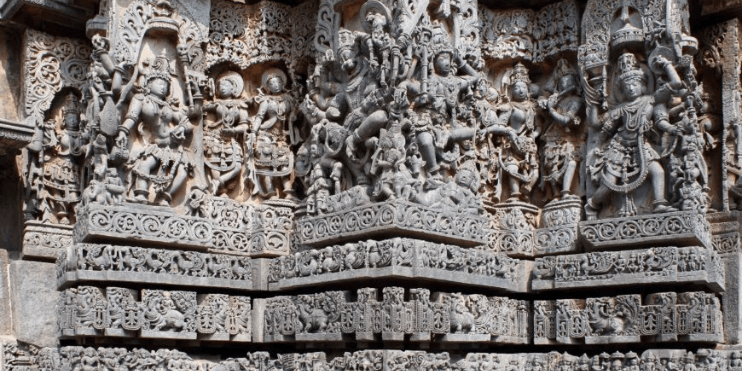
Sequences depict episodes from the Ramayana, Mahabharata and other religious narratives, alongside rows of elephants, horses, lions, scrollwork, mythical creatures and divine figures. Hassan district specifically highlights the epic narratives carved along the exterior.
Rather than walking past these as decoration, follow individual bands around the temple. The repetition and variation make the craftsmanship easier to understand.
4. Large Sculptural Panels
Above the lower horizontal friezes are larger figures of deities and mythological subjects.
UNESCO highlights the extensive sculptural gallery as one of the defining features of the Hoysala style.
5. The Nandi Mandapas
Two Nandi pavilions stand towards the eastern side of the temple and relate to the twin Shiva shrines.
UNESCO specifically notes these Nandi mandapas as surviving elements of the Hoysalesvara ensemble.
6. The Missing Temple Towers
Do not expect Hoysaleswara Temple to look like a South Indian temple dominated by a tall surviving tower.
UNESCO notes that the original shikharas are absent today and that there is no clear epigraphical evidence establishing their historic form. The monument’s significance instead survives strongly through its architecture, interior and extensive carved surfaces.
How Long Should You Spend at Hoysaleswara Temple?
Avoid reducing the visit to a quick photo stop.
Hassan district’s organized tourism route allocates around 1 hour and 35 minutes specifically to Hoysaleswara Temple. Travellers interested in architecture, photography or sculpture may want longer, particularly if using a local guide.
Karnataka Tourism also recommends local guides because they can help visitors interpret the carvings and architectural details that are easy to miss without context.
Kedareshwara Temple Halebidu
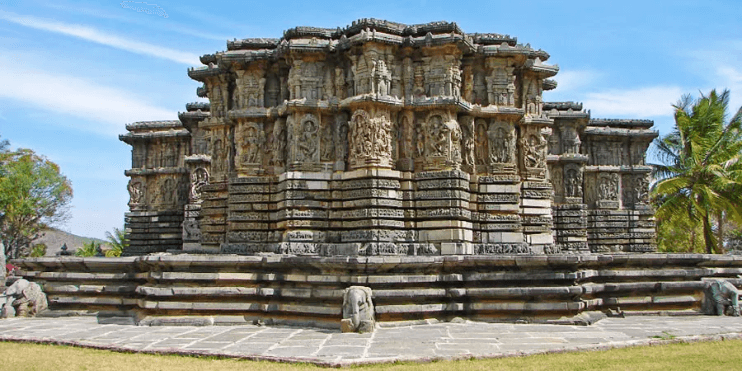
The Kedareshwara Temple Halebidu is smaller than the Hoysaleswara Temple but should remain part of a complete heritage visit.
Also dedicated to Shiva, it represents another important stage of Hoysala temple building and retains the highly articulated walls, carved details, and geometric forms associated with the style.
Its quieter setting can also make it easier to examine architectural details without spending the entire visit around Halebidu’s busiest monument.
Karnataka Tourism lists Kedareshwara Temple as one of the principal places to visit in Halebidu.
Why Include Kedareshwara Temple?
Visit it to compare:
- Temple scale
- Star-shaped geometry
- Sculptural detailing
- Pillars and ceilings
- Exterior friezes
- Later developments in Hoysala design
Seeing several monuments rather than only Hoysaleswara gives you a clearer understanding of how varied Hoysala architecture could be.
Jain Temples and Basadis of Halebidu
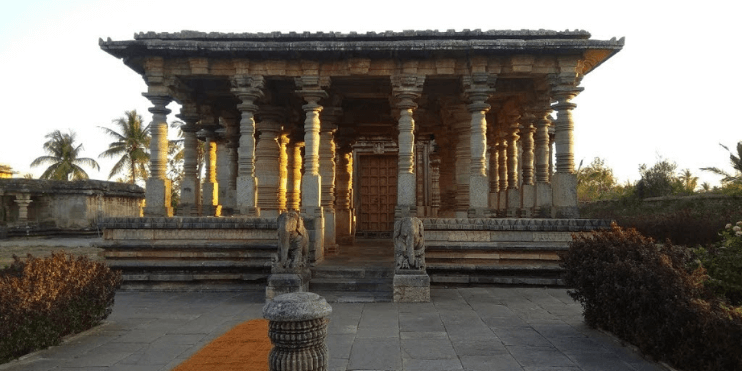
The Jain temples Halebidu preserves are another important part of the former capital’s religious landscape.
The principal Jain Basadis Halebidu visitors encounter are associated with Parshvanatha, Shantinatha, and Adinatha. These monuments date from the Hoysala period and demonstrate that Halebidu’s architectural history extends beyond its major Shiva temples.
Parshvanatha Basadi
Parshvanatha Basadi is particularly useful for visitors interested in Jain heritage and the religious diversity of medieval Karnataka.
Its pillars, shrine arrangement, and comparatively restrained character offer a useful contrast with the dense exterior sculpture of Hoysaleswara Temple.
Shantinatha and Adinatha Basadis
The neighboring Shantinatha and Adinatha monuments complete the Jain group and help place Halebidu within the wider religious landscape of the Hoysala capital.
When visiting, approach these monuments as active or historically sacred spaces rather than simply architectural backgrounds for photography.
Halebidu Archaeological Museum
The Halebidu Archaeological Museum is worth adding after seeing the temples.
Karnataka Tourism identifies the ASI-managed museum as one of Halebidu’s main attractions. Visiting it after the temple complex can provide additional archaeological context for the sculptures, architectural fragments, and wider history of the former Hoysala capital.
Because museum schedules and closures can change, check the current operating information before arranging a tightly timed visit.
How to Read Hoysala Architecture While You Walk
You do not need to be an architect to appreciate the Halebidu Hoysala temples.
Use a simple sequence as you move around the building.
Start With the Temple Plan
Step back first and notice the projecting geometry and repeated angles.
Move to the Lowest Friezes
Look for elephants, horses, lions, vegetation, and other repeated bands.
Follow the Narrative Scenes
Move slowly around the building and watch for episodes from Hindu epics.
Look Up at the Larger Sculptures
The major deity panels reward closer viewing because jewellery, weapons, clothing and facial expressions are carved at an extraordinary level of detail.
Compare Exterior and Interior
The exterior is densely sculpted, while the interior shifts attention towards pillars, ceilings, halls and shrine spaces.
This approach turns the visit into an architectural exploration rather than a simple checklist stop.
Preservation of the Hoysala Heritage
Halebidu’s principal monuments are protected heritage structures, and Hoysalesvara Temple forms part of a legally protected UNESCO World Heritage property.
UNESCO notes that the essential architectural and sculptural attributes expressing the site’s Outstanding Universal Value remain intact despite historic alterations and the loss of some architectural elements.
Visitors can support conservation through simple behaviours:
- Do not touch or scratch carvings.
- Avoid climbing on restricted architectural elements.
- Follow photography restrictions.
- Keep food away from monument surfaces.
- Use designated pathways.
- Maintain appropriate behaviour around sacred spaces.
- Follow ASI and site staff instructions.
Karnataka Tourism also recommends modest clothing, comfortable walking shoes and respectful behaviour around the temple area.
Belur and Halebidu: Plan Both Hoysala Heritage Sites Together
For most travellers, Belur and Halebidu make the strongest heritage combination.
Halebidu lies about 17 km from Belur, according to Hassan district tourism information. That proximity makes it practical to see the two major Hoysala centres during the same day when you start early and avoid adding too many unrelated stops.
Morning: Belur
Begin with Channakeshava Temple at Belur.
This Vishnu temple is also part of UNESCO’s Sacred Ensembles of the Hoysalas, making the comparison with Halebidu particularly valuable.
Afternoon: Halebidu
Continue to:
- Hoysaleswara Temple
- Archaeological Museum
- Kedareshwara Temple
- Jain Basadis, if time allows
This gives your Belur Halebidu itinerary a logical progression from one UNESCO Hoysala ensemble to another.
What Is Different Between Belur and Halebidu?
Belur and Halebidu should not be treated as interchangeable temples.
Belur’s Channakeshava Temple and Halebidu’s Hoysalesvara Temple demonstrate different architectural and devotional settings, while both share the elaborate sculptural language associated with Hoysala art. Karnataka Tourism describes the two towns as twin centres of Hoysala grandeur.
Best Time to Visit Halebidu
The best time to visit Halebidu for general sightseeing is October to March.
Karnataka Tourism recommends this period because conditions are generally better suited to walking around the exposed temple complexes.
October to March
Best for:
- Temple exploration
- Architecture photography
- Heritage circuits
- Combining Belur and Halebidu
- Longer outdoor visits
April to May
Visits are still possible, but start earlier or visit later in the day to reduce exposure to midday heat.
Monsoon
The landscape becomes greener, but rain can affect outdoor exploration and photography. Carry appropriate footwear and rain protection.
How to Reach Halebidu
For travellers researching how to reach Halebidu, Hassan and Belur provide the most useful road connections.
From Hassan
Halebidu is approximately 30 km from Hassan. Hassan also provides a major rail connection for the region.
From Belur
Halebidu is approximately 17 km from Belur, which is why the two Hoysala destinations are commonly combined.
By Rail
Hassan Railway Station is the nearest major railhead listed by Karnataka Tourism, at approximately 30 km from Halebidu.
Halebidu From Chikmagalur
If you are planning Halebidu from Chikmagalur, treat it as part of a dedicated heritage day rather than squeezing it between multiple hill and waterfall attractions.
A Belur and Halebidu day works particularly well because the heritage sites are geographically connected and deserve enough time for walking and close viewing.
Practical Tips Before Visiting the Halebidu Temples
Keep these points in mind before visiting:
- Start early if you are combining Belur and Halebidu.
- Wear comfortable footwear because much of the experience involves walking.
- Carry drinking water.
- Use sun protection during warmer months.
- Dress appropriately for temple spaces.
- Consider a knowledgeable local guide.
- Spend time walking around the entire Hoysaleswara exterior.
- Check current monument and museum timings before departure.
- Avoid relying on outdated entry-fee information.
- Leave additional time if architecture or photography is a major interest.
Karnataka Tourism specifically recommends early morning or late-afternoon visits to avoid the strongest sun and notes that guides can add substantial value to the experience.
Planning a Wider Chikmagalur Heritage and Nature Trip?
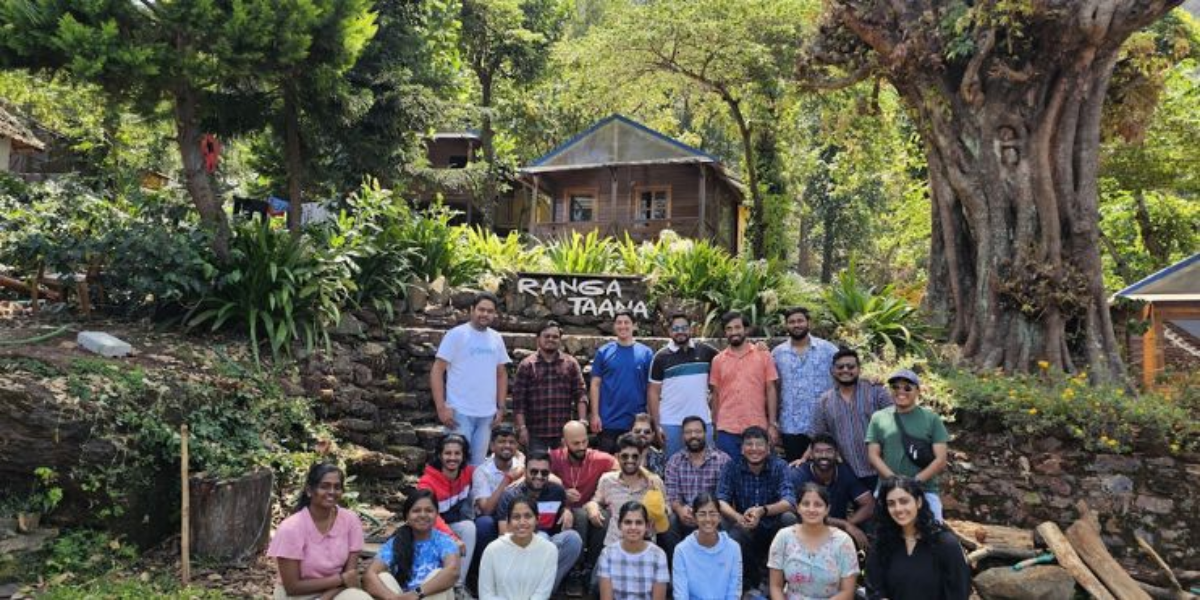
Halebidu is in Hassan district, while our Ranga Taana property is in Tarikere Taluk in Chikmagalur district. We therefore recommend treating Halebidu as a dedicated heritage stop rather than describing our property as accommodation beside the temple.
If your Karnataka itinerary continues towards Kemmangundi and the Chikmagalur region after Belur and Halebidu, you can make Ranga Taana the next base for the nature-focused part of your trip.
Continue From Hoysala Heritage to Kemmangundi’s Hills
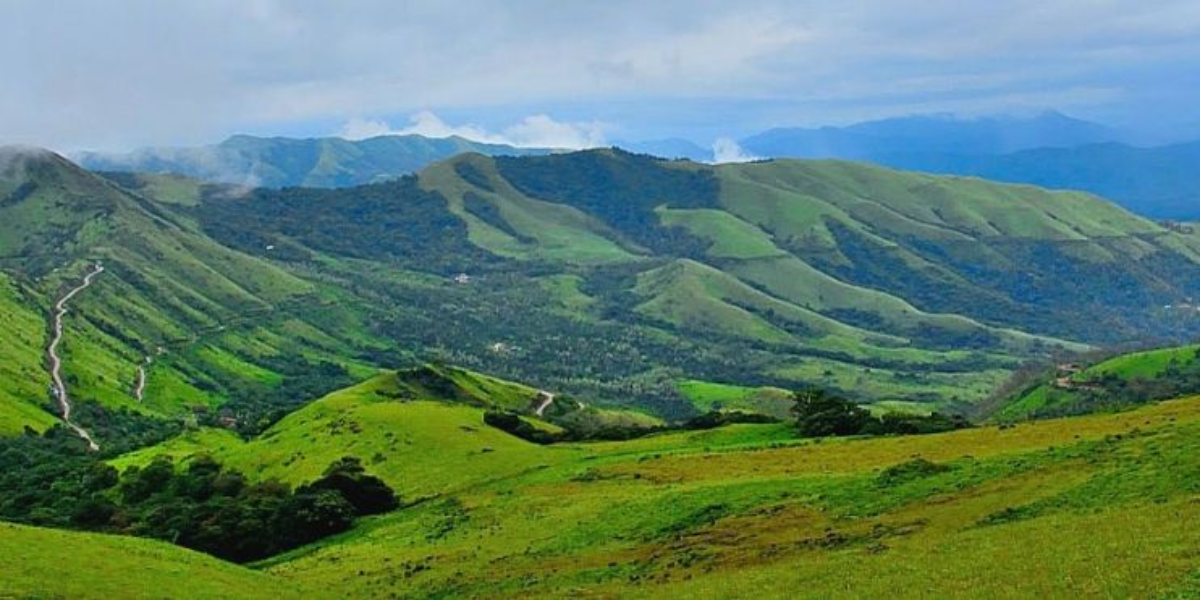
After a day focused on stone architecture and history, the next part of your trip can shift towards coffee-estate surroundings, waterfalls, and hill landscapes.
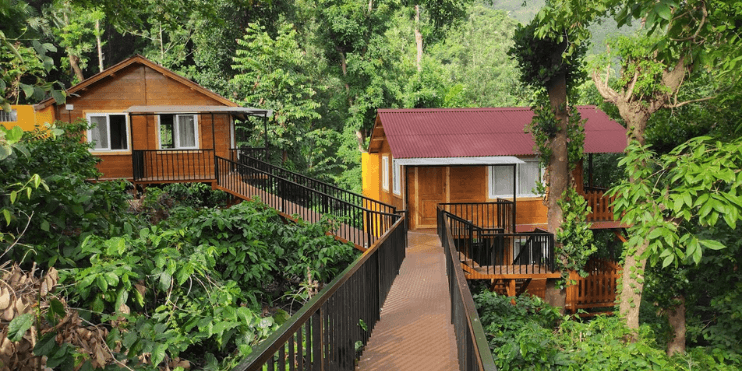
At Ranga Taana, our current accommodation includes wooden cottages, deluxe cottages and traditional cottages within our Chikmagalur setting.
Discover Halebidu Beyond a Quick Temple Stop
The Halebidu Hoysala temples reward travellers who slow down.Begin with the Hoysaleswara Temple, follow its sculptural bands around the exterior, examine the twin-shrine arrangement and Nandi mandapas, then continue to Kedareshwara Temple, the Jain Basadis and the Archaeological Museum.
The 2023 UNESCO inscription has strengthened Halebidu’s global heritage significance, but the strongest reason to visit remains the experience of seeing Hoysala craftsmanship at close range.
If your journey continues from Hassan district into Chikmagalur, you can then shift from heritage exploration to the hill and nature experiences around Kemmangundi with us at Ranga Taana.
Frequently Asked Questions
Why is Halebidu famous?
Halebidu is famous for its Hoysala temples, particularly Hoysalesvara Temple, and for having served as a capital of the Hoysala dynasty. Its temples are recognized for extensive stone sculpture, narrative friezes, and distinctive Hoysala architectural forms.
Is Hoysaleswara Temple a UNESCO World Heritage Site?
Yes. Hoysaleswara Temple at Halebidu was inscribed on the UNESCO World Heritage List in 2023 as one of the three components of the Sacred Ensembles of the Hoysalas.
Which temples should I visit in Halebidu?
The main Halebidu temples to prioritise are Hoysaleswara Temple and Kedareshwara Temple. You can also visit the Jain Basadis and the Archaeological Museum.
What is special about Hoysaleswara Temple architecture?
The Hoysaleswara Temple architecture is known for its twin-shrine plan, projecting and stellate forms, circumambulatory platform, sculptural galleries, narrative friezes and densely carved surfaces.
Are Belur and Halebidu the same place?
No. They are separate historic towns. Halebidu lies approximately 17 km from Belur, but both contain major Hoysala temples and are commonly visited together.
Can Belur and Halebidu be covered in one day?
Yes. A well-planned heritage day can include Belur in the morning and Halebidu in the afternoon. Avoid adding too many distant attractions because both temple complexes deserve time for walking and examining the carvings.
What is the best time to visit Halebidu?
October to March is the general best time to visit Halebidu for comfortable heritage sightseeing.
How far is Halebidu from Hassan?
Hassan district tourism places Halebidu approximately 30 km from Hassan. Regular road transport is available from both Hassan and Belur.
Is Kedareshwara Temple part of the UNESCO World Heritage Site?
The UNESCO serial property specifically identifies Hoysalesvara Temple as the Halebidu component of the Sacred Ensembles of the Hoysalas. Kedareshwara Temple remains an important protected Hoysala monument in Halebidu’s wider historic landscape.
Is Halebidu worth visiting from Chikmagalur?
Yes, particularly if you are interested in architecture, history or temple heritage. Plan Belur and Halebidu as a dedicated heritage circuit instead of treating them as short stops between Chikmagalur’s hill attractions.