Planning your first trip to Kudremukh? This Kudremukh travel guide covers the best places to visit, trekking routes, forest permits, travel options, and important tips for exploring this beautiful part of Karnataka’s Western Ghats.
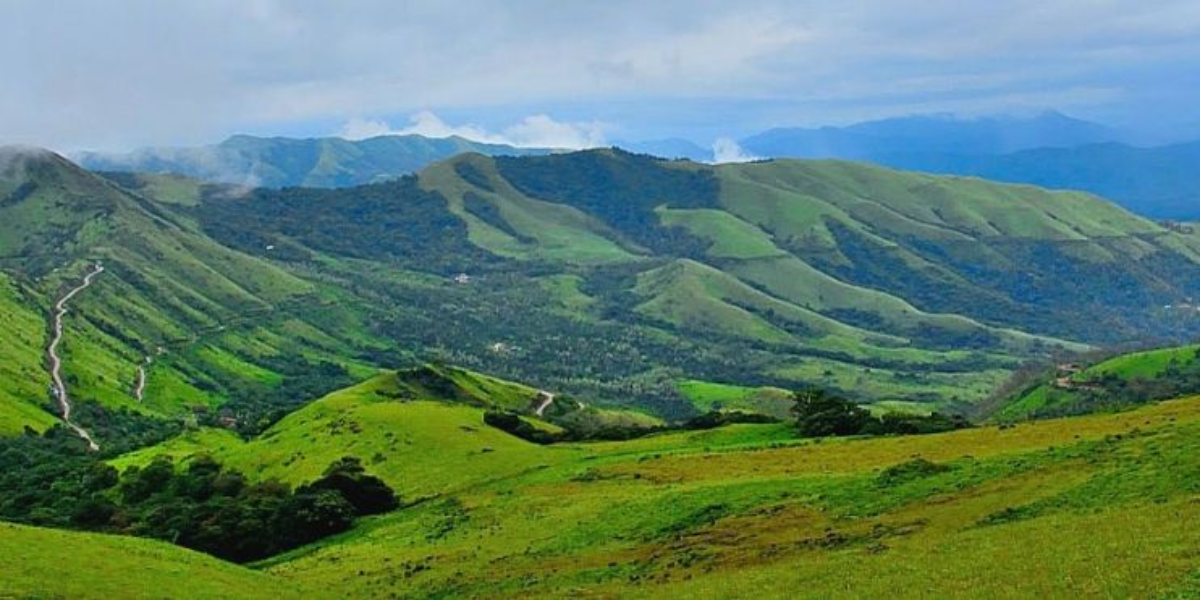
Known for its rolling green hills, dense shola forests, waterfalls, and the famous horse-shaped Kudremukh Peak, the region attracts trekkers, photographers, and nature lovers. However, visitors should understand the forest department’s entry rules, trekking conditions, and seasonal restrictions before planning their trip.
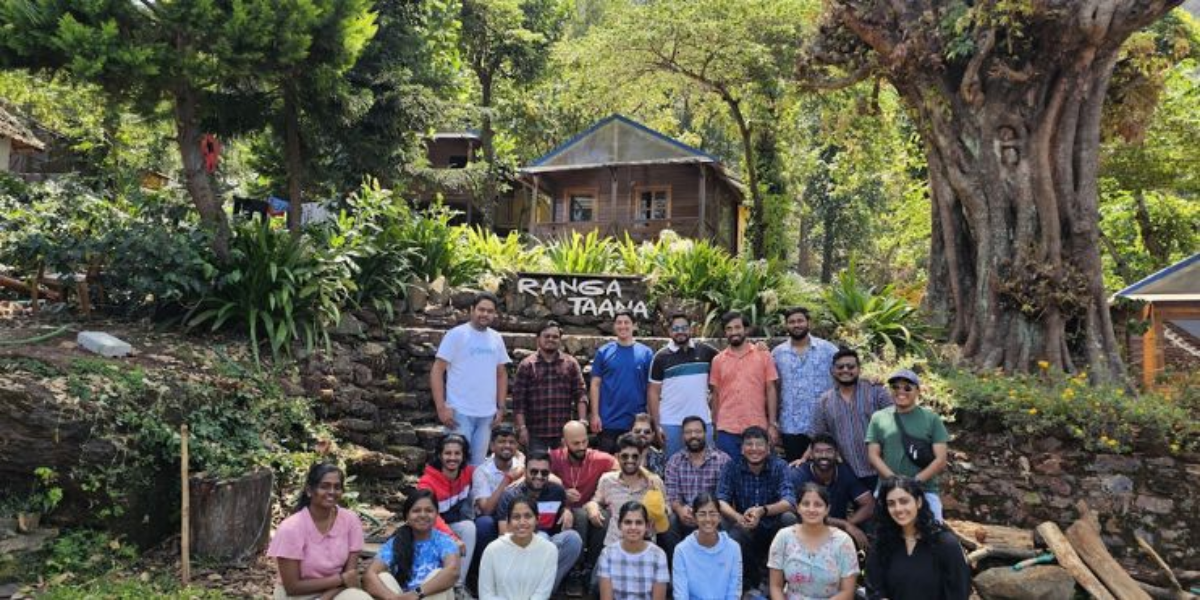
If you’re exploring the wider Chikmagalur region, you can also extend your holiday with a peaceful coffee estate stay at Ranga Taana Resort near Kemmangundi. This guide will help you plan your Kudremukh adventure while understanding the different destinations and experiences available in the region.
Kudremukh National Park at a Glance: Covering approximately 600.57 square kilometers, Kudremukh National Park protects an important section of Karnataka’s Western Ghats. Its evergreen forests, grasslands, streams, and mountain habitats support a wide variety of plants and wildlife. Visitors must follow forest department regulations because access to protected areas and trekking trails is controlled.
The park’s stated area is supported by official Government of India environmental documentation.
Best Places to Visit in Kudremukh and Nearby
Kudremukh has several scenic attractions worth exploring, from the famous Kudremukh Peak to waterfalls, forest landscapes, and places of cultural importance. Some attractions are located inside protected areas, while others require separate road journeys. Before visiting, check entry permissions, accessibility, and local weather conditions to plan a comfortable trip.
Kudremukh National Park: Forests, Grasslands, and Wildlife
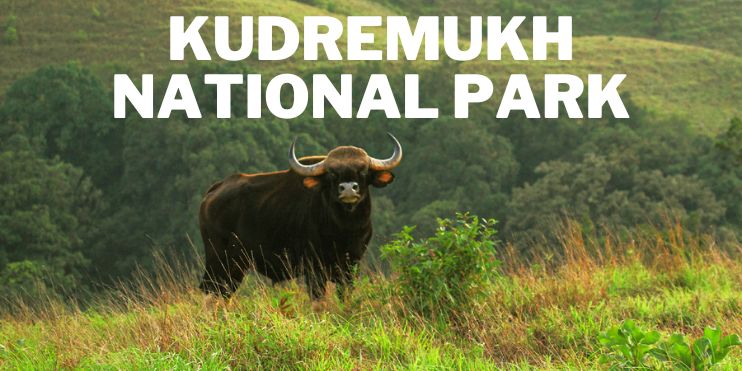
Kudremukh National Park is known for its evergreen forests, rolling grasslands, freshwater streams, and rich biodiversity. The protected landscape provides habitat for wildlife such as gaur, deer, several bird species, and large mammals that are rarely seen by visitors.
The park is an important destination for nature enthusiasts and trekkers exploring the Western Ghats. However, visitors cannot freely enter every forest trail or wildlife habitat. Trekking and other activities must follow approved routes, permit requirements, and forest department guidelines.
Kudremukh Peak: The Region’s Famous Trekking Destination
Kudremukh Peak is one of the best-known trekking destinations in Karnataka. Its name means “horse face” in Kannada, referring to the mountain’s distinctive shape when viewed from certain angles.
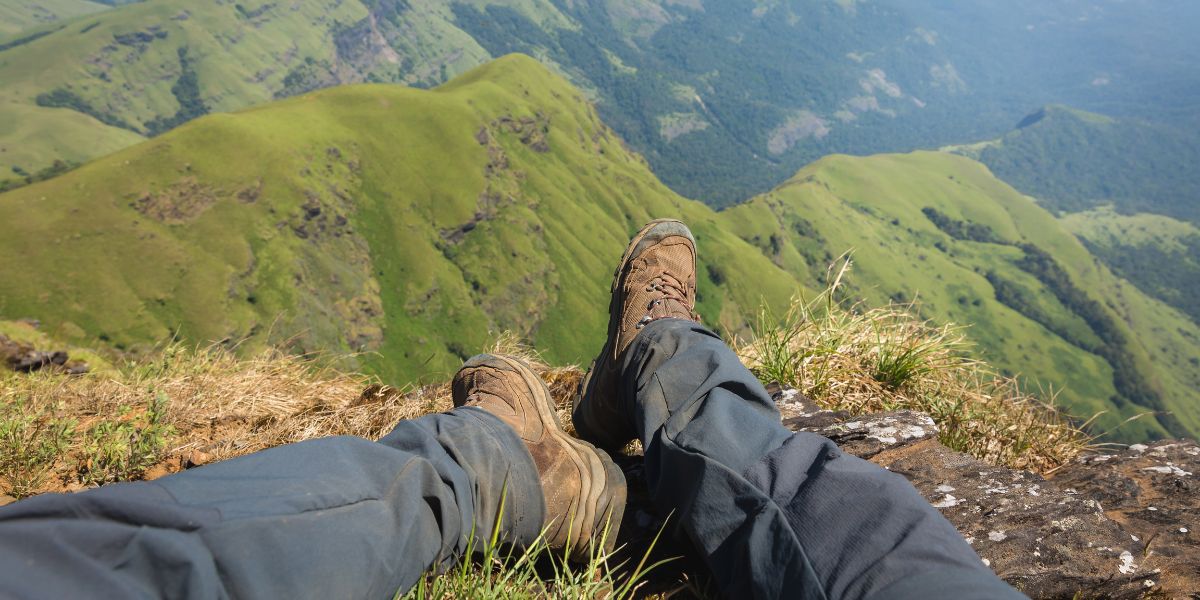
The Kudremukh trek covers approximately 20 kilometers round trip, beginning near Mullodi village. Trekkers pass through forest trails, streams, and open grasslands before reaching higher viewpoints across the Western Ghats.
The route is generally considered moderately difficult, but its length makes it physically demanding for some beginners. Plan for a full day, check the current forest department restrictions, and arrange your trekking permit before travelling.
Hanuman Gundi Falls: A Scenic Waterfall Near Kudremukh
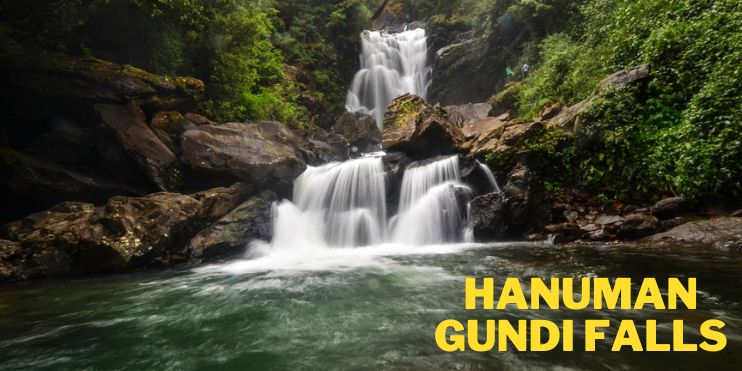
Hanuman Gundi Falls, also known as Suthanabbe Falls, is a popular natural attraction in the Kudremukh region. Surrounded by dense greenery, the waterfall flows over rocky slopes and offers beautiful views, especially after the monsoon season.
Visitors may need to descend several steps to reach the designated viewing area. Access conditions can change during periods of heavy rainfall, and entering the water may be restricted. Check the latest forest department instructions before visiting, and enjoy the scenery from permitted areas.
Lakya Dam: An Engineering Marvel amid Nature
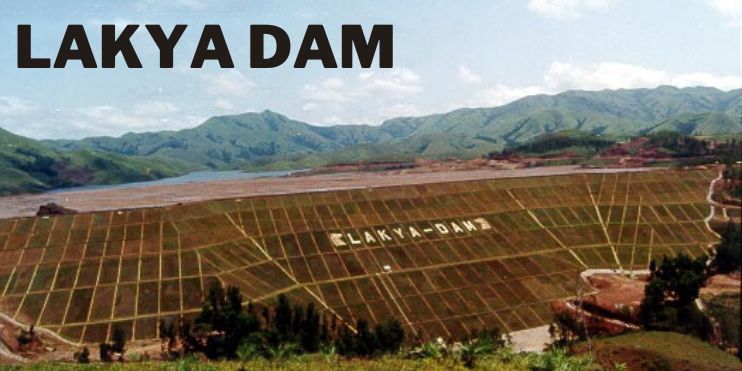
Lakya Dam is a large structure associated with Kudremukh’s former iron ore mining operations. The dam was constructed to contain tailings generated during mineral processing and is surrounded by the region’s forested hills.
Although the surrounding landscape offers scenic views, access to the dam area is regulated. Visitors should confirm whether permission is available before adding Lakya Dam to their itinerary. It should not be treated as an unrestricted picnic or recreational destination.
Gangamoola Hill: The Origin of Three Rivers
Gangamoola Hill, also known as Varaha Parvatha, is an important natural landmark in the Kudremukh region. The hill is associated with the origins of three major rivers: the Tunga, Bhadra, and Netravati.
Surrounded by dense Western Ghats forests, Gangamoola holds ecological and cultural significance. Since the area falls within a protected landscape, visitors should confirm the current access rules and obtain any required forest department permissions before planning a visit.
How to Reach Kudremukh From Bengaluru, Mangaluru, and Chikmagalur
Kudremukh is located in Karnataka’s Western Ghats and can be reached by road from several cities. Travellers planning the Kudremukh Peak trek typically use Kalasa as an access point before continuing toward Mullodi village.
By Road
Visitors travelling from Bengaluru can reach the Chikmagalur region through major road connections and continue toward Kalasa or Kudremukh according to their itinerary. Mangaluru also offers road access to the region.
Driving conditions can vary considerably during the monsoon, particularly along narrow mountain roads and ghat sections. Check the route and current road conditions before departure.
By Train
Travellers can consider railway connections to Mangaluru, Kadur, or other suitable stations based on their starting city. From the chosen railway station, arrange onward road transportation to Kalasa or the destination where you plan to stay.
By Air
Mangaluru International Airport is a practical option for many travellers visiting the Kudremukh region. From the airport, arrange road transportation to Kalasa or your chosen accommodation.
Reaching the Kudremukh Trek Starting Point
The Kudremukh Peak trekking route begins at Mullodi village. Visitors commonly travel toward Kalasa before arranging local jeep transportation to the starting area.
Confirm your permit, reporting location, transport arrangements, and available trekking slot before beginning the journey.
Kudremukh Trek: Route, Difficulty, and Essential Tips
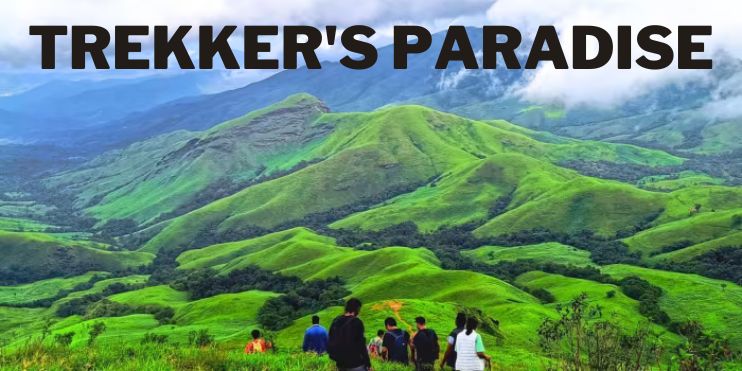
The Kudremukh trek takes visitors through a scenic combination of shola forests, mountain streams, open grasslands, and rolling hills. The most popular route begins at Mullodi village, which trekkers typically reach by local jeep from the Kalasa area.
The approximately 20-kilometer round-trip route is generally classified as moderate. However, the long walking distance, changing weather, and steep or slippery sections can make it challenging for first-time trekkers.
Most visitors should allow a full day for the trek. October to February is generally a favorable period for trekking, although forest restrictions, seasonal closures, and weather conditions can affect access throughout the year.
Wear trekking shoes with a good grip and carry sufficient drinking water, food, rain protection, essential medication, and a small first-aid kit. During wet conditions, leeches and slippery trails may require extra preparation. Follow the authorized trail and the instructions of forest staff or assigned guides.
Additional Pointers:
- Check Weather Conditions: Always check the weather forecast before setting out, as conditions can change rapidly in mountainous regions.
- Prepare for the Walking Distance: Kudremukh is a long, full-day trek that requires reasonable physical fitness. Beginners should build stamina through regular walking or shorter hikes before attempting the route. Take breaks when needed, stay hydrated, and avoid pushing beyond your fitness level.
- Respect Wildlife: Keep a safe distance from wildlife and avoid feeding animals to maintain the ecological balance.
- Leave No Trace: Be mindful of your environmental impact. Pack out all trash and stay on designated trails to minimize your footprint.
- Emergency Contacts: Have local emergency contacts on hand and carry a fully charged mobile phone with network coverage, if possible.
Local Food, Culture, and Nature Experiences Around Kudremukh
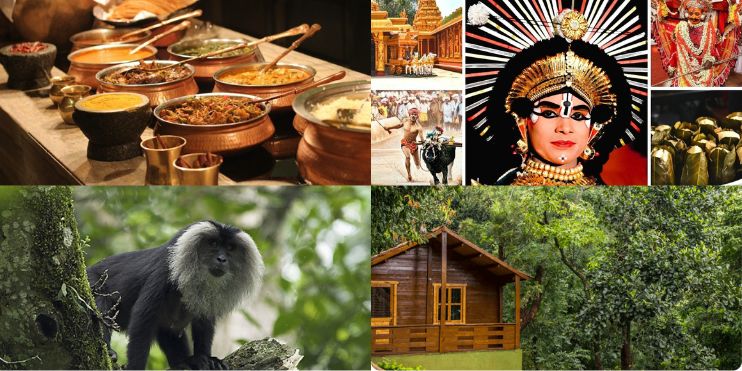
Traditional Malnad Food to Try During Your Kudremukh Trip
A trip to Kudremukh is a good opportunity to experience traditional Malnad cuisine. Local meals often feature regional ingredients, rice-based dishes, fresh coconut, and flavorful curries.
Popular foods to try include akki rotti, kadubu, traditional rice dishes, and seasonal local preparations. Travellers can explore small eateries around Kalasa and other nearby towns to experience the region’s food traditions.
If your holiday extends to Kemmangundi, you can also enjoy home-cooked Malnad meals during your stay at Ranga Taana Resort.
Cultural Insights and Historical Richness
The towns and villages surrounding Kudremukh offer opportunities to experience the cultural traditions of Karnataka’s Malnad region.
Kalasa is known for the Kalaseshwara Temple, while Horanadu attracts visitors to the Annapoorneshwari Temple. Both destinations offer an opportunity to explore local religious traditions, regional architecture, and everyday life in the Western Ghats.
Travellers interested in local culture can also explore traditional food, seasonal celebrations, and village markets while respecting local customs and temple guidelines.
Wildlife Spotting Opportunities
Kudremukh National Park supports a wide variety of wildlife, including gaur, deer, birds, and several species associated with the Western Ghats. Tigers and leopards also inhabit the protected landscape, although sightings are rare and should never be expected during a regular visit.
Birdwatching and nature photography are rewarding activities from approved trails and viewing areas. Visitors should avoid disturbing animals, making excessive noise, or leaving designated routes in search of wildlife.
Photography Tips and Scenic Spots
Kudremukh offers excellent opportunities for landscape photography, particularly across its green hills, shola grasslands, mist-covered valleys, and waterfalls.
The Kudremukh Peak trek provides sweeping mountain views, while Hanuman Gundi Falls offers opportunities to photograph flowing water and forest scenery from permitted areas.
Post-monsoon conditions often bring green landscapes and dramatic cloud formations. Carry weather protection for your camera, avoid stepping off approved trails for photographs, and follow the visiting hours set by the forest department.
Outdoor Adventures and Nature Activities Near Kudremukh
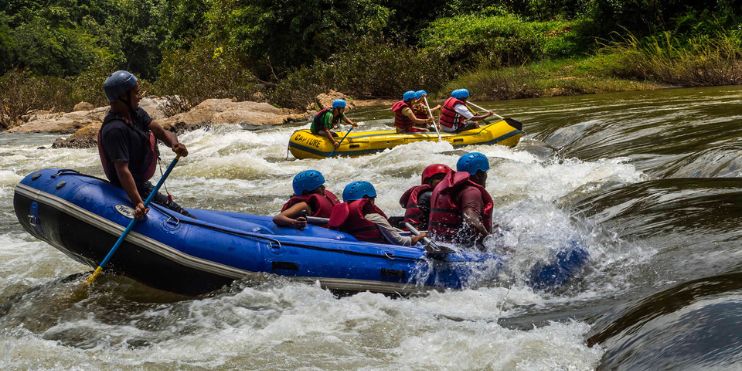
Trekking is one of the main outdoor experiences in Kudremukh, but visitors can also enjoy scenic drives, nature photography, birdwatching, and visits to accessible waterfalls and nearby towns.
The surrounding Western Ghats region offers opportunities to appreciate forests, hills, and coffee-growing landscapes. However, activities inside Kudremukh National Park must follow forest department restrictions, and some areas may be temporarily closed for safety or conservation reasons.
Visitors looking for additional outdoor activities can explore approved nature walks and sightseeing experiences in the wider Chikmagalur region.
Diverse Accommodation Options
Accommodation options around Kudremukh include homestays, guesthouses, and small properties in nearby towns and villages.
Travellers planning an early morning Kudremukh trek may prefer accommodation around Kalasa or the Mullodi access area to reduce travel before reaching the trailhead.
If your itinerary includes Kemmangundi and other Chikmagalur attractions, Ranga Taana Resort offers a separate coffee estate experience with wooden cottages and nature-based activities. Check the driving distance between your accommodation and each attraction before finalizing your travel plans.
A Practical 2-Day Kudremukh Itinerary for First-Time Visitors
A two-day Kudremukh trip works best when the trekking day is planned separately from sightseeing and travel. Visitors should also account for accommodation location, permit availability, and the time needed to reach Mullodi.
Day 1: Arrive Near Kudremukh and Explore the Surroundings
Travel toward Kalasa and check into accommodation suitable for your planned activities. Depending on your arrival time, you may explore Kalasa town, visit the Kalaseshwara Temple, enjoy local food, or spend time appreciating the surrounding scenery.
Before the evening, confirm your Kudremukh trekking permit, local jeep arrangements, weather conditions, and reporting instructions.
Plan an early night, as the trek requires a full day of walking.
Day 2: Complete the Kudremukh Peak Trek
Begin the day according to your assigned forest department reporting time. Arrange transportation to Mullodi and follow the approved trekking route with the required guidance.
The trek passes through forests, streams, and grasslands before reaching higher mountain viewpoints. Carry the necessary supplies and allow enough time to return before the permitted exit deadline.
After completing the trek, return to your accommodation or continue your onward journey if travel conditions allow.
Travel tip: This itinerary is designed for visitors staying near the Kudremukh trekking area. Travellers also planning to visit Kemmangundi or stay at Ranga Taana Resort should allow additional time for that separate part of the trip.
Planning Your Visit to Kudremukh
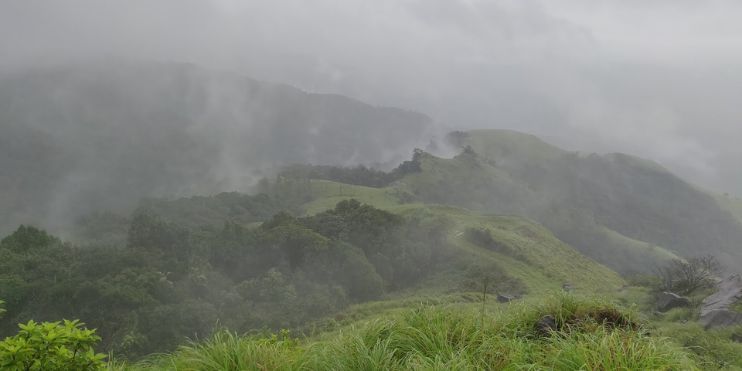
A visit to Kudremukh National Park offers a gateway to one of the most untouched and serene landscapes in Karnataka. To ensure your trip is both memorable and respectful to the natural environment, here’s a detailed guide for optimal planning:
1. Best Time to Visit Kudremukh
October to February is generally one of the best periods to visit Kudremukh, particularly for travellers interested in trekking and landscape photography. After the monsoon, the hills are green, the streams are replenished, and the weather is often comfortable for outdoor activities.
March to May can bring warmer conditions, while the monsoon months experience heavy rainfall, mist, slippery trails, and reduced visibility.
Trekking availability is not determined by the season alone. The forest department may restrict or reopen routes based on weather, wildlife movement, fire risk, and conservation requirements. Always check the current permit availability and forest notices before travelling.
The conditional wording is important because Karnataka introduced updated trekking safety procedures in August 2026, with route-by-route access controls.
2. Understanding Local Customs:
Cultural sensitivity is key when visiting Kudremukh. Dress modestly as a sign of respect towards the local communities. Be proactive about waste management by disposing of garbage correctly and using eco-friendly materials whenever possible. Keep noise levels to a minimum to preserve the peace of natural settings and respect the wildlife inhabiting the area.
3. Organizing Your Kudremukh Sightseeing and Trekking Plans
Plan your Kudremukh trip according to the activities you want to experience. If the Kudremukh Peak trek is your main priority, reserve a full day for the trail and stay near the designated starting area whenever possible.
Travelers interested in sightseeing can plan separate visits to accessible waterfalls, Kalasa, Horanadu, and other nearby destinations. Do not assume that all attractions can be covered on the same day, as driving distances and forest entry restrictions vary.
If you are also staying near Kemmangundi, consider adding separate days to explore that part of Chikmagalur rather than combining both regions into a rushed itinerary.
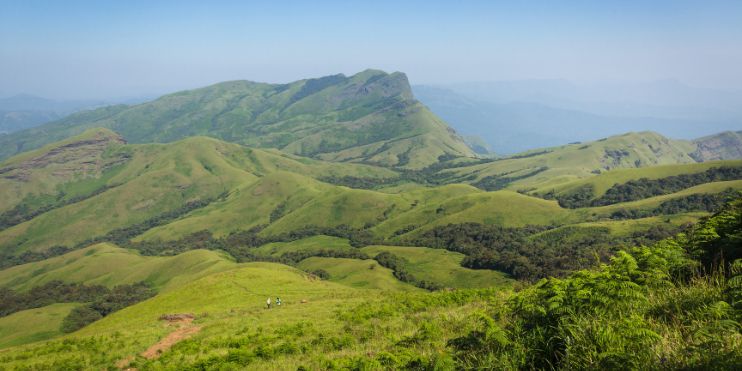
4. Kudremukh Trek Permits and Forest Entry Rules
Visitors planning the Kudremukh Peak trek must obtain permission from the Karnataka Forest Department. Trekking reservations are managed through the official Aranya Vihaara booking portal.
The portal allows travellers to check approved trekking routes, available dates, and booking conditions. Bookings are subject to daily visitor limits, and access may change because of weather conditions or forest department restrictions.
As of the July 2026 booking update, reservations can be made between one and 30 days in advance. Trekkers must carry the original identification document used during booking and report according to their assigned slot instructions.
Before visiting, confirm the latest permit availability, entry requirements, and trekking rules directly through the official portal. Do not attempt to enter the protected area through unauthorized routes.
5. Leave No Trace:
Embrace the principles of ‘Leave No Trace’ to minimize your environmental footprint. This includes staying on designated trails, avoiding disturbance to plants and wildlife, and carrying out all trash. Such practices are essential for preserving the delicate ecological balance of the park and ensuring that it remains a pristine environment for future visitors.
6. Local Guides:
Local trekking guides can help visitors understand Kudremukh’s natural environment and follow approved forest routes. They may also provide guidance on trail conditions, safety requirements, and the region’s ecology.
When planning a regulated trek, follow the forest department’s current requirements for authorized guides or accompanying personnel. Never leave designated paths to explore unapproved locations, even when travelling with a local guide.
Keep the existing sections on Understanding Local Customs, Leave No Trace, Safety and Preparedness, and Connectivity and Emergencies. Their core advice is useful, so only minor proofreading is needed.
7. Safety and Preparedness:
Always check the weather forecast before setting out each day as mountainous regions can have rapid weather changes. Equip yourself with the right gear, including sturdy hiking boots, rain protection, and a well-stocked first aid kit. If you’re venturing into remote areas, inform someone of your plans and expected return time.
8. Connectivity and Emergencies:
While the serene disconnect of Kudremukh is a key allure, ensure you have means to communicate in case of an emergency. Some areas may have limited mobile network coverage, so plan accordingly, and always have local emergency numbers and a charged phone with you.
By following these detailed tips, you can ensure that your visit to Kudremukh is not only enjoyable but also contributes positively to the conservation efforts and local community.
Extend Your Chikmagalur Trip With a Stay at Ranga Taana Resort
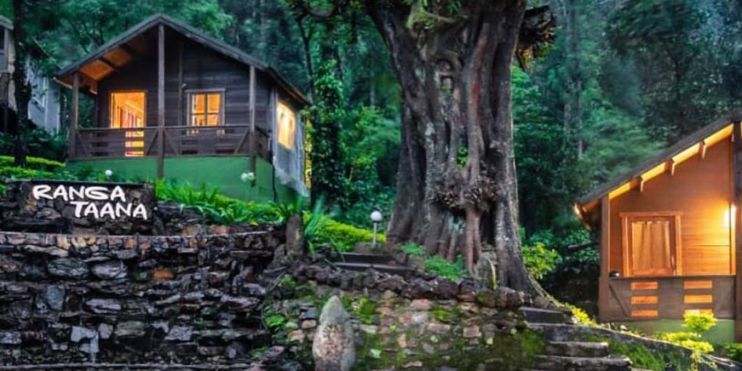
Located near Kemmangundi in the Chikmagalur region, Ranga Taana Resort offers a peaceful coffee estate stay surrounded by the natural beauty of the Western Ghats.
Our resort is an option for travellers who want to extend their Karnataka holiday beyond the Kudremukh region. Guests can enjoy wooden cottages, traditional Malnad cuisine, scenic estate surroundings, and outdoor activities near Kemmangundi.
Since Ranga Taana is located separately from the Kudremukh trekking area, we recommend checking travel distances and planning the two destinations as distinct parts of a longer Chikmagalur trip.
Nature Walks and Outdoor Experiences Near Kemmangundi
At Ranga Taana, we welcome guests who enjoy spending time outdoors and exploring the natural surroundings of Chikmagalur.
Our resort activities include nature walks, experiences around the coffee estate, and opportunities to explore nearby waterfalls and Kemmangundi’s scenic hills.
Guests can enjoy the peaceful surroundings of our property while planning suitable sightseeing activities based on the weather, accessibility, and local travel conditions.
Relax in Comfortable Wooden Cottages
After exploring the scenic attractions around Kemmangundi, return to the peaceful surroundings of our resort in Chikmagalur.
Our wooden cottages offer a comfortable place to rest, with a natural setting that complements the surrounding coffee estate. Guests can relax, enjoy the fresh mountain air, and spend time away from busy city routines.
Enjoy Traditional Food and a Peaceful Estate Stay
At Ranga Taana, we focus on creating a comfortable stay surrounded by Chikmagalur’s coffee-growing landscape.
Guests can experience our wooden cottages, enjoy home-cooked Malnad cuisine, and spend time exploring the greenery around our estate. Our setting is suitable for families, couples, and groups looking for a relaxed holiday near Kemmangundi.
For travellers planning sightseeing or nature activities, we recommend checking available experiences and local conditions before finalizing their stay.
Respecting the Natural Beauty of the Western Ghats
The Western Ghats are home to sensitive forest environments, wildlife habitats, and communities with long-standing cultural traditions.
At Ranga Taana, we encourage our guests to respect the natural surroundings during their visit. Following designated walking routes, avoiding litter, respecting local communities, and observing forest regulations are practical ways to travel responsibly.
These habits help protect the landscapes that make Chikmagalur and its surrounding hills special.
Why Choose Ranga Taana?
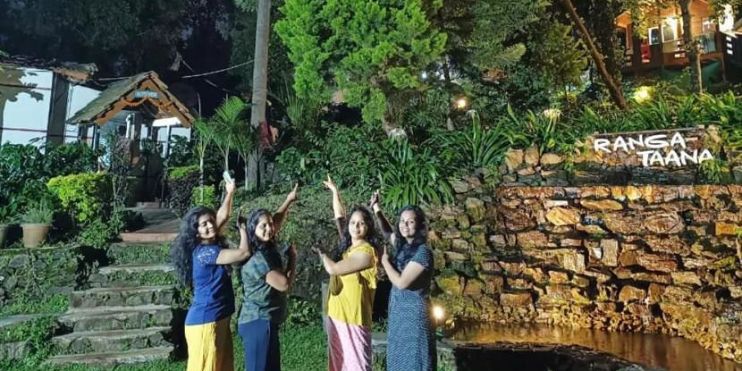
At Ranga Taana, we offer a nature-focused stay near Kemmangundi, surrounded by coffee plantations and scenic hills. Guests can enjoy comfortable wooden cottages, regional meals, peaceful estate surroundings, and access to experiences in the wider Chikmagalur area.
If your travel plans include Kudremukh and Kemmangundi, we recommend allowing enough time to explore each destination separately.
Explore our resort in Kemmangundi and contact our team to check accommodation availability for your Chikmagalur holiday.
Conclusion
Kudremukh is a rewarding destination for travellers interested in trekking, waterfalls, wildlife, and the natural beauty of Karnataka’s Western Ghats. For a comfortable trip, choose the right season, confirm forest permits, prepare for the trekking conditions, and allow sufficient time to explore nearby attractions.
If you are planning a longer holiday across Chikmagalur, consider including Kemmangundi in your itinerary. At Ranga Taana Resort, we welcome guests looking for a peaceful stay with wooden cottages, home-cooked Malnad cuisine, and scenic estate surroundings.
Explore our accommodation options and contact Ranga Taana to plan the Kemmangundi part of your Chikmagalur holiday.
Frequently Asked Questions
1. Is a Permit Required for the Kudremukh Trek?
Yes. Visitors planning the Kudremukh Peak trek must obtain the required permission from the Karnataka Forest Department. Bookings are managed through the official Aranya Vihaara portal, subject to available slots and current regulations.
2. How Difficult Is the Kudremukh Trek for Beginners?
The Kudremukh trek is generally classified as moderate, but its approximately 20-kilometer round-trip distance requires reasonable fitness and stamina. Beginners should prepare for a long walking day, changing weather, and potentially slippery sections.
3. What Is the Best Time to Visit Kudremukh?
October to February is generally a favorable time to visit Kudremukh, particularly for trekking and sightseeing. However, visitors should check weather forecasts and forest department notices because trekking availability can change throughout the year.
4. How Long Does the Kudremukh Trek Take?
The Kudremukh trek is typically completed as a full-day activity. The actual walking time depends on fitness, trail conditions, weather, group pace, and the time limits specified by forest authorities.
5. Can You Visit Kudremukh Without Trekking?
Yes. Visitors can explore accessible destinations around Kudremukh, including nearby towns, scenic landscapes, and permitted waterfall viewing areas. Entry to protected forest areas and specific attractions may require separate permissions.
6. Is Ranga Taana Resort Located Near the Kudremukh Trek Starting Point?
Ranga Taana Resort is located near Kemmangundi in the Chikmagalur region, rather than at the Kudremukh trailhead. Travellers can consider it for a separate Kemmangundi stay during a longer Chikmagalur holiday, while arranging accommodation closer to Mullodi or Kalasa for an early Kudremukh trek.