Nestled in the Western Ghats of Karnataka, Kemmanagundi is one of those rare places that seem like nature’s best-kept secret. No wonder people return here for its cool breezes, misty mornings, lush greenery, and the sound of waterfalls.
But the deal is this: This place is beautiful year-round, but the experience you have really depends on when you come. If you are looking for adventure hikes, peaceful mornings with a cup of coffee, or chasing monsoon waterfalls, this weather guide will help you plan your trip.
So let’s dive in and find out the best time to visit Kemmanagundi for you!
Where is Kemmanagundi located?
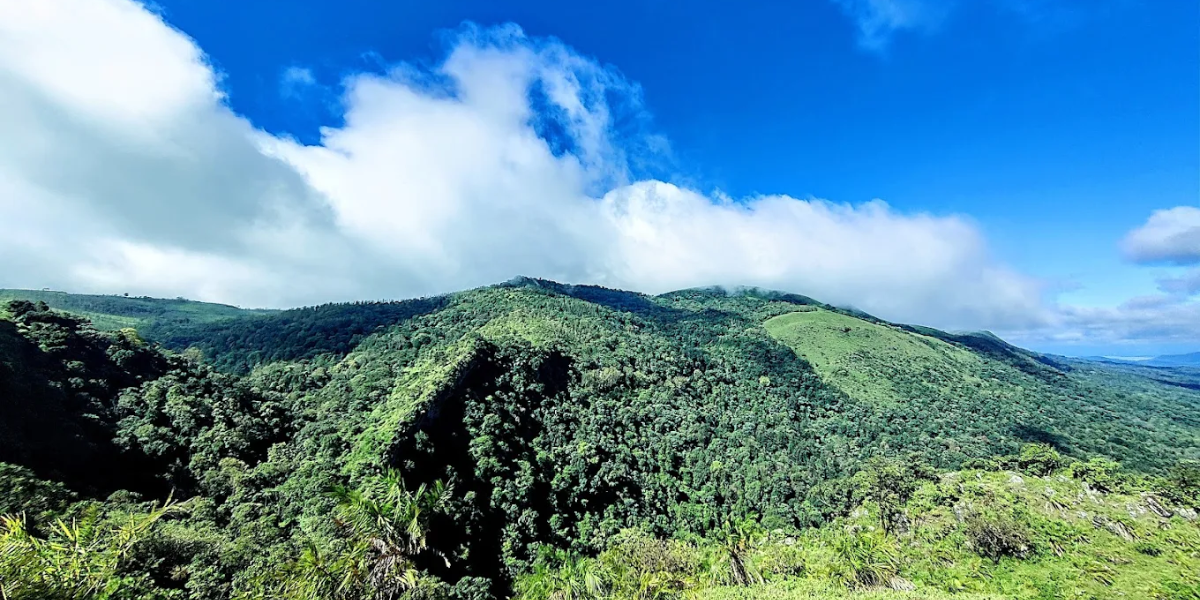
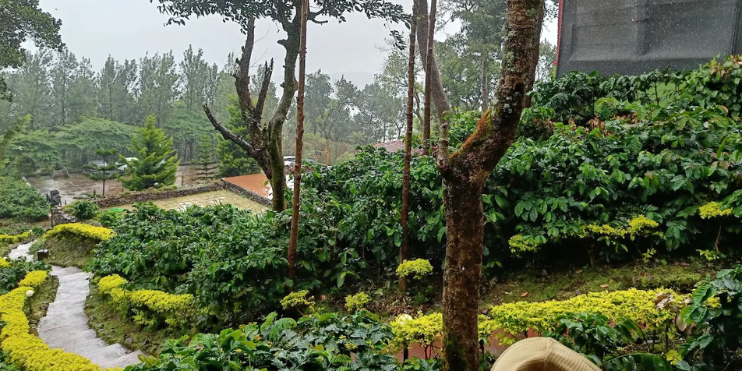
Kemmanagundi (also called K.R. Hills) is located in the Chikkamagaluru district of Karnataka, sitting at an altitude of about 1,434 meters above sea level. It’s part of the Bhadra Wildlife Reserve, which is surrounded by thick forests, coffee plantations, and rolling hills.
It’s around 265 km from Bengaluru, making it a perfect weekend getaway from the city.
What Makes Kemmanagundi a Popular Hill Station Destination?
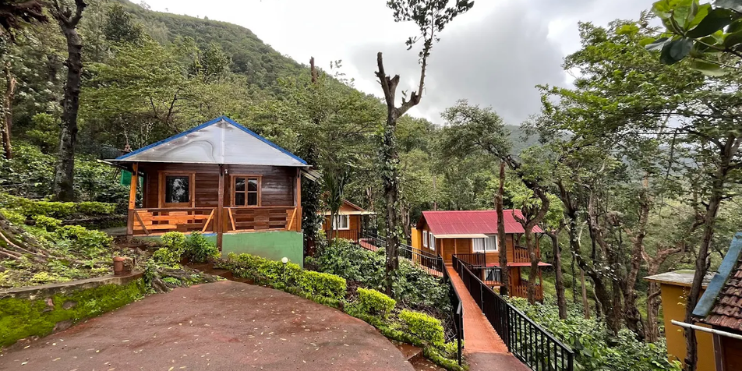
- Breathtaking viewpoints like Hebbe Falls and Raj Bhavan Gardens
- Cool, refreshing climate all year
- Untouched nature with very little commercial crowd
- Great for trekking, photography, and birdwatching
- Peaceful vibes that help you truly disconnect
Did You Know? Kemmanagundi was once the summer retreat of the Mysore Maharajas! The Raj Bhavan (King’s Cottage) here is a heritage property that remains a reminder of royal history.
Complete Monthly Weather Guide with Temperature Insights
Complete Monthly Weather Guide with Temperature Insights
| Month | Avg. Temperature | Things to Enjoy |
|---|---|---|
| January | 10°C – 20°C | Nature walks, gardens, misty mornings |
| February | 12°C – 22°C | Trekking, birdwatching, sightseeing |
| March | 15°C – 25°C | Viewpoints, sunrise treks |
| April | 18°C – 28°C | Early morning hikes, local food |
| May | 20°C – 30°C | Waterfalls begin, cooler evenings |
| June | 18°C – 25°C | Lush greenery, Hebbe Falls fills up |
| July | 15°C – 22°C | Dramatic waterfalls, misty forests |
| August | 14°C – 21°C | Peak monsoon beauty, scenic drives |
| September | 15°C – 23°C | Green landscapes, fewer crowds |
| October | 13°C – 22°C | Pleasant weather, Dussehra festivities |
| November | 11°C – 20°C | Clear skies, ideal trekking season |
| December | 10°C – 18°C | Cold mornings, cozy staycation vibes |
Kemmanagundi in Summer (March to June)
Summers in Kemmanagundi are much more pleasant than in the plains. Temperatures range from 15°C to 30°C. Days can get warm, but evenings and nights remain comfortably cool thanks to the altitude.
Is Summer a Good Time to Visit Kemmanagundi?
Yes! If you don’t mind slightly warmer afternoons, summer is actually a great time to visit. The trails are accessible, the viewpoints are clear, and there are fewer tourists around.
Best Activities to Enjoy in Summer
- Sunrise trek to Kemmangundi peak
- Visiting Raj Bhavan and its manicured gardens
- Photography at Hebbe Falls (water levels are moderate)
- Birdwatching in the Bhadra Wildlife Reserve area
- Exploring local coffee estates
Travel Tips for Summer Visitors
- Bring sunscreen and a light jacket for the evenings.
- Leave early in the morning to avoid the heat of the afternoon.
- Drink plenty of fluids, and always carry a water bottle.
- Plan your Kemmanagundi trip in advance during the long weekends in April and May.
Kemmanagundi in Monsoon (July to August)
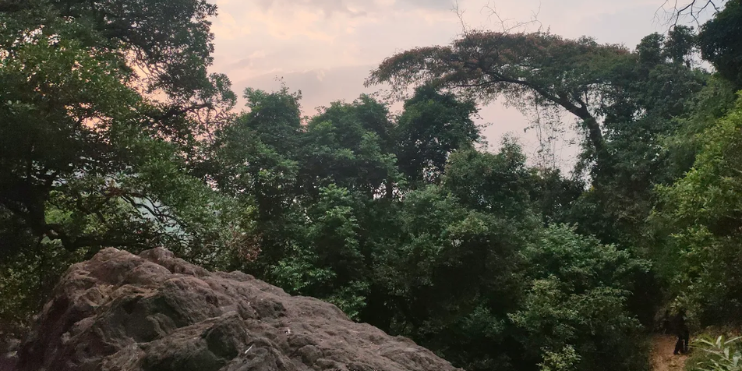
Pros and Cons of Visiting in the Rainy Season
Pros:
- Hebbe Falls and Kalhatti Falls are at their most spectacular
- Very few tourists, almost private access to nature
- Lush forests and vibrant greenery everywhere
- Great for photography and nature lovers
Cons:
- Some trekking trails can be slippery and risky
- Roads may get blocked during heavy rains.
- Leeches are common on forest trails.
Waterfalls and Scenic Beauty During Monsoon
Hebbe Falls is the star of Kemmanagundi in the monsoon season. In July and August the twin falls thunder down 168 meters in full glory. The mist, the roar, and the greenery surrounding it are totally unforgettable.
Fun Fact: Hebbe Falls is one of the few waterfalls in Karnataka where you can take a jeep safari ride right up to the falls, a 14 km off-road adventure!
Safety Tips for Monsoon Travel
- Never go for solo treks. Always go with a guide or group.
- Wear suitable waterproof grip footwear.
- Check road conditions.
- Tell your accommodation about your trekking plans
Kemmanagundi in Winter (September to February)
Ask anyone, and they’ll tell you the best time to visit Kemmanagundi is between September and February. The rains have cleared, the greenery is still lush, and the Kemmanagundi weather is crisp and refreshing. It’s the ideal place where everything functions smoothly.
Temperature and weather guide in Winter
In December and January the temperature can fall to 10°C. Cool enough for a warm jacket, have a cup of hot tea. Misty mornings are frequent. The views are totally stunning and the skies are usually clear.
Ideal Activities to Enjoy in Winter
- Trekking to Z-Point for panoramic sunrise views
- Visiting the Raj Bhavan rose garden when the flowers bloom.
- Nature walks along the forest trails.
- Birdwatching (winter is peak birding season here)
- Campfire evenings with family or friends
Why Winter is Perfect for a Peaceful Staycation
The cool weather, calm surroundings, and beautiful mornings make winter ideal for a quiet retreat. A cozy Kemmanagundi stay surrounded by nature, with nothing but the sounds of birds and wind, it’s exactly the reset your mind needs.
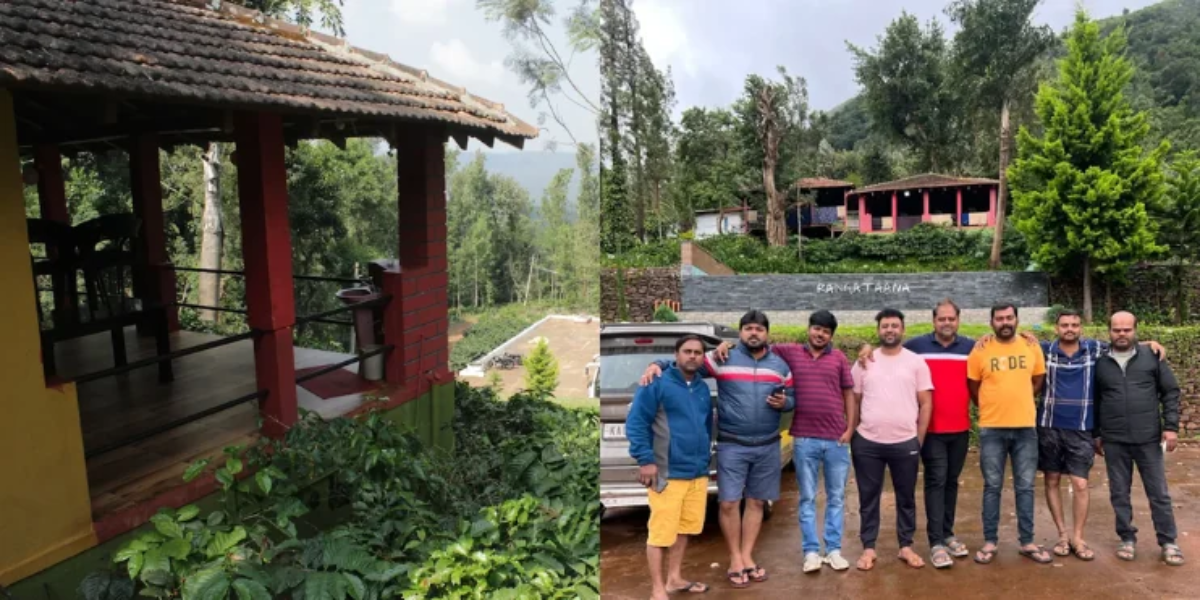
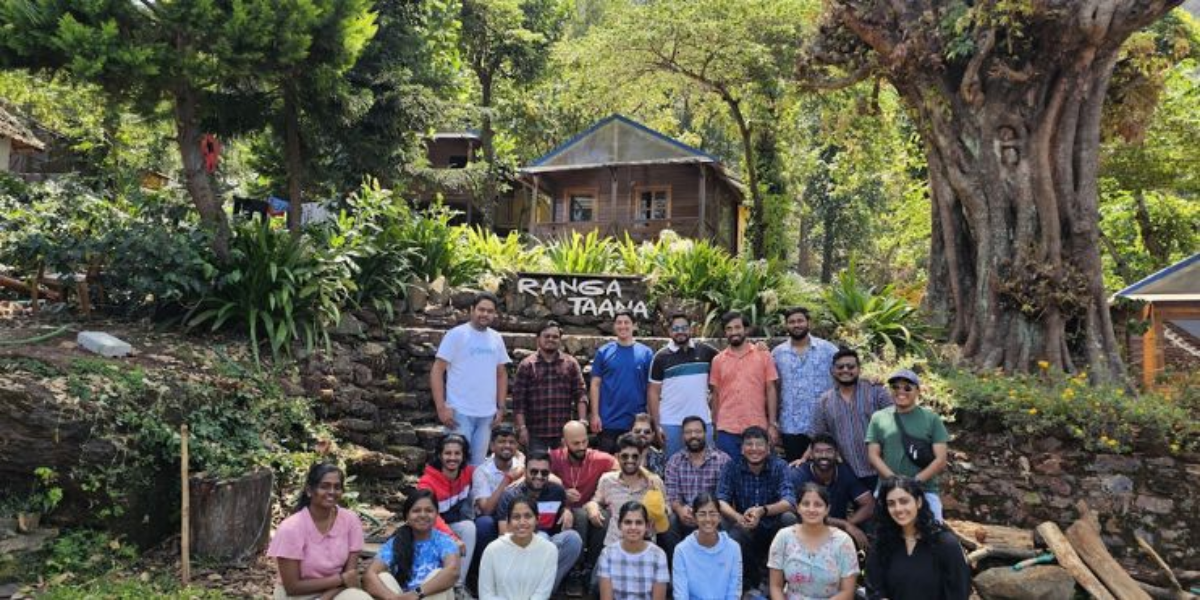
Places like Ranga Taana offer exactly this kind of peaceful, nature-immersed experience, making winter stays in Kemmanagundi truly special.
When is the Best Time to Visit Kemmanagundi?
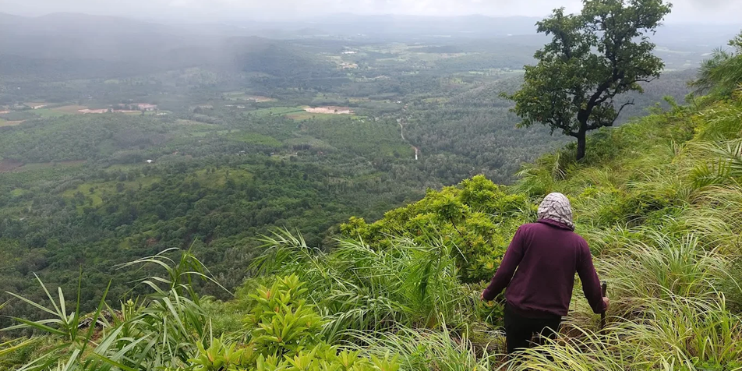
Which Season Offers the Best Experience?
The best time to visit Kemmanagundi overall is from October to February. The Kemmanagundi weather during this period is cool, clear, and comfortable. You get the best views, best trekking conditions, and the most pleasant days overall.
The monsoon season (July to August) is best for waterfall lovers and photography enthusiasts. Summer is great for those who want fewer crowds and clear trails.
Best Time to Visit Kemmanagundi for Sightseeing and Relaxation
October to January is the clear winner for sightseeing and leisurely exploration. On clear days the views are spectacular and the weather is perfect for a leisurely walk through the gardens and trails.
When Should You Avoid Visiting Kemmanagundi?
Mid-monsoon (July to mid-August) can be tricky with road landslides and heavy rain disrupting travel plans. If you don’t like sudden rain and slippery trails, you’ll want to wait until September.
Tourist Crowd and Best Time for a Peaceful Visit
When Does Kemmanagundi Get Crowded?
Kemmanagundi sees the most visitors in December and January, as well as during long weekends in October and November. School vacation periods in May also bring families up for a getaway.
Best Months for a Quiet and Relaxing Trip
February, March and September are the hidden gems for a peaceful visit. The weather continues to be pleasant at Kemmanagundi but the crowds of tourists have thinned out. You have the viewpoints and trails virtually to yourself.
Weekday vs Weekend Travel Experience
Weekdays are noticeably quieter than weekends, especially at popular spots like Hebbe Falls and Z-Point. If you can travel on Tuesday or Wednesday, you will have a much more relaxed and uncrowded experience.
Local Festivals and Cultural Experiences Near Kemmanagundi
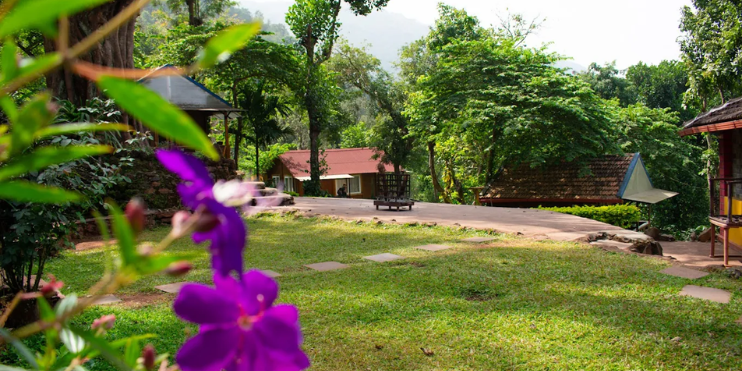
Popular Festivals You Can Experience
Visiting during a local festival adds so much warmth and color to your trip. Here’s what to look for:
- Dussehra (Dasara), in October, Karnataka’s grandest festival is celebrated with vibrant processions, cultural performances, and electric energy across towns near Kemmanagundi. The nearby Chikkamagaluru town puts up a lovely celebration.
- Deepavali, October/November: Traditional rituals, clay lamps lighting up every home, festive food, and a genuine sense of community joy.
- Makara Sankranti, January 14 A harvest festival celebrated with local customs, traditional food, and village-level bonhomie. The rural life around Kemmanagundi comes alive beautifully.
- Ugadi, March/April: The Kannada New Year brings fresh flavors , Bevu Bella (neem and jaggery) and traditional dishes are served, and the whole region feels festive.
Best Time to Visit for Cultural Experiences
- October to January: Kemmanagundi major festivals & best weather for
- Monsoon season: Witness the beauty of rural life and lush greenery
- Festive times: local people take part in an immersive cultural experience
Best Food to Try in Kemmanagundi by Season
Comfort Foods to Enjoy in Winter
Cold mornings in Kemmanagundi call for hearty, warming food.
Look for:
- Akki Rotti (rice flatbread) with coconut chutney
- Hot Ragi Mudde with Sambar
- Fresh filter coffee from local estates.
Refreshing Local Dishes for Summer
- Neer Dosa, light, lacy, and perfect for warm days
- Coconut-based curries with fresh vegetables
- Buttermilk and fresh tender coconut
Monsoon Special Food Experiences
Hot pakoras, corn bhutta, rain lashing against the window. There is something magical about it. In the rains, the local dhabas dish out simple but oh-so-satisfying meals.
Must-Try Malnad Cuisine Near Kemmanagundi
Malnad food is Kemmanagundi’s soul food. Try:
- Koli Saaru (spicy chicken curry)
- Pandi Curry (Coorg-style pork)
- Kachampuli-based gravies
- Jackfruit dishes (in season during summer)
Travel Tips Based on Kemmanagundi Weather Guide
What to Pack for Each Season?
Winter: Warm layers, thermals, light jacket, good trekking shoes, woolen socks.
Summer: Light cottons, sunscreen, sunglasses, and a light sweater for evenings.
Monsoon: Raincoat or poncho, waterproof shoes, insect repellent, dry bags for gadgets
How to Plan Your Stay Based on the Weather
- Book your Kemmanagundi stay well in advance from October to January
- For monsoon visits, keep your itinerary flexible, as the weather can change quickly.
- Always have a backup indoor plan in case of heavy rain.
Important Things to Know Before Visiting
- Kemmanagundi has limited ATMs; carry cash.
- The mobile network is patchy in forest areas.
- Entry to some areas may require the forest department’s permission.
- Plastic is banned in several zones; carry reusable bags and bottles.
Where to Stay in Kemmanagundi for the Best Experience
Why Choose a Nature Stay in a Hill Station?
Staying in a nature property changes the whole feel of your trip. You wake up to bird calls instead of traffic, walk out to green views instead of concrete, and sleep better than you have in months.
What to Look for in a Kemmanagundi Stay
- Proximity to nature and viewpoints
- Comfortable rooms with warm amenities
- Genuine hospitality (not just hotel service)
- Outdoor spaces to sit and enjoy the surroundings
How Location Impacts Your Travel Experience
Your stay location determines how much you enjoy Kemmanagundi. A property nestled in the hills means cool air right from your room, shorter distances to viewpoints, and a more immersive hill station experience.
Why Ranga Taana is the Perfect Stay Near Kemmanagundi
Peaceful Location Surrounded by Nature
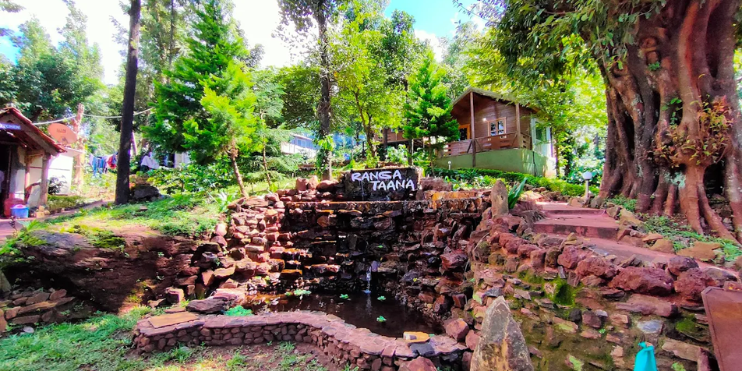
Ranga Taana sits beautifully close to Kemmanagundi, surrounded by trees, fresh air, and natural beauty. It’s the kind of place where you arrive tired and leave genuinely refreshed.
Comfortable Stay with Scenic Views
The property offers comfortable accommodations with scenic views that make every morning feel like a reward. Simple pleasures done right, that’s the Ranga Taana promise.
Ideal for Couples, Families, and Weekend Travelers
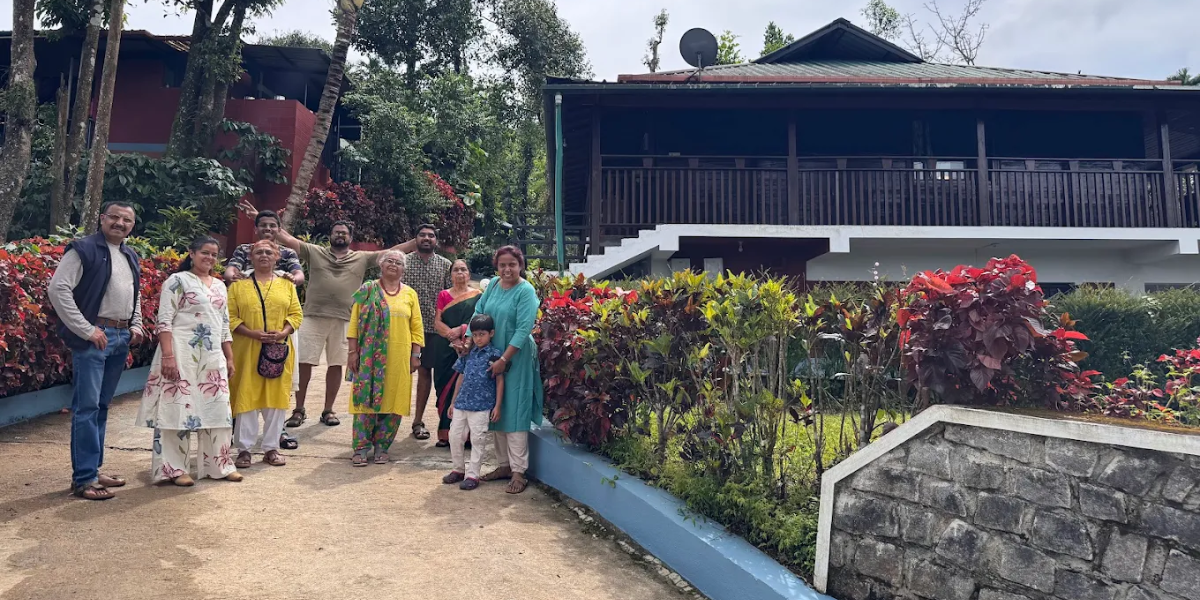
Whether you’re planning a romantic getaway, a family trip, or a solo escape, Ranga Taana offers the warmth and comfort that make your Kemmanagundi trip memorable. The vibe is relaxed, the hospitality is genuine, and the setting does all the rest.
Experience the Best of Kemmanagundi with the Right Stay
Your stay can make or break a trip. Choosing a property like Ranga Taana, close to nature, away from crowds, and built for real comfort, ensures you get the full experience that Kemmanagundi has to offer.
Final Thoughts
Kemmanagundi is one of those rare places that gifts you something beautiful no matter when you visit. But knowing the Kemmanagundi weather guide and understanding each season helps you pick the experience that matches your mood and travel style.
If you want the absolute best of everything, great weather, clear views, lush greenery, and peaceful days, plan your visit between October and February. And when you do, make sure you have the right place to come back to at the end of each day.
Ready to plan your escape? Book your Kemmanagundi stay at Ranga Taana and let the hills do what they do best, restore, refresh, and remind you of what really matters.
Book your perfect hill station retreat today, check availability now and secure your peaceful escape before it’s gone!
Frequently Asked Questions
Q1: What is the best time to visit Kemmanagundi?
A: The best time to visit Kemmanagundi is from October to February, when the Kemmanagundi weather is cool, clear, and perfect for outdoor activities. September is also a great month after the monsoon clears.
Q2: How is the weather in Kemmanagundi throughout the year?
A: Kemmanagundi weather is pleasant throughout the year. Winters (October–February) are cool (10°C–22°C), summers (March–June) are warm but manageable (15°C–30°C), and monsoons (July–August) bring heavy rain and dramatic landscapes.
Q3: Is monsoon a good time to visit Kemmanagundi?
A: Yes, if you love waterfalls and lush greenery. Monsoon is incredibly scenic, but be prepared for slippery trails and occasional road closures. It’s best for experienced travelers who don’t mind the rain.
Q4: Which season is best for waterfalls in Kemmanagundi?
A: Monsoon (July to August) is when Hebbe Falls and Kalhatti Falls are at their most powerful and breathtaking. This is the best time to visit Kemmanagundi if waterfalls are your main goal.
Q5: What are the best places to stay near Kemmanagundi?
A: For an authentic nature experience, Ranga Taana is one of the top choices for a Kemmanagundi stay, being peaceful, comfortable, and perfectly located near the hill station.
Q6: How many days are enough to explore Kemmanagundi?
A: Two to three days are ideal for exploring the key spots: Hebbe Falls, Z-Point, Raj Bhavan Gardens, and local trails. A longer stay of four to five days lets you slow down and truly soak in the hill station experience.