Spiritual Journey

Shri Sitalayyanagiri Gudi – Discover the Path to Heaven in Chikmagalur

Shri Sitalayyanagiri Gudi, nestled amidst the scenic Western Ghats, is a haven of peace and serenity that resonates deeply with spiritual seekers and nature enthusiasts alike. The shrine holds a divine presence, thus ensuring that visitors are away from the chaos of daily life to sink into an atmosphere of calm and serenity.

For many, the journey to the temple is a transformative experience. The trek through nature, combined with the spiritual aura of the temple, creates a profound sense of connection with the divine. Pilgrims and travelers alike have shared tales of feeling rejuvenated and enlightened after visiting this temple. Whether you’re looking for spiritual solace or a unique adventure, Shri Sitalayyanagiri Gudi offers both.

What Is the Story Behind Shri Sitalayyanagiri Gudi?
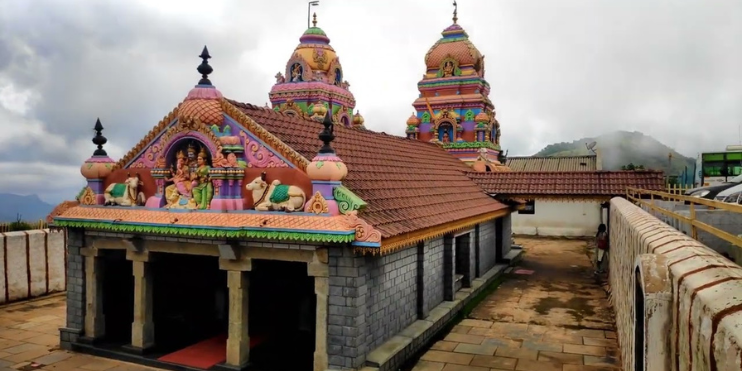
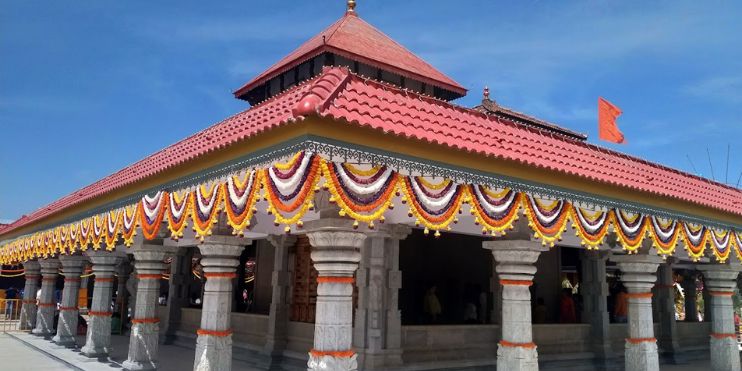
A vibrant temple adorned with colorful roof decorations, symbolizing faith and cultural heritage.

When Was the Temple Established?

Shri Sitalayyanagiri Gudi is believed to have been established centuries ago, though its exact origins remain a topic of fascination among historians and devotees. The temple is thought to have been built as a tribute to Lord Shiva, and over the years, it has become a beacon of faith for the surrounding communities. Its long-standing history is evident in the temple’s ancient architecture and the rituals that have been carried out faithfully for generations.

What Legends Are Associated with Shri Sitalayyanagiri Gudi?

Legend has it that the deity of the temple has the power to guide souls on their path to moksha, or liberation. Stories of miracles and blessings associated with the temple are widespread, with locals often recounting tales of divine intervention. One popular belief is that those who visit the temple with a pure heart and unwavering faith will find answers to their deepest prayers.

How Has the Temple Shaped Local Traditions?

Years over the years, Shri Sitalayyanagiri Gudi has been crucial for developing cultural and spiritual patterns within this region. Annual festivals and rituals attract thousands of devotees, reinforcing community bonds and keeping traditional practices alive. Beyond religious barriers, its significance remains as an essential bonding among people with a wide cultural background.

Tip: Connect with locals to discover the legends of the temple. Their stories will enhance your understanding of the site’s cultural significance.

How Does the Architecture Reflect the Divinity of Shri Sitalayyanagiri Gudi?
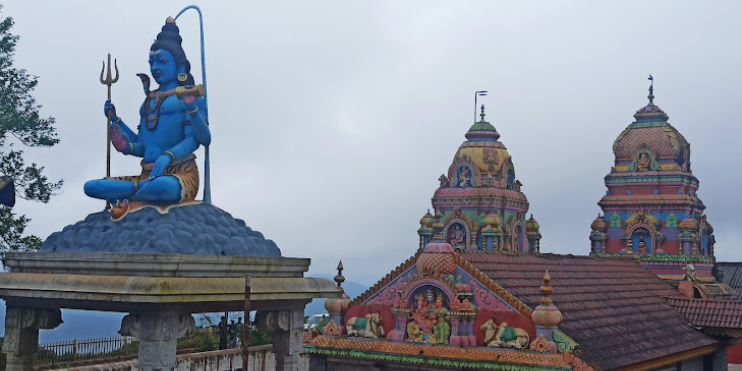
A statue of Lord Shiva atop a building, symbolizing divine presence and traditional Indian architectural beauty.

What Are the Unique Architectural Features?

The temple is a masterpiece of traditional Indian temple architecture, where intricate carvings feature beautifully sculpted idols that exude spiritual energy at the sanctum. Each element of the structure is designed with purpose, symbolizing various aspects of Hindu cosmology. The stone pillars, adorned with carvings of mythological figures, stand as a testament to the craftsmanship of ancient artisans.

How Does the Temple Showcase Devotion Through Design?

From the layout of the temple to its smallest details, every aspect reflects devotion and reverence. The sanctum, where the main deity resides, is constructed to allow the morning sunlight to illuminate the idol, signifying the triumph of light over darkness. The temple’s design encourages introspection, inviting visitors to pause and reflect.

What Are the Must-See Highlights of the Temple?

Key highlights include the intricate stone carvings on the temple facade, the serene inner sanctum, and the beautifully maintained temple grounds. Visitors are often captivated by the symmetry and balance of the temple’s design, which seamlessly blends with the surrounding landscape.

Note: Photography is usually restricted in the sanctum; be mindful of temple rules while exploring the site.

Why Is Shri Sitalayyanagiri Gudi Spiritually Significant?
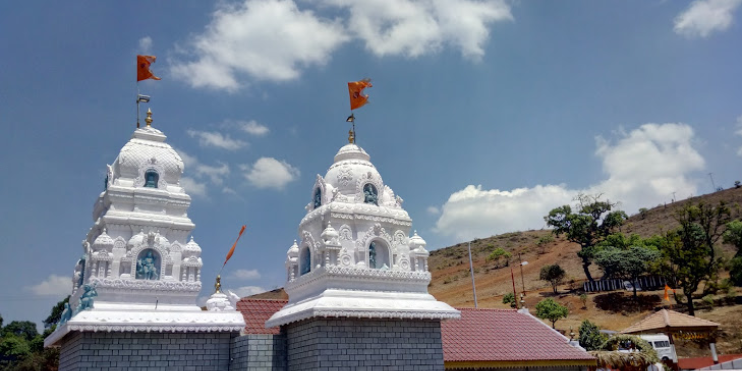
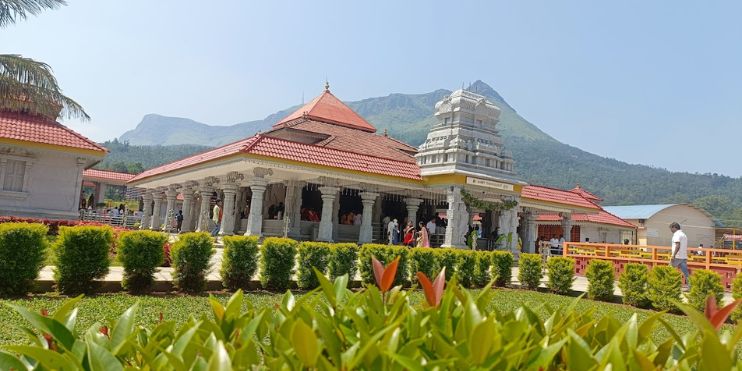
A white temple featuring two prominent towers, symbolizing peace and spiritual rejuvenation for its visitors.

What Makes This Temple a Place of Worship and Healing?

Shri Sitalayyanagiri Gudi is a sanctuary for those seeking healing and peace. Devotees often report experiencing a sense of calm and rejuvenation after their visit, attributing it to the temple’s powerful spiritual energy. The site is considered a sacred place of prayer, where prayers are believed to be answered and spiritual growth nurtured.

Which Festivals Illuminate the Spirit of Shri Sitalayyanagiri Gudi?

Festivals like Maha Shivaratri and Navaratri bring the temple to life with vibrant celebrations, devotional music, and community feasts. The festivals attract large numbers of devotees who visit to seek blessings and join in the festivities.

What Rituals Are Practiced Here?

Daily rituals at the temple include early morning abhishekas (anointing of the deity) and evening aartis (prayer ceremonies). These rituals are performed with meticulous care, reflecting the deep devotion of the temple priests and devotees.

Tip: Plan your visit during major festivals to witness the temple in its full glory, but be prepared for larger crowds.

What Is the Path to Shri Sitalayyanagiri Gudi Like?
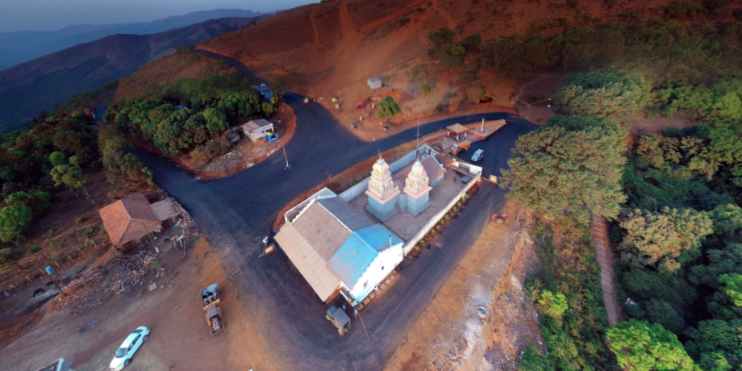
Aerial view of a church perched on a hillside, surrounded by lush greenery and scenic landscapes.

Why Is the Trek Called ‘The Path to Heaven’?

The trek to Shri Sitalayyanagiri Gudi is often described as a journey to heaven, thanks to the breathtaking views and serene environment along the way. The path, surrounded by dense forests and vibrant greenery, offers a spiritual and sensory experience that uplifts the soul.

What Should You Know About the Trekking Experience?

The trek is moderately challenging and accessible to beginners with average-level fitness. It takes around 2-3 hours to reach the temple, depending on the pace and weather conditions. On the journey, trekkers are rewarded by scenic views, sounds of the natural world, and sometimes peeks at wildlife.

How Can You Prepare for the Trek?

To ensure a comfortable journey, wear sturdy shoes, carry enough water, and pack lightweight snacks. Starting early in the morning is advisable to avoid the afternoon heat. It’s also essential to follow the designated trail and respect the natural environment.

Note: Trekking guides are available for those unfamiliar with the route. Their local knowledge can enhance your experience.

What Natural Wonders Surround Shri Sitalayyanagiri Gudi?
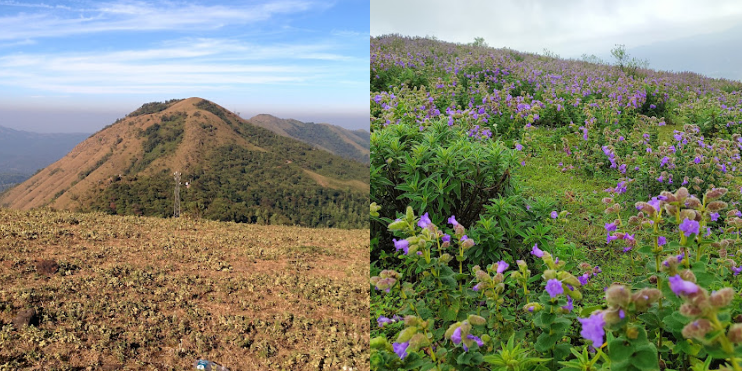
A person stands atop a mountain adorned with purple flowers, overlooking a breathtaking landscape of lush greenery and misty hills.

Why Are the Western Ghats Called a Biodiversity Hotspot?

The Western Ghats, a UNESCO World Heritage Site, are renowned for their rich biodiversity. There are so many species of flora and fauna found in the vicinity of Shri Sitalayyanagiri Gudi; some of them are even endemic to this area. The lush greenery and pristine environment make it a paradise for nature lovers.

What Views Will Take Your Breath Away?

From the temple’s vantage points, visitors can enjoy sweeping views of mist-covered hills, cascading waterfalls, and expansive valleys. The scenic beauty is particularly breathtaking during the monsoons when the landscape comes alive with colors.

Encounter Rare Wildlife Here

Nature enthusiasts may spot a variety of wildlife, including colorful birds, butterflies, and even small mammals. The area’s tranquility makes it an ideal spot for birdwatching and photography.

Tip: Bring binoculars and a camera to capture stunning landscapes and wildlife.

How Can You Plan the Perfect Visit to Shri Sitalayyanagiri Gudi?

When Is the Best Time to Visit the Temple?

The ideal time to visit Shri Sitalayyanagiri Gudi is between October and March when the weather is pleasant. The monsoon season, while beautiful, can make the trek slippery and challenging.

Where Can You Stay During Your Journey?

Accommodation options range from budget-friendly lodges to cozy homestays. Local families provide homestay experiences, allowing visitors to immerse in the local culture fully.

What Guidelines Should Visitors Follow?

Visitors are to wear modest clothing, remain silent within the temple precinct, and not litter. They should respect the customs of the place for an enriched and harmonious visit.

Note: Book accommodations in advance during peak seasons to secure your preferred stay.

Why Ranga Taana Is Your Choice for the Best Stay in Chikmagalur
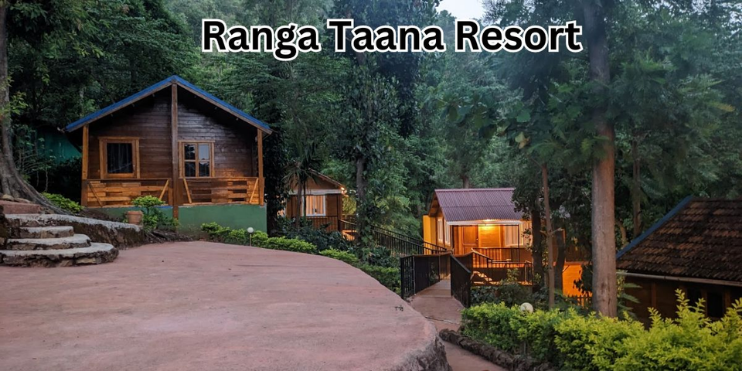
Scenic view of Ranga Taana Resort in Chikmagalur, surrounded by lush greenery, ideal for families and nature lovers.

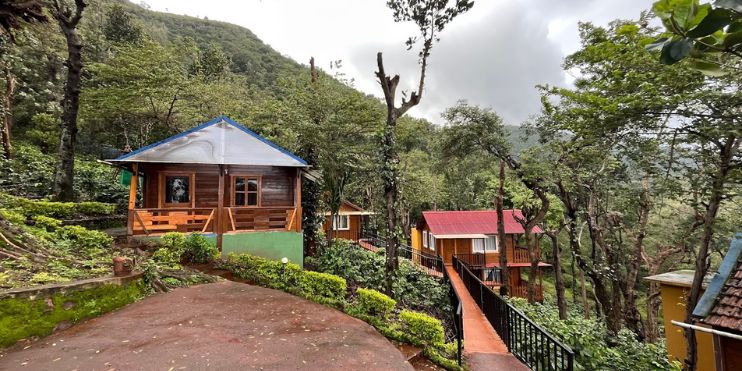
At Ranga Taana, we take pride in offering the best stay in Chikmagalur, providing an ideal retreat for families and nature lovers. Our resort is surrounded by the lush greenery of the Western Ghats, offering an unmatched experience with luxurious comfort combined with the tranquility of nature. As one of the best places to stay in Chikmagalur, we ensure every guest leaves with cherished memories and a sense of rejuvenation.

Our family-friendly amenities make Ranga Taana the best places to stay in Chikmagalur for family vacations. From comfortable and spacious rooms to exciting outdoor activities, we cater to all age groups. Whether you’re enjoying a peaceful bonfire under the stars or taking a guided nature walk through breathtaking trails, every moment at Ranga Taana is crafted to bring you closer to nature and your loved ones. For those seeking a luxurious escape, Ranga Taana stands as the best resort to stay in Chikmagalur, offering impeccable services and scenic surroundings.

Conclusion

Shri Sitalayyanagiri Gudi, nestled amidst the majestic hills of Chikmagalur, is a sacred temple and a place where nature and spirituality converge. Its serene location makes it an ideal destination for those seeking peace and introspection. For visitors planning their stay, finding the best places to stay in Chikmagalur near this temple is essential to maximize their experience. Resorts like Ranga Taana offer the perfect base for exploring the temple and surrounding attractions.

Visiting Shri Sitalayyanagiri Gudi is an enriching experience, whether you’re traveling solo or with family. Combining this spiritual journey with a comfortable stay at one of the best resorts to stay in Chikmagalur, like Ranga Taana, ensures that you enjoy the destination and the journey. After a day of trekking to the temple and soaking in its divine aura, returning to a cozy resort that caters to your needs amplifies the joy of the trip. Families, in particular, will appreciate staying at a place that caters to all ages, making it one of the best places to stay in Chikmagalur for family vacations.

Ready to make your Chikmagalur trip unforgettable? Contact us today to book your stay and experience Ranga Taana, where every moment feels like a warm embrace.
Enquire/Know more about Ranga Taana Resort

Best nature stay among resorts in Chikmangalur

Deviramma Temple Chikmagalur: Bindiga Temple, Betta Trek & Jatre Guide

Deviramma Temple Chikmagalur combines local faith, Western Ghats scenery, and one of the region’s most distinctive annual pilgrimages. But before planning your visit, there is one important detail to understand: travellers often use “Deviramma Temple” for two connected but different places.

The Bindiga Deviramma Temple stands at the foothills and is accessible by road. The Giri Deviramma Temple is the hilltop shrine on Deviramma Betta, where devotees traditionally climb during the annual Deepavali pilgrimage. Official Chikkamagaluru district tourism states that the hilltop shrine opens only on the first day of the Deepavali festival, while the Bindiga temple at the foothills is accessible by car and sits about 18 km north of Chikmagalur town. 

Understanding this difference will help you plan the right visit, particularly if you are researching the Deviramma Betta trek.

Deviramma Temple Quick Travel Guide

Detail What to Know
Location Bindiga/Mallenahalli area, Chikkamagaluru district
Main deity Goddess Deviramma
Regular temple Bindiga Deviramma Temple at the foothills
Hilltop shrine Giri Deviramma Temple on Deviramma Betta
Distance from Chikmagalur Foothill Temple is about 18 km north of town.
Hilltop access Traditionally associated with the annual Deepavali pilgrimage
Trek distance Approximately 8 km for the annual hill pilgrimage
Main festival Deviramma Jatre around Naraka Chaturdashi
Best for Pilgrimage, local culture, Western Ghats scenery
Important Confirm current festival access and temple timings before travelling.

The district administration specifically notes that access points for the hill can vary, which is another reason to check local instructions before attempting the annual pilgrimage.

Bindiga Deviramma Temple vs Giri Deviramma Temple

The biggest improvement any visitor can make to their trip planning is understanding the two locations.

Bindiga Deviramma Temple at the Foothills

The Bindiga Deviramma Temple is the easier option for a regular spiritual visit.

According to Chikkamagaluru district tourism, the temple at Bindiga lies in the foothills approximately 18 km north of Chikmagalur town and can be reached by car. Its location is surrounded by the Western Ghats, with Mullayanagiri, Baba Budangiri, and Deviramma hills forming the wider mountain backdrop. 

Choose this temple if you want:

  • A regular temple visit
  • Easier road access
  • A family-friendly spiritual stop
  • Hill scenery without undertaking the annual pilgrimage trek
  • A visit that can be combined with nearby Chikmagalur sightseeing

Giri Deviramma Temple on Deviramma Betta

The Giri Deviramma Temple sits on the hill and follows a very different access pattern.

Official district tourism states that the shrine is open only on the first day of the Deepavali festival. The Government of India’s Utsav portal identifies this annual opening with Naraka Chaturdashi and describes an approximately 8 km pilgrimage trek to the shrine. 

Do not plan the hilltop shrine as though it were an everyday trekking attraction.

Deviramma Temple History and Spiritual Significance

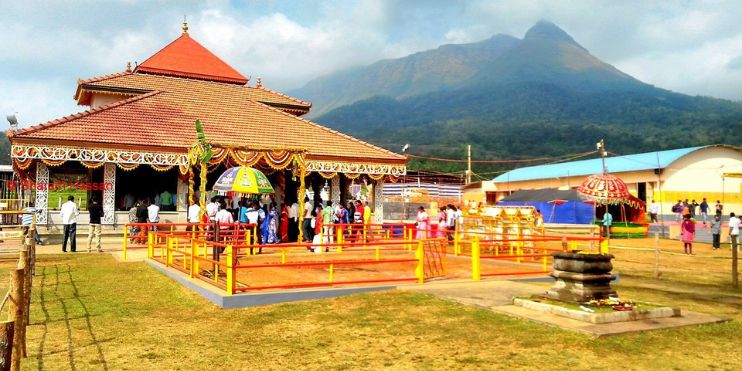
A vibrant Deviramma Temple adorned with orange and yellow decorations on the roof, symbolizing devotion and cultural heritage.

The Deviramma Temple’s history is closely tied to regional tradition and local belief.

Deviramma is worshipped as a protective mother goddess in the Chikkamagaluru region. The Ministry of Tourism’s festival documentation records the traditional belief that Goddess Durga came to Deviramma Hill after defeating Mahishasura. Devotees associate the hill with the goddess’s continuing protective presence.

These stories are part of the temple’s living religious tradition rather than something that should be presented as independently verified historical chronology.

The current page should therefore avoid unsupported claims that the temple is definitively a Hoysala structure or that specific frescoes, carvings, and architectural elements originate from the Hoysala period unless reliable archaeological documentation is available.

For visitors, the site’s importance lies primarily in:

  • Worship of Goddess Deviramma
  • The annual hill pilgrimage
  • Local Deepavali traditions
  • The relationship between the foothill temple & hilltop shrine
  • The surrounding Chandra Drona hills

Tip: Engage with the locals to learn more about the legends and stories associated with Deviramma Temple. Their narratives add a rich layer of cultural context to your visit.

Deviramma Jatre During Naraka Chaturdashi

The Deviramma Jatre is the most important time in the annual religious calendar here.

The hilltop shrine is traditionally opened during Naraka Chaturdashi Chikmagalur celebrations at the beginning of Deepavali. The Government of India’s festival portal records an annual pilgrimage in which large numbers of devotees climb the hill for darshan. 

Traditional observances described by the tourism portal include:

  • Pilgrimage to the hilltop shrine
  • Deepotsava
  • Pallakki Utsava
  • Rathotsava
  • Homa and Havan
  • Other local devotional rituals

Many devotees traditionally fast and undertake the hill pilgrimage barefoot. Visitors who are unfamiliar with these customs should approach the event respectfully and follow the directions issued by temple authorities and the district administration. 

Do Not Hardcode an October Festival Date

The previous content described the festival simply as an October event. That can become inaccurate.

Deepavali and Naraka Chaturdashi follow the Hindu calendar, so the date changes from year to year. Check the current year’s official festival and district notices before arranging travel.

Deviramma Betta Trek: What Pilgrims Should Know

A majestic temple with intricate carvings, set against a mountain backdrop, embodying Hoysala artistry and spiritual tranquility.

The Deviramma Betta trek is different from a normal recreational Chikmagalur hike.

The official district tourism page describes Deviramma Betta as a steep, pointed hill within the range near Baba Budangiri. The Ministry of Tourism’s festival information describes an approximately 8 km route to the hilltop shrine during the annual pilgrimage.

Deviramma Betta Trek Distance

The published Deviramma Betta trek distance is approximately 8 km for the pilgrimage route associated with the Jatre. Access points may vary, so the actual walking experience can differ according to the route and arrangements used for that year’s event. 

What to Carry for the Trek

For the annual Deviramma Temple trek, practical preparation matters because the terrain is steep & the pilgrimage can attract very large crowds.

Carry:

  • Drinking water
  • Light food where permitted
  • Weather protection
  • Basic personal medication
  • A charged phone
  • A small bag rather than bulky luggage
  • Clothing appropriate for a religious pilgrimage and changing hill weather

Follow current police, district, and temple instructions on parking, vehicle movement, entry routes, and crowd management.

Can You Trek Deviramma Betta on Any Day?

Do not assume so.

The official district tourism information specifically states that the hilltop temple opens only during the first day of the Deepavali festival period. If your primary reason for trekking is the Giri Deviramma Temple, confirm whether access is permitted before travelling.

Tip: Photography may be restricted in some regions of the temple. Always ask for permission before taking pictures, and respect the site’s sanctity.

Deviramma Temple Timings and Access

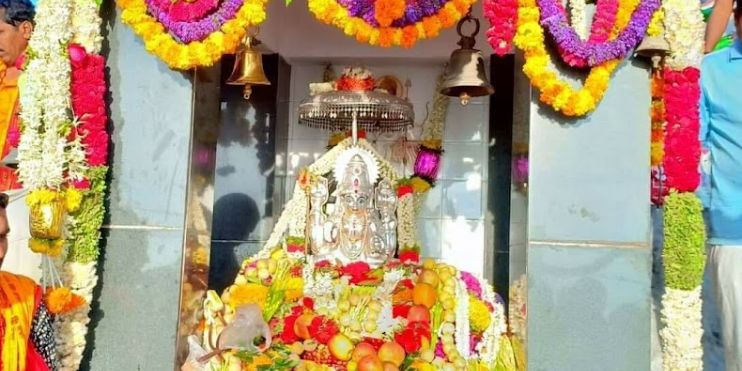
A serene shrine adorned with vibrant flowers and a statue of Goddess Deviramma, symbolizing devotion and spiritual tranquility.
Searchers looking for Deviramma Temple timings should again distinguish between the two temples.

Bindiga Foothill Temple

The foothill temple is the regular-access temple and can be reached by road. Official district tourism confirms its year-round physical accessibility by car but does not publish dependable daily darshan hours on its tourism page. 

For that reason, confirm the current morning and evening darshan schedule directly before making a special journey.

Hilltop Deviramma Temple

The hilltop shrine does not operate like a normal daily temple. Official tourism sources associate public darshan with the annual Naraka Chaturdashi or first-day-of-Deepavali pilgrimage.

Tip: Participate in the early morning rituals for a more immersive and spiritually uplifting experience. The temple priests and staff are usually welcoming and can guide you through the rituals.

How to Reach Deviramma Temple

If you are researching how to reach Deviramma Temple, use Bindiga as your main reference point for a normal visit.

From Chikmagalur

The district administration places the foothill temple at Bindiga approximately 18 km north of Chikmagalur town and describes it as easily accessible by car. 

Travel times can increase during the annual Deviramma festival period in Chikmagalur because of pilgrim traffic and special vehicle arrangements.

For the Hilltop Pilgrimage

Do not rely solely on a normal map route.

Access routes and starting points can change during the Jatre. The district tourism authority itself notes that the access point may vary. Follow the latest local traffic and pilgrimage instructions for that year’s festival.

Best Time to Visit Deviramma Temple

 A small temple surrounded by visitors, showcasing its serene architecture and inviting atmosphere in Karnataka.
The best time to visit Deviramma Temple depends on which experience you want.

For a Regular Bindiga Temple Visit

October to February generally provides cooler and clearer conditions across Chikkamagaluru for sightseeing and outdoor travel. Karnataka Tourism identifies this period as the district’s strongest general travel season. 

For the Hilltop Shrine

Plan around the annual Naraka Chaturdashi pilgrimage rather than a general tourism season.

This is the defining visit for devotees who specifically want darshan at the hilltop Deviramma Betta Chikmagalur shrine. Confirm the year’s exact access dates before travel.

During Monsoon

Chikkamagaluru becomes intensely green from June to September, but heavy rainfall can make hill trails slippery and restrict outdoor movement. 

For a steep pilgrimage route, weather and official access instructions should take priority over sightseeing plans

Tip: Plan your visit during the annual festival in October for a culturally immersive experience. The temple is beautifully decorated, and various rituals are performed during this time.

Places Near Deviramma Temple to Add to Your Trip

The strongest places near Deviramma Temple are those within the same broad Chandra Drona hill region.

Mullayanagiri

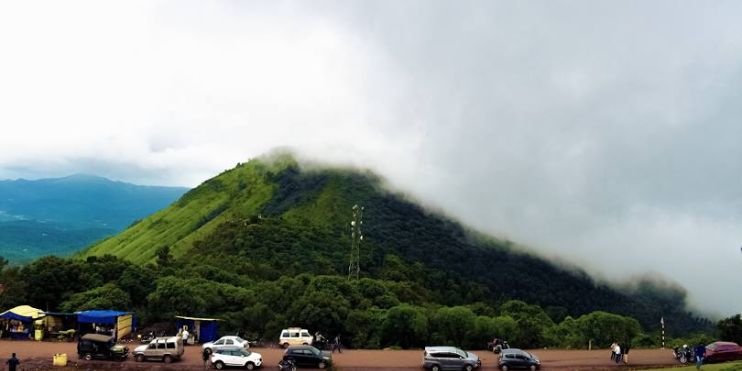
Cars parked atop Mullayanagiri Peak, the highest point in Karnataka, offering breathtaking views of the Western Ghats.


Mullayanagiri is Karnataka’s highest peak and one of Chikkamagaluru’s key hill attractions. It works well in the same broader hill itinerary when road and traffic conditions allow.
The peak stands at 6,330 feet and provides stunning panoramic vistas of the Western Ghats. It is a famous place for trekking and photography, offering a moderate trek suitable for most visitors.

Mullayanagiri Peak is excellent at sunrise and sunset, providing a serene experience for trekkers and nature enthusiasts.

Baba Budangiri

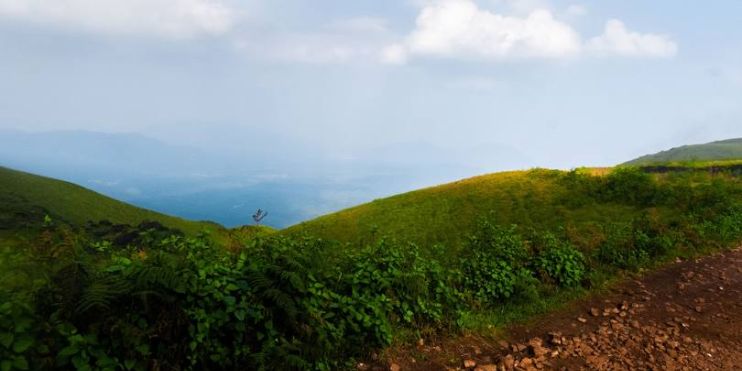
A dirt road winds through a hillside, surrounded by green grass and mountains, inviting exploration of the scenic landscape.
Baba Budangiri lies within the Chandra Drona hills & is geographically relevant to the Deviramma landscape. It combines mountain scenery with strong religious and cultural significance. 

The trek to Baba Budangiri is relatively easy and offers spectacular views, making it suitable for all age groups. The area is also known for its coffee plantations, so take advantage of the opportunity to learn about the local coffee culture.

Manikyadhara Falls

 A large waterfall cascades through a lush green forest, resembling a string of pearls amidst the serene surroundings.
Manikyadhara Falls lies around the Baba Budangiri region and can fit naturally into a hill-focused sightseeing day when access and water conditions are suitable.

Manikyadhara means “a string of pearls,” and the waterfall appears like a string of pearls against the rocky terrain. When the water flow is at its greatest, the monsoon season is the ideal time to visit the falls.

Jhari Falls

Jhari Falls is another popular waterfall on this side of Chikmagalur. Allow extra time for access arrangements instead of squeezing it into an already crowded pilgrimage day.

Bhadra Wildlife Sanctuary

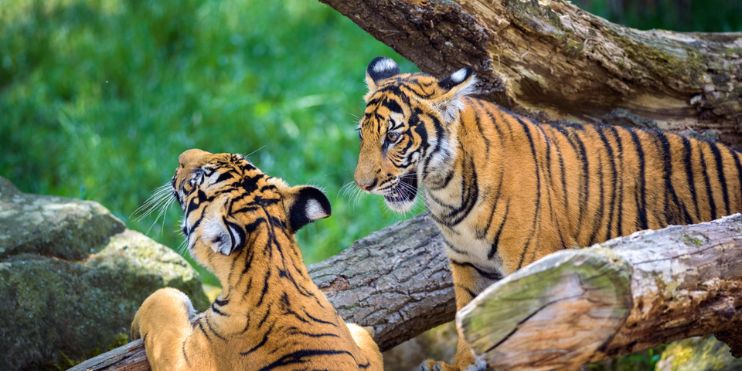
Two tigers playfully interacting in lush grass at Bhadra Wildlife Sanctuary, showcasing the beauty of nature.

The Bhadra Wildlife Sanctuary allows nature lovers to witness various plants and animals in their native environments. Elephants, tigers, leopards, and other species may be seen in the sanctuary, which makes it the ideal location for a wildlife safari.

Tip: Safari tours are available and can be booked in advance. Early morning and late afternoon safaris are the best times to spot wildlife.

Hebbe Falls

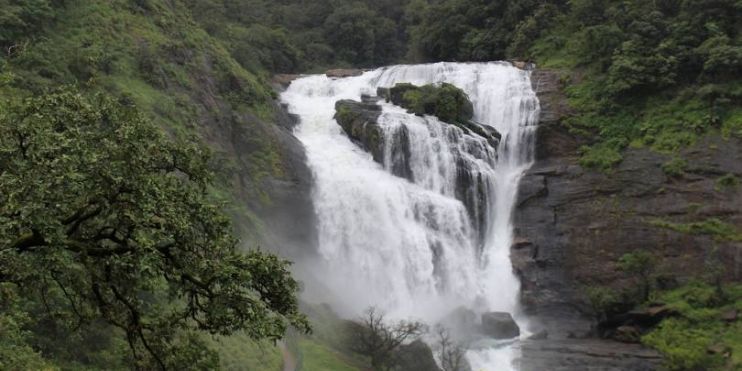
A stunning waterfall cascades through a vibrant green forest, showcasing nature's beauty and tranquility.

Hebbe Falls, another nearby attraction, is located about 10 kilometers from Kemmannugundi hill station. The waterfall is divided into two stages – Dodda Hebbe (Big Falls) and Chikka Hebbe (Small Falls). The trek to Hebbe Falls takes you through dense forests and coffee plantations, providing a refreshing experience.

Note: The trek to Hebbe Falls can be challenging, so it is advisable to go with a guide or a local who knows the trails well.

Kalhatti Falls

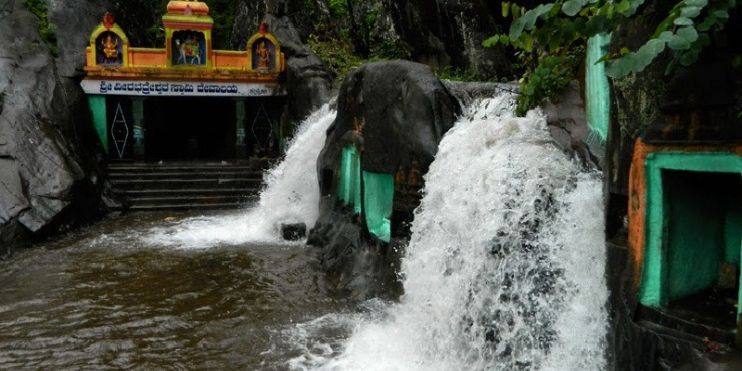
A stunning waterfall flows at the entrance of the ancient Veerabhadra Temple, surrounded by lush greenery and scenic beauty.

Kalhatti Falls, situated about 10 kilometers from Kemmangundi, is another spectacular waterfall in the region. It cascades down from a height of 122 meters and is known for its picturesque surroundings and the ancient Veerabhadra Temple near the fall’s base.

The best time to visit Kalhatti Falls is during the post-monsoon season, when the water flow is abundant, and the surrounding area is lush and green.

These surrounding sites offer a unique combination of scenic splendor, adventure, and cultural heritage, and visiting Deviramma Temple and its surroundings is a truly enriching experience.

Suggested Non-Festival Route

For a normal sightseeing day, consider:

Bindiga Deviramma Temple → Mullayanagiri area → Baba Budangiri → Manikyadhara/Jhari side

During the Deviramma Jatre, keep the itinerary focused on the pilgrimage itself because crowds & traffic can significantly change normal travel times.

Planning a Wider Chikmagalur Temple and Nature Trip?

A breathtaking sunset illuminates the mountains, casting a warm glow over the serene landscape.

The temples in Chikmagalur can be combined with mountain, waterfall, and coffee-estate experiences, but avoid treating the district as one small sightseeing zone.

Deviramma Temple belongs to the Chikmagalur town and Baba Budangiri side of the region. Ranga Taana is located separately in Ranganatha Estate, Tarikere Taluk, near Kemmangundi. Our current property pages highlight wooden cottages, a coffee-estate environment, swimming, nature walks, waterfalls, and trekking experiences. 

If your trip continues towards Kemmangundi after visiting Deviramma Temple, you can make our resort the next base in your Chikmagalur itinerary.

Tip: The elevation of Deviramma Betta is around 5000 feet, offering a cooler climate and refreshing air, perfect for a rejuvenating trip.

Stay at Ranga Taana After Your Chikmagalur Temple Visit

 A small cabin nestled in the woods, surrounded by trees and a winding path, inviting tranquility and nature's embrace.
After visiting one of the most distinctive spiritual places in Chikmagalur, you may want the next part of your trip to move at a slower pace.

At Ranga Taana, we offer wooden, deluxe, and traditional cottage accommodation within our estate setting. Our property pages also highlight swimming, nearby waterfalls, nature walks and trekking around the Kemmangundi side of Chikmagalur. 

Use us as a separate Kemmangundi-side base rather than assuming we are directly beside Deviramma Temple.

Plan Your Deviramma Temple Visit With the Right Expectations

A visit to Deviramma Temple in Chikmagalur becomes much easier to plan once you separate the foothill temple from the hilltop pilgrimage.

Visit the Bindiga Deviramma Temple for regular darshan and a road-accessible spiritual stop. Plan the Deviramma Betta trek specifically around official annual access if you want to experience the Giri Deviramma Temple and Deviramma Jatre.

If your Chikmagalur journey continues towards Kemmangundi, you can then spend the next part of your trip with us at Ranga Taana, with cottage accommodation, coffee-estate surroundings, and nature-focused activities.

Frequently Asked Questions 

Where is Deviramma Temple in Chikmagalur?

The regular-access Bindiga Deviramma Temple is in the foothills, approximately 18 km north of Chikmagalur town. The related hilltop shrine is located on Deviramma Betta within the Chandra Drona hill range. 

Are there two Deviramma temples?

Yes. Official tourism information distinguishes the foothill temple at Bindiga from the popular hilltop shrine on Deviramma Betta. The foothill temple is accessible by road, while the hilltop temple is associated with the annual Deepavali pilgrimage. 

Is Deviramma Temple open throughout the year?

The foothill Bindiga Deviramma Temple is the regular temple that visitors can reach by road. The hilltop Giri Deviramma Temple opens for devotees during the annual Deepavali or Naraka Chaturdashi pilgrimage, according to official tourism sources. 

How long is the Deviramma Betta trek?

The Ministry of Tourism’s festival information describes the annual hill pilgrimage as an approximately 8 km trek. The access point can vary, so check the current route for the year you plan to visit. 

When is Deviramma Jatre held?

The Deviramma Jatre is associated with Naraka Chaturdashi at the beginning of the Deepavali festival. Because the Hindu festival date changes annually, check the exact date and access arrangements for the year of your visit. 

Can families visit Deviramma Temple?

Yes, the road-accessible Bindiga foothill temple is the practical option for families seeking darshan without the hill pilgrimage. The annual hill climb is considerably more demanding and should be planned according to fitness, weather, crowd conditions, and official instructions.

Can I visit Deviramma Temple and Mullayanagiri on the same day?

For a normal non-festival visit, the two can form part of the same broader hill itinerary because both lie around Chikmagalur’s northern mountain belt. During the Jatre, keep your schedule flexible because pilgrim traffic can alter normal journey times.

What should I wear when visiting Deviramma Temple?

Wear modest clothing appropriate for a religious site. Remove footwear where required, respect temple rules & follow any special instructions issued during festival days.

Is Deviramma Betta suitable for casual trekking?

Do not treat it as an unrestricted everyday trek. The hilltop temple has special annual access associated with Deepavali, & official tourism notes that access points may vary. Check current local permission and route information before planning a climb. 

Enquire/Know more about Ranga Taana Resort

Best nature stay among resorts in Chikmangalur