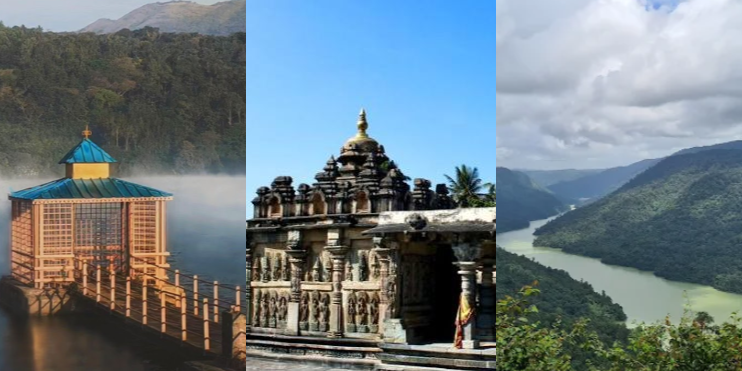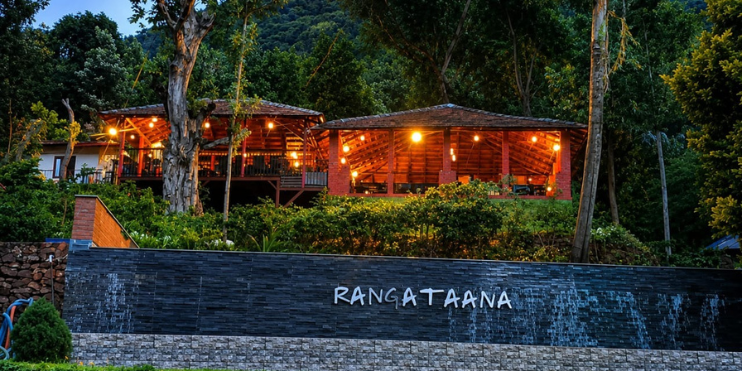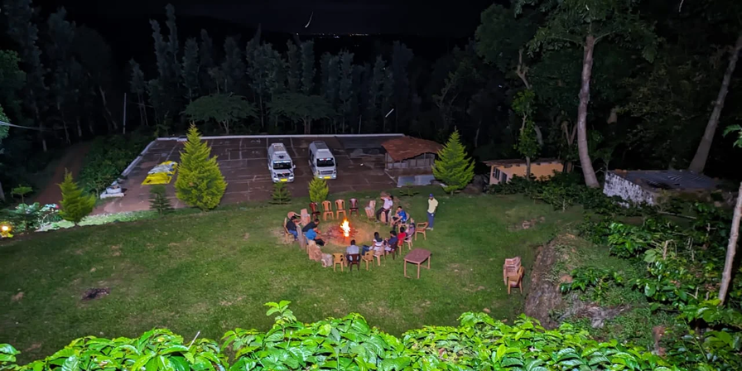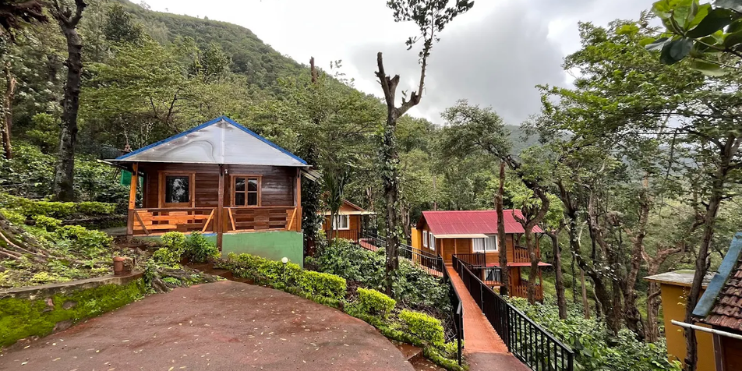
Nearby Attractions

When is the Best Time to Visit Kemmanagundi? Weather & Season Guide

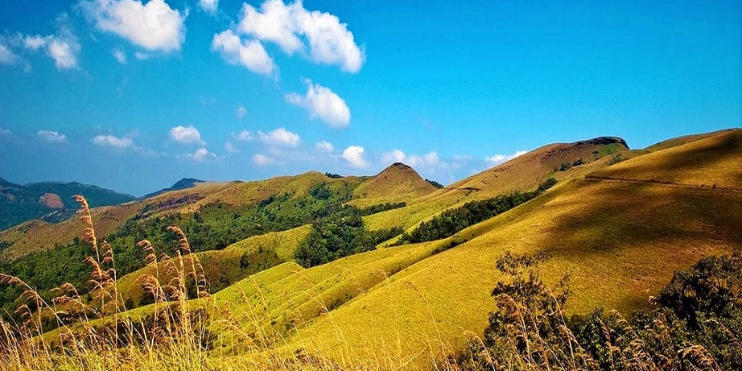
Nestled in the Western Ghats of Karnataka, Kemmanagundi is one of those rare places that seem like nature’s best-kept secret. No wonder people return here for its cool breezes, misty mornings, lush greenery, and the sound of waterfalls.

But the deal is this: This place is beautiful year-round, but the experience you have really depends on when you come. If you are looking for adventure hikes, peaceful mornings with a cup of coffee, or chasing monsoon waterfalls, this weather guide will help you plan your trip.

So let’s dive in and find out the best time to visit Kemmanagundi for you!

Where is Kemmanagundi located?

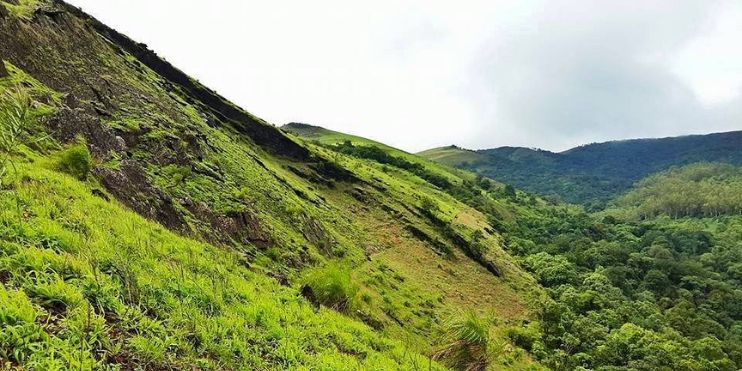
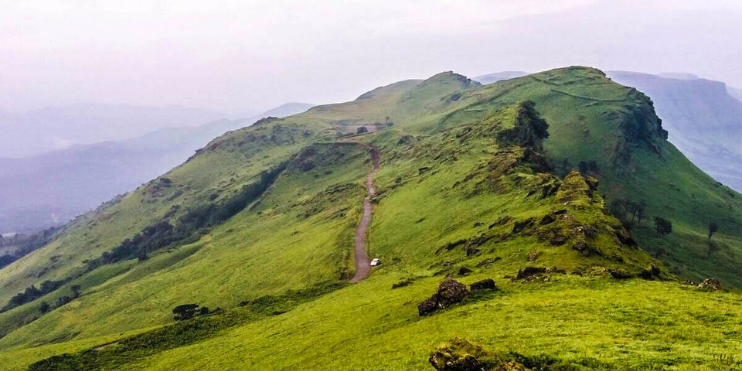
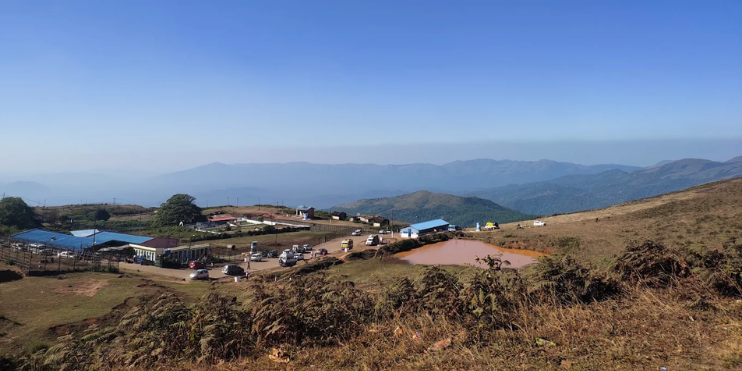
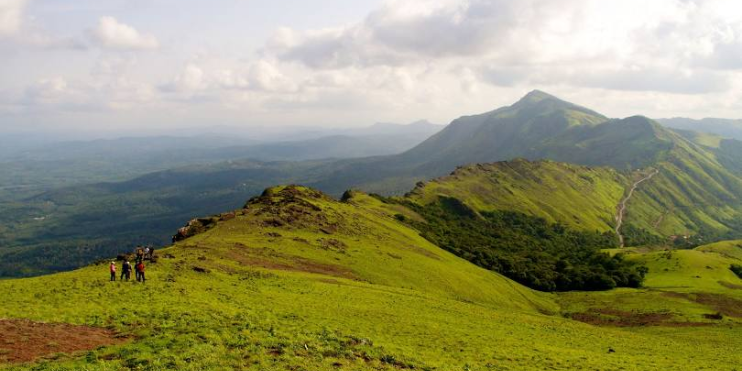
Kemmanagundi (also called K.R. Hills) is located in the Chikkamagaluru district of Karnataka, sitting at an altitude of about 1,434 meters above sea level. It’s part of the Bhadra Wildlife Reserve, which is surrounded by thick forests, coffee plantations, and rolling hills.

It’s around 265 km from Bengaluru, making it a perfect weekend getaway from the city.

What Makes Kemmanagundi a Popular Hill Station Destination?

What Makes Kemmanagundi a Popular Hill Station Destination?
Kemmanagundi checks every box for a perfect hill station escape. Here’s why people love it:

  • Breathtaking viewpoints like Hebbe Falls and Raj Bhavan Gardens
  • Cool, refreshing climate all year
  • Untouched nature with very little commercial crowd
  • Great for trekking, photography, and birdwatching
  • Peaceful vibes that help you truly disconnect

Did You Know? Kemmanagundi was once the summer retreat of the Mysore Maharajas! The Raj Bhavan (King’s Cottage) here is a heritage property that remains a reminder of royal history.

Complete Monthly Weather Guide with Temperature Insights

Complete Monthly Weather Guide with Temperature Insights

Month Avg. Temperature Things to Enjoy
January 10°C – 20°C Nature walks, gardens, misty mornings
February 12°C – 22°C Trekking, birdwatching, sightseeing
March 15°C – 25°C Viewpoints, sunrise treks
April 18°C – 28°C Early morning hikes, local food
May 20°C – 30°C Waterfalls begin, cooler evenings
June 18°C – 25°C Lush greenery, Hebbe Falls fills up
July 15°C – 22°C Dramatic waterfalls, misty forests
August 14°C – 21°C Peak monsoon beauty, scenic drives
September 15°C – 23°C Green landscapes, fewer crowds
October 13°C – 22°C Pleasant weather, Dussehra festivities
November 11°C – 20°C Clear skies, ideal trekking season
December 10°C – 18°C Cold mornings, cozy staycation vibes

Kemmanagundi in Summer (March to June)

Summers in Kemmanagundi are much more pleasant than in the plains. Temperatures range from 15°C to 30°C. Days can get warm, but evenings and nights remain comfortably cool thanks to the altitude.

Is Summer a Good Time to Visit Kemmanagundi?

Yes! If you don’t mind slightly warmer afternoons, summer is actually a great time to visit. The trails are accessible, the viewpoints are clear, and there are fewer tourists around.

Best Activities to Enjoy in Summer

  • Sunrise trek to Kemmangundi peak
  • Visiting Raj Bhavan and its manicured gardens
  • Photography at Hebbe Falls (water levels are moderate)
  • Birdwatching in the Bhadra Wildlife Reserve area
  • Exploring local coffee estates

Travel Tips for Summer Visitors

  • Bring sunscreen and a light jacket for the evenings.
  • Leave early in the morning to avoid the heat of the afternoon.
  • Drink plenty of fluids, and always carry a water bottle.
  • Plan your Kemmanagundi trip in advance during the long weekends in April and May.

Kemmanagundi in Monsoon (July to August)

Kemmanagundi in Monsoon (July to August)
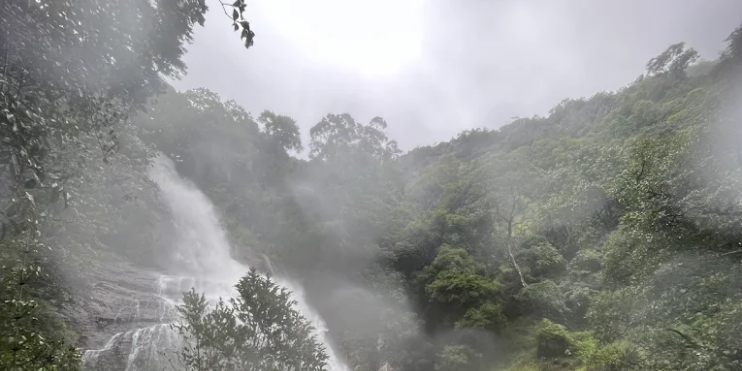
Honestly? It is like something out of a dream. Everything turns deep green, waterfalls come alive, and the whole hill station wears a misty, magical look. If you love dramatic landscapes and the sound of rain, the monsoon is your season.

Pros and Cons of Visiting in the Rainy Season

Pros:

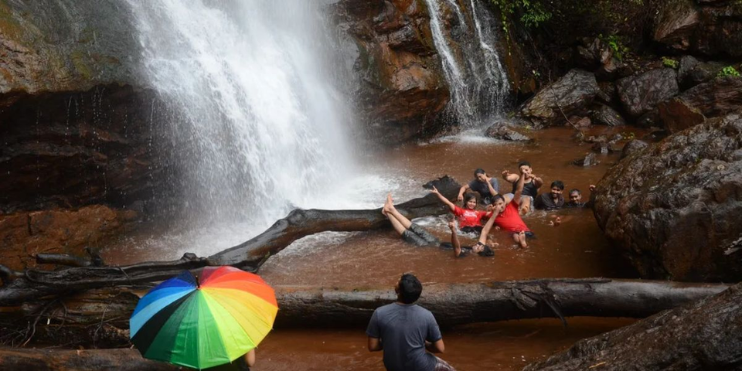
  • Hebbe Falls and Kalhatti Falls are at their most spectacular
  • Very few tourists, almost private access to nature
  • Lush forests and vibrant greenery everywhere
  • Great for photography and nature lovers

Cons:

  • Some trekking trails can be slippery and risky
  • Roads may get blocked during heavy rains.
  • Leeches are common on forest trails.

Waterfalls and Scenic Beauty During Monsoon

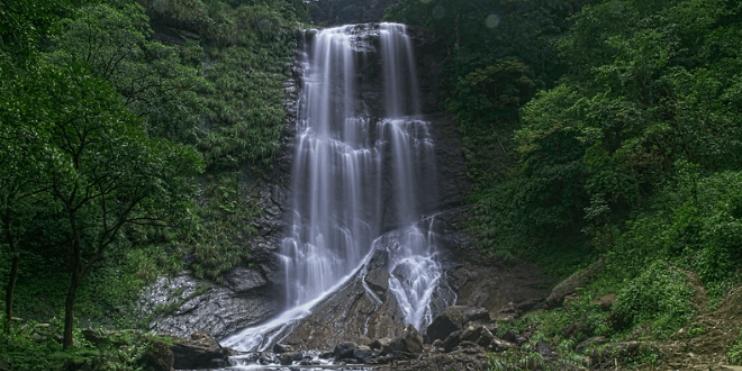
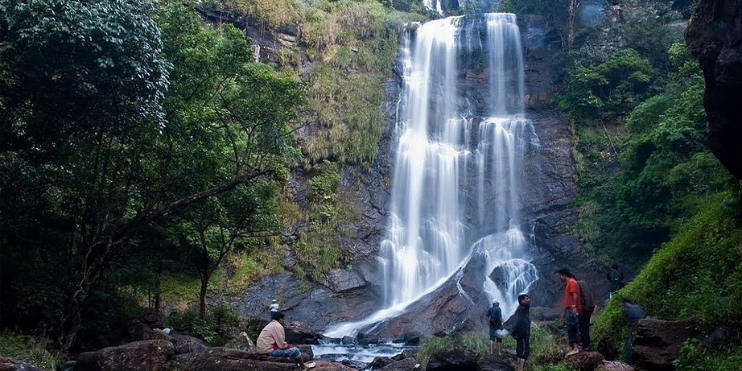
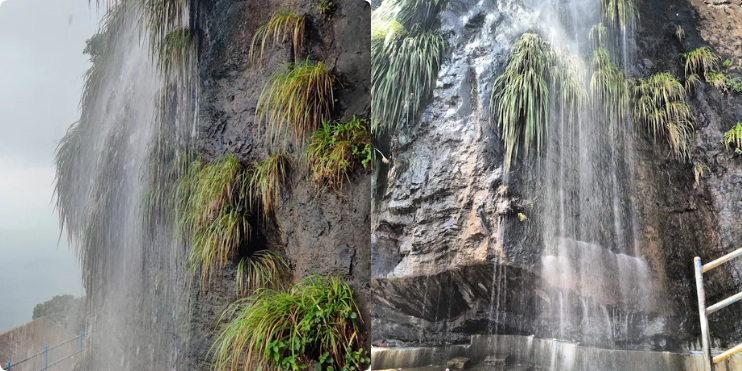
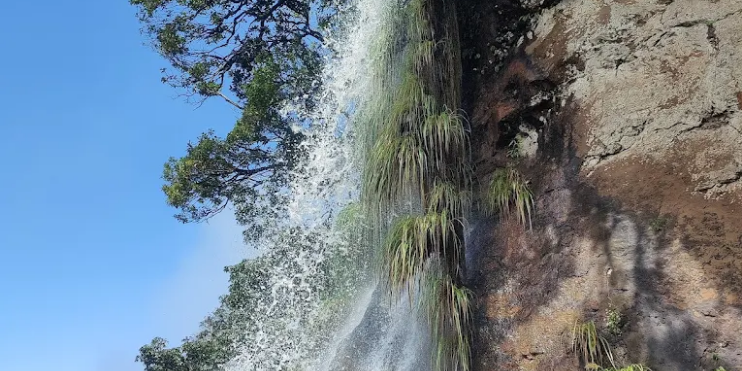
Hebbe Falls is the star of Kemmanagundi in the monsoon season. In July and August the twin falls thunder down 168 meters in full glory. The mist, the roar, and the greenery surrounding it are totally unforgettable.

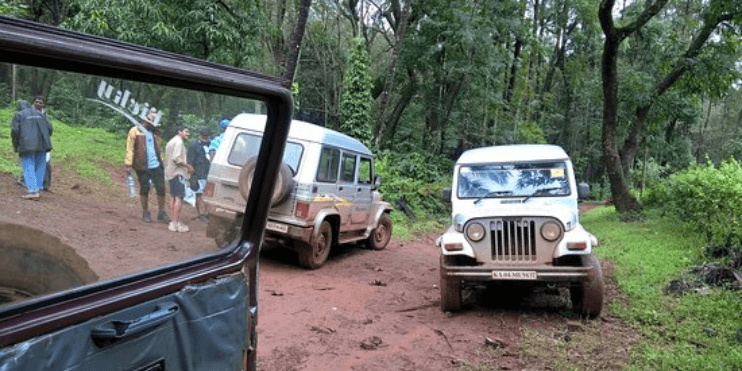
Fun Fact: Hebbe Falls is one of the few waterfalls in Karnataka where you can take a jeep safari ride right up to the falls, a 14 km off-road adventure!

Safety Tips for Monsoon Travel

  • Never go for solo treks. Always go with a guide or group.
  • Wear suitable waterproof grip footwear.
  • Check road conditions.
  • Tell your accommodation about your trekking plans

Kemmanagundi in Winter (September to February)

Ask anyone, and they’ll tell you the best time to visit Kemmanagundi is between September and February. The rains have cleared, the greenery is still lush, and the Kemmanagundi weather is crisp and refreshing. It’s the ideal place where everything functions smoothly.

Temperature and weather guide in Winter

In December and January the temperature can fall to 10°C. Cool enough for a warm jacket, have a cup of hot tea. Misty mornings are frequent. The views are totally stunning and the skies are usually clear.

Ideal Activities to Enjoy in Winter

  • Trekking to Z-Point for panoramic sunrise views
  • Visiting the Raj Bhavan rose garden when the flowers bloom.
  • Nature walks along the forest trails.
  • Birdwatching (winter is peak birding season here)
  • Campfire evenings with family or friends

Why Winter is Perfect for a Peaceful Staycation

The cool weather, calm surroundings, and beautiful mornings make winter ideal for a quiet retreat. A cozy Kemmanagundi stay surrounded by nature, with nothing but the sounds of birds and wind, it’s exactly the reset your mind needs.

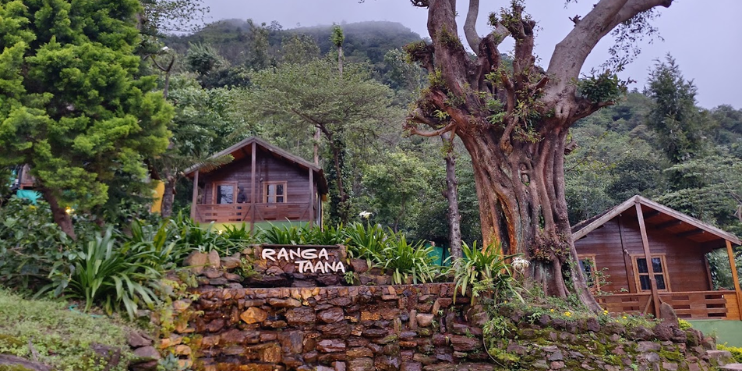
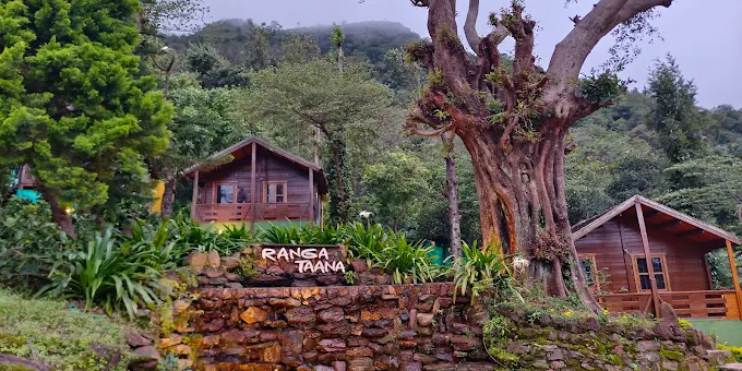
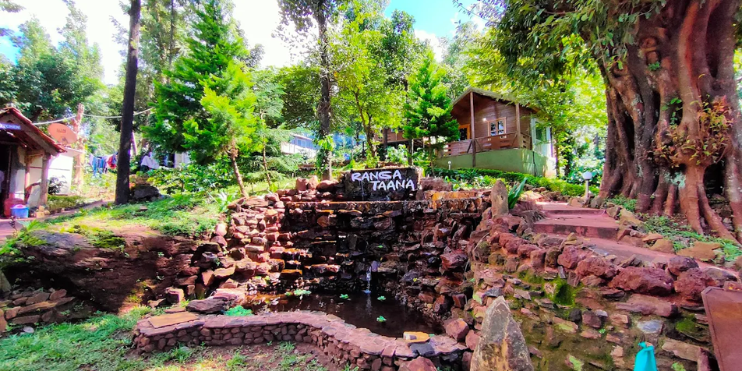
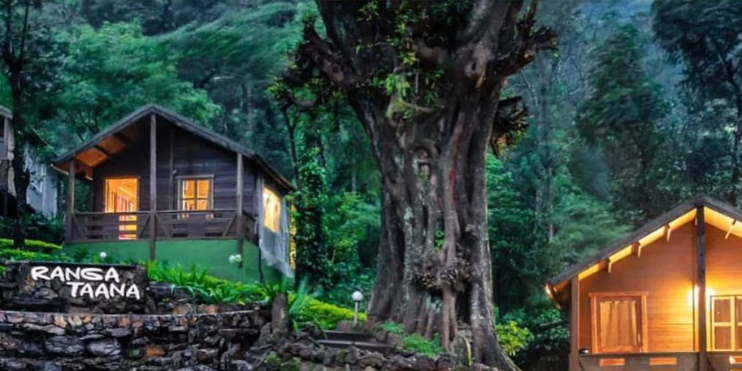
Places like Ranga Taana offer exactly this kind of peaceful, nature-immersed experience, making winter stays in Kemmanagundi truly special.

When is the Best Time to Visit Kemmanagundi?

When is the Best Time to Visit Kemmanagundi?

Which Season Offers the Best Experience?

The best time to visit Kemmanagundi overall is from October to February. The Kemmanagundi weather during this period is cool, clear, and comfortable. You get the best views, best trekking conditions, and the most pleasant days overall.

The monsoon season (July to August) is best for waterfall lovers and photography enthusiasts. Summer is great for those who want fewer crowds and clear trails.

Best Time to Visit Kemmanagundi for Sightseeing and Relaxation

October to January is the clear winner for sightseeing and leisurely exploration. On clear days the views are spectacular and the weather is perfect for a leisurely walk through the gardens and trails.
When Should You Avoid Visiting Kemmanagundi?

Mid-monsoon (July to mid-August) can be tricky with road landslides and heavy rain disrupting travel plans. If you don’t like sudden rain and slippery trails, you’ll want to wait until September.

Tourist Crowd and Best Time for a Peaceful Visit

When Does Kemmanagundi Get Crowded?

Kemmanagundi sees the most visitors in December and January, as well as during long weekends in October and November. School vacation periods in May also bring families up for a getaway.

Best Months for a Quiet and Relaxing Trip

February, March and September are the hidden gems for a peaceful visit. The weather continues to be pleasant at Kemmanagundi but the crowds of tourists have thinned out. You have the viewpoints and trails virtually to yourself.

Weekday vs Weekend Travel Experience

Weekdays are noticeably quieter than weekends, especially at popular spots like Hebbe Falls and Z-Point. If you can travel on Tuesday or Wednesday, you will have a much more relaxed and uncrowded experience.

Local Festivals and Cultural Experiences Near Kemmanagundi

Local Festivals and Cultural Experiences Near Kemmanagundi

Popular Festivals You Can Experience

Visiting during a local festival adds so much warmth and color to your trip. Here’s what to look for:

  • Dussehra (Dasara), in October, Karnataka’s grandest festival is celebrated with vibrant processions, cultural performances, and electric energy across towns near Kemmanagundi. The nearby Chikkamagaluru town puts up a lovely celebration.
  • Deepavali, October/November: Traditional rituals, clay lamps lighting up every home, festive food, and a genuine sense of community joy.
  • Makara Sankranti, January 14 A harvest festival celebrated with local customs, traditional food, and village-level bonhomie. The rural life around Kemmanagundi comes alive beautifully.
  • Ugadi, March/April: The Kannada New Year brings fresh flavors , Bevu Bella (neem and jaggery) and traditional dishes are served, and the whole region feels festive.

Best Time to Visit for Cultural Experiences

  • October to January: Kemmanagundi major festivals & best weather for
  • Monsoon season: Witness the beauty of rural life and lush greenery
  • Festive times: local people take part in an immersive cultural experience

Best Food to Try in Kemmanagundi by Season

Comfort Foods to Enjoy in Winter

Cold mornings in Kemmanagundi call for hearty, warming food.

Look for:

  • Akki Rotti (rice flatbread) with coconut chutney
  • Hot Ragi Mudde with Sambar
  • Fresh filter coffee from local estates.

Refreshing Local Dishes for Summer

  • Neer Dosa, light, lacy, and perfect for warm days
  • Coconut-based curries with fresh vegetables
  • Buttermilk and fresh tender coconut

Monsoon Special Food Experiences

Hot pakoras, corn bhutta, rain lashing against the window. There is something magical about it. In the rains, the local dhabas dish out simple but oh-so-satisfying meals.

Must-Try Malnad Cuisine Near Kemmanagundi

Malnad food is Kemmanagundi’s soul food. Try:

  • Koli Saaru (spicy chicken curry)
  • Pandi Curry (Coorg-style pork)
  • Kachampuli-based gravies
  • Jackfruit dishes (in season during summer)

Travel Tips Based on Kemmanagundi Weather Guide

Travel Tips Based on Kemmanagundi Weather Guide

What to Pack for Each Season?

Winter: Warm layers, thermals, light jacket, good trekking shoes, woolen socks.

Summer: Light cottons, sunscreen, sunglasses, and a light sweater for evenings. 

Monsoon: Raincoat or poncho, waterproof shoes, insect repellent, dry bags for gadgets

How to Plan Your Stay Based on the Weather

  • Book your Kemmanagundi stay well in advance from October to January
  • For monsoon visits, keep your itinerary flexible, as the weather can change quickly.
  • Always have a backup indoor plan in case of heavy rain.

Important Things to Know Before Visiting

  • Kemmanagundi has limited ATMs; carry cash.
  • The mobile network is patchy in forest areas.
  • Entry to some areas may require the forest department’s permission.
  • Plastic is banned in several zones; carry reusable bags and bottles.

Where to Stay in Kemmanagundi for the Best Experience

Why Choose a Nature Stay in a Hill Station?

Staying in a nature property changes the whole feel of your trip. You wake up to bird calls instead of traffic, walk out to green views instead of concrete, and sleep better than you have in months.

What to Look for in a Kemmanagundi Stay

  • Proximity to nature and viewpoints
  • Comfortable rooms with warm amenities
  • Genuine hospitality (not just hotel service)
  • Outdoor spaces to sit and enjoy the surroundings

How Location Impacts Your Travel Experience

Your stay location determines how much you enjoy Kemmanagundi. A property nestled in the hills means cool air right from your room, shorter distances to viewpoints, and a more immersive hill station experience.

Why Ranga Taana is the Perfect Stay Near Kemmanagundi

Why Ranga Taana is the Perfect Stay Near Kemmanagundi

Peaceful Location Surrounded by Nature

Ranga Taana sits beautifully close to Kemmanagundi, surrounded by trees, fresh air, and natural beauty. It’s the kind of place where you arrive tired and leave genuinely refreshed.

Comfortable Stay with Scenic Views

The property offers comfortable accommodations with scenic views that make every morning feel like a reward. Simple pleasures done right, that’s the Ranga Taana promise.

Ideal for Couples, Families, and Weekend Travelers

Whether you’re planning a romantic getaway, a family trip, or a solo escape, Ranga Taana offers the warmth and comfort that make your Kemmanagundi trip memorable. The vibe is relaxed, the hospitality is genuine, and the setting does all the rest.

Experience the Best of Kemmanagundi with the Right Stay

Your stay can make or break a trip. Choosing a property like Ranga Taana, close to nature, away from crowds, and built for real comfort, ensures you get the full experience that Kemmanagundi has to offer.

Final Thoughts

Kemmanagundi is one of those rare places that gifts you something beautiful no matter when you visit. But knowing the Kemmanagundi weather guide and understanding each season helps you pick the experience that matches your mood and travel style.

If you want the absolute best of everything, great weather, clear views, lush greenery, and peaceful days, plan your visit between October and February. And when you do, make sure you have the right place to come back to at the end of each day.

Ready to plan your escape? Book your Kemmanagundi stay at Ranga Taana and let the hills do what they do best, restore, refresh, and remind you of what really matters.

Book your perfect hill station retreat today, check availability now and secure your peaceful escape before it’s gone!

Frequently Asked Questions

Q1: What is the best time to visit Kemmanagundi?

A: The best time to visit Kemmanagundi is from October to February, when the Kemmanagundi weather is cool, clear, and perfect for outdoor activities. September is also a great month after the monsoon clears.

Q2: How is the weather in Kemmanagundi throughout the year?

A: Kemmanagundi weather is pleasant throughout the year. Winters (October–February) are cool (10°C–22°C), summers (March–June) are warm but manageable (15°C–30°C), and monsoons (July–August) bring heavy rain and dramatic landscapes.

Q3: Is monsoon a good time to visit Kemmanagundi?

A: Yes, if you love waterfalls and lush greenery. Monsoon is incredibly scenic, but be prepared for slippery trails and occasional road closures. It’s best for experienced travelers who don’t mind the rain.

Q4: Which season is best for waterfalls in Kemmanagundi?

A: Monsoon (July to August) is when Hebbe Falls and Kalhatti Falls are at their most powerful and breathtaking. This is the best time to visit Kemmanagundi if waterfalls are your main goal.

Q5: What are the best places to stay near Kemmanagundi?

A: For an authentic nature experience, Ranga Taana is one of the top choices for a Kemmanagundi stay, being peaceful, comfortable, and perfectly located near the hill station.

Q6: How many days are enough to explore Kemmanagundi?

A: Two to three days are ideal for exploring the key spots: Hebbe Falls, Z-Point, Raj Bhavan Gardens, and local trails. A longer stay of four to five days lets you slow down and truly soak in the hill station experience.

A Soulful Weekend Getaway: Pilgrimage to the Tarikere Sri Subramanya Temple

Tarikere is a peaceful town in Karnataka, surrounded by lush greenery and known for its spiritual charm. The Tarikere Sri Subramanya Temple draws in devotees, nature lovers, and weekend travelers looking for calm and blessings. With its ties to traditional snake worship, the temple offers a meaningful spiritual experience along with beautiful views and a quiet atmosphere.

For families, nature lovers, and weekend travelers seeking a respite from the demands of city life, Sri Subramanya Temple is the ideal destination. This article takes you on a journey to discover the temple’s spiritual essence, unique rituals, and the natural beauty that surrounds it.

The Spiritual Essence of the Temple

The Spiritual Essence of the Sri Subramanya Temple

The Tarikere Sri Subramanya Temple is an important religious site in Karnataka. Dedicated to Lord Subramanya, it stands for devotion, rituals, and spiritual guidance. Its spot on a hilltop adds to the special feeling, making worship and reflection even more meaningful.

Legends and Beliefs

Lord Subramanya, the divine son of Shiva and Parvati, is revered as Kartikeya, the protector and remover of obstacles. According to legend, he defeated the demon Ghatikasura, embodying the victory of righteousness. The Sri Subramanya Temple is associated with snake worship, a practice rooted in Southern Indian traditions. Devotees believe the temple grants relief from ailments, marital harmony, and blessings for childless couples, making it a hub of faith and hope.

Unique Rituals

The temple is famous for rituals like the Ashlesha Bali Puja and Sarpa Dosha Parihara, where devotees ask for divine help. Offering snake idols is an important tradition that shows respect and devotion. These ceremonies let visitors see Karnataka’s spiritual customs up close and bring blessings for themselves and their families.

Location and Accessibility

The Tarikere Sri Subramanya Temple sits on Devarappa Street, right in the heart of Tarikere. It’s easy to reach for those exploring the Chikmagalur district, but since public transport is limited, most visitors prefer to use a private vehicle or take an auto-rickshaw.

Getting There

  • By Rail: Tarikere railway station serves as a convenient hub, connecting regional towns and providing travelers with easy access to the Tarikere Sri Subramanya Temple and nearby attractions.
  • By Air: Mangalore International Airport, approximately 120 km away, serves long-distance travelers.
  • By Road: You can drive to the temple from Chikmagalur, Shimoga, or Bangalore using the main highways. The roads are in good condition, making the trip easy and letting you enjoy the beautiful scenery on the way.

Accessibility Considerations

The temple lacks a fully wheelchair-accessible entrance. Elderly visitors or those with mobility issues. The temple does not have a fully wheelchair-accessible entrance. Elderly visitors or anyone with mobility issues might need help with the steps up the hill. It’s a good idea for everyone to wear comfortable shoes and bring water. Morning and evening, with typical hours from 5 AM – 10 AM and 6:30 PM – 8 PM, although some reports mention 9 AM – 12:30 PM for mornings. Confirming current timings before visiting is recommended.

Best Times to Visit

The temple is most enjoyable during the cooler months, when the surroundings are green and pleasant. Visiting early in the morning is peaceful and perfect for meditation. If you want a quieter visit, try to avoid the busiest festival times.

Festival Highlights

Festival Highlights

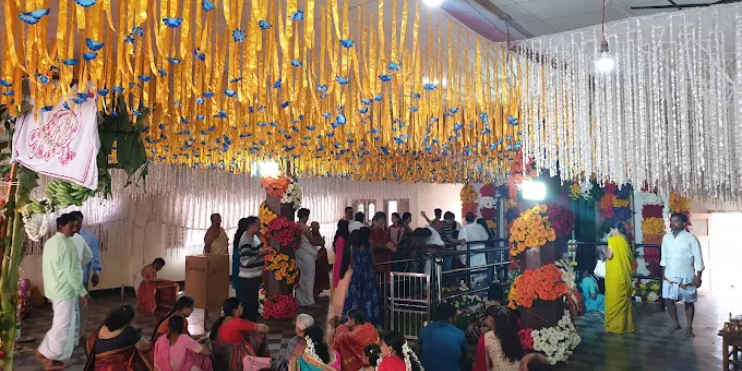
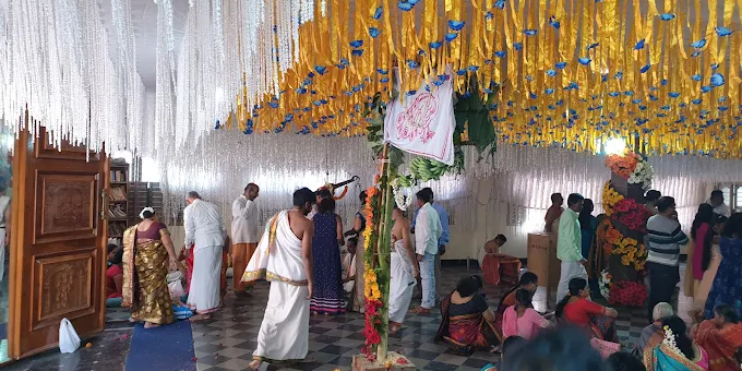
Major festivals dedicated to Lord Subramanya feature special pujas, rituals, and community gatherings. Observing these celebrations offers insight into local devotion and the cultural vibrancy surrounding the Sri Subramanya Temple.

The Hillock Experience

The Tarikere Sri Subramanya Temple sits on a gentle hill, giving visitors both a peaceful atmosphere and wide views of the area. The higher spot adds to the calm feeling and lets you enjoy fresh air and beautiful scenery.

Scenic Views and Photography

From the hill, you can see all of Tarikere, the nearby hills, and lots of greenery. Early morning or late afternoon are the best times for photos, with great light for both the landscape and the temple. Taking a relaxed walk around the hill makes the visit even better.

Nature Connection

The area around the temple is full of plants and wildlife, making it a peaceful place to relax and reflect. You might spot birds, butterflies, and local plants, all adding to the calm, spiritual feeling. It’s a great spot for a quiet walk or meditation in nature.

Nearby Attractions for a Full-Day Itinerary

You can make your trip even more special by visiting nearby places, turning your pilgrimage into a weekend that mixes spiritual time with a bit of adventure.

Bhadra Wildlife Sanctuary

Bhadra Wildlife Sanctuary

Bhadra Wildlife Sanctuary is home to tigers, elephants, and many kinds of birds. You can join a guided safari, walk along nature trails, and enjoy the peaceful scenery. Visiting here adds a special touch to your spiritual trip to the Sri Subramanya Temple.

Kemmannugundi Hill Station

Kemmannugundi Hill Station

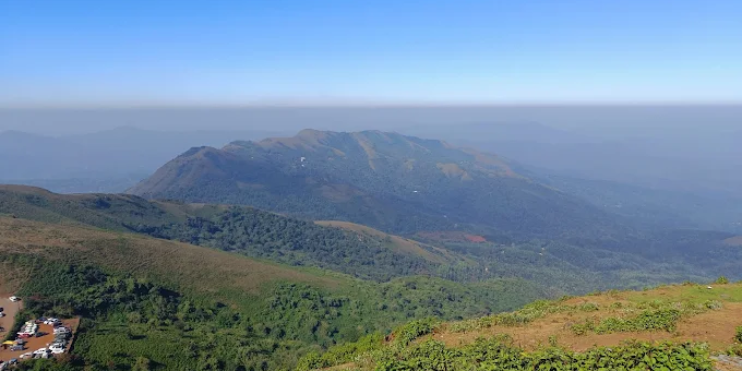
Kemmannugundi is known for its cool weather, trekking paths, and great viewpoints. It’s a refreshing nature spot close to the temple, and its beautiful scenery makes your weekend trip even more enjoyable.

Amruteshwara Temple

Amruteshwara Temple

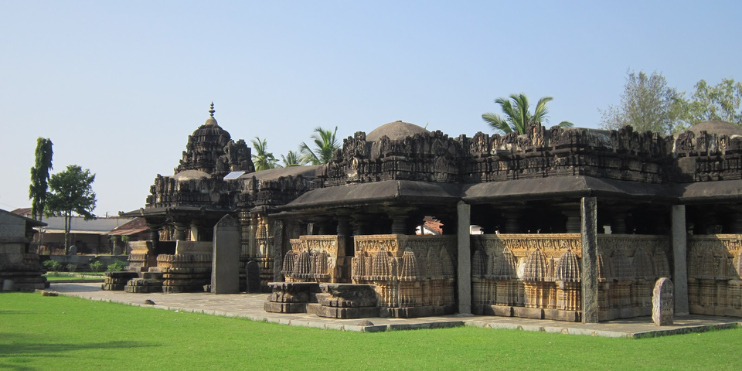
This 12th-century Hoysala temple features beautiful architecture and sits by a quiet river. Visiting here lets you enjoy both the area’s cultural history and its peaceful, spiritual side, along with your trip to the Tarikere Sri Subramanya Temple.

Veerabhadreshwara Temple

Veerabhadreshwara Temple

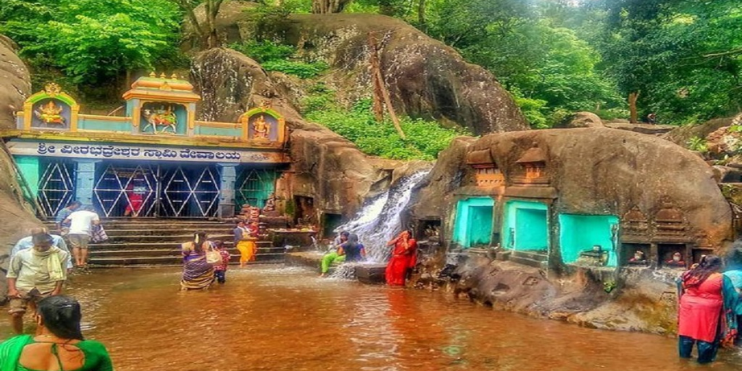
The Veerabhadreshwara temple has a unique history and gives you great views of Kallathigiri Falls. It adds even more to your cultural and spiritual journey in the area.

Practical Tips for a Fulfilling Pilgrimage

A little planning helps you get the most out of your visit to the Tarikere Sri Subramanya Temple. Following temple rules and local customs will make your spiritual experience even better.

  • Dress modestly and comfortably.
  • Carry water, light snacks, and suitable footwear.
  • Engage in rituals with focus and reverence.

Planning for Families

Families can involve children by exploring the surroundings, enjoying nature walks, and combining spiritual experiences with leisurely activities nearby.

Spiritual Preparation

Understanding the cultural significance and preparing mentally for meditation and prayer allows for a deeper, more fulfilling experience at the Sri Subramanya Temple.

Stay at Ranga Taana Resort, The Perfect Retreat Near Kemmangundi

Stay at Ranga Taana Resort, The Perfect Retreat Near Kemmangundi

If you’re planning a longer stay, Ranga Taana Resort offers comfortable rooms near Kemmannugundi. We’re known for our peaceful setting, modern comforts, and friendly service. Staying here is a great way to relax and make the most of your spiritual trip to the Tarikere Sri Subramanya Temple.

Location and Convenience

Our resort in Kemmangundi is close to the Sri Subramanya Temple, Kemmannugundi, and other local sights. We’re easy to reach from Chikmagalur, Shimoga, and Bangalore, and we provide a cozy, convenient place for you to enjoy both spiritual and nature experiences.

Relaxation and Activities

You can start your day with coffee and beautiful hill views, join evening bonfires, take peaceful nature walks, go trekking, or join guided tours. At our Kemmangundi resort, we offer both relaxation and adventure, so your stay is both fun and refreshing.

Conclusion

The Tarikere Sri Subramanya Temple brings together spiritual devotion, culture, and natural beauty. You can take part in rituals, enjoy the peaceful setting, and feel close to Lord Subramanya. Visiting the temple, exploring nearby sights, and staying at a friendly resort in Kemmangundi make for a weekend that refreshes your body, mind, and spirit.

Experience comfort and tranquility at Ranga Taana Resort, the ideal base. Enjoy comfort and peace at Ranga Taana Resort, the perfect place to start your journey in Tarikere and Kemmannugundi. Book your stay and make your spiritual and nature trip one to remember.

Enquire/Know more about Ranga Taana Resort

Best nature stay among resorts in Chikmangalur

    A Misty Escape to Manikyadhara Falls in Baba Budangiri Hills

    Nestled in the peaceful Baba Budangiri Hills of Chikmagalur, Manikyadhara Falls offers a refreshing blend of mist, spirituality, and scenic charm. Flowing throughout the year, this spring-fed waterfall is surrounded by dense greenery and a quiet energy that invites reflection. Travelers visiting Manikyadhara Falls in Chikmagalur often leave feeling calmer and more connected to nature.

    As one of the best waterfalls in Chikmagalur, it has become a go-to for family trips, weekend getaways, and anyone seeking a serene mountain escape.

    The Magic of Manikyadhara Falls

    The Magic of Manikyadhara Falls

    Among the many waterfalls in Chikmagalur, Manikyadhara Falls captures attention with its mist-covered trails, forested surroundings, and spiritual atmosphere. The falls run year-round, fed by a spring, making it a dependable and calming destination.

    Location and Landscape

    Just 1 km from the Baba Budan Giri shrine, Manikyadhara Falls, Chikmagalur, rest in the heart of the Western Ghats. The water descends from about 30 feet, always cool and consistent, even in the warmer months.

    Visitors walk through lush Shola forests, breathe in the mountain air, and enjoy the peaceful views. For many, the journey to the falls is just as memorable as the falls themselves. This is one of the more tranquil waterfalls in Chikmagalur to visit.

    A Spiritual Oasis

    Locally called Nellikayi Theertha, this place holds spiritual significance for both Hindus and Muslims. Bathing in the waters is believed to bring healing and blessings. The falls are seen not only as a natural wonder but as a sacred place to pause and reflect.

    Around the falls, small shops offer herbal remedies, incense, and religious items. These local touches deepen the cultural richness of Manikyadhara Falls, Chikmagalur.

    The Legend and History Behind the Falls

    The Legend and History Behind the Falls

    Stories about Manikyadhara Falls have passed through generations, and many who visit do so with these legends in mind. The spiritual background is part of what gives the falls a lasting place in the hearts of pilgrims and travelers.

    Baba Budan’s Blessing

    According to local legend, Sufi saint Baba Budan and his followers were searching for water in these hills. After they prayed, a stream appeared from the rocks. That flowing water became what people now call Manikyadhara Falls.

    This origin story continues to inspire reverence. Many visitors come to Manikyadhara Falls, Chikmagalur, for both its story and the peaceful surroundings.

    What “Manikyadhara” Means

    In Kannada, “Manikyadhara” translates to “String of Pearls.” As the water flows over dark rock, it glistens in the light, looking like a sparkling necklace.

    The name captures the falls’ quiet elegance and has helped cement their place among the best waterfalls in Chikmagalur.

    Healing Waters and Cultural Significance

    Local tradition holds that bathing in the waters of Manikyadhara Falls can heal ailments and bring clarity. People come here for both physical and spiritual cleansing. Annual visits and pilgrimages keep the stories and customs alive.

    This deep-rooted belief adds to the identity of Manikyadhara Falls, Chikmagalur, drawing those who seek more than just scenery.

    How to Get There – A Quick Travel Guide

    How to Get There – A Quick Travel Guide

    Reaching Manikyadhara Falls is simple, whether you’re driving in from a nearby town or planning a longer journey. Here’s how to get there with ease.

    Location and Address

    Manikyadhara Falls, Chikmagalur, is located at:

    CQCC+R2F, Mullayanagiri – Manikyadhara – Bababudangiri, Inam Dattathreya Peeta, Karnataka 577131.

    A short stairway walk from the Baba Budangiri shrine leads to the falls. The route is manageable for most visitors.

    Reaching from Major Cities

    • From Bangalore: Around 280 km (6–7 hours via NH75)
    • From Mangalore: Around 170 km (4 hours via SH57)
    • From Chikmagalur: About 35 km (1–1.5 hours by road)

    Thanks to its distance and well-maintained roads, Manikyadhara Falls, Chikmagalur, is an excellent pick for a weekend trip.

    Parking and Accessibility

    • Free parking near the base
    • Stair access is straightforward, but may be slippery when wet
    • Bring non-slip shoes, water, and a jacket

    These practical tips make Manikyadhara Falls a comfortable visit for families and solo explorers alike. It continues to be a standout among the best waterfalls in Chikmagalur.

    What You’ll Experience at Manikyadhara Falls

    What You'll Experience at Manikyadhara Falls

    There’s something truly serene about Manikyadhara Falls that makes you want to pause and soak in the experience. The setting invites you to engage with nature and connect with local life.

    Nature’s Tranquility

    Surrounding Manikyadhara Falls is a quiet landscape shaped by mist, forest trails, and the sound of flowing water. The constant breeze and cool temperature make it a favorite for:

    • Nature lovers seeking fresh air and silence
    • Photographers looking for soft lighting and misty backgrounds
    • Wildlife watchers spotting birds and butterflies

    Local Culture and Market

    The walkway to Manikyadhara Falls, Chikmagalur, includes a stretch of stalls selling:

    • Traditional herbal mixtures
    • Small religious items
    • Regional snacks and warm drinks

    These vendors often share stories about the falls and help visitors understand their spiritual relevance.

    Safety and Cleanliness

    While the area is generally safe, visitors should be cautious:

    • The steps and rocks may be slick from the mist
    • Carry your own trash out and avoid using single-use plastic

    Efforts to keep the area clean preserve the beauty and importance of Manikyadhara Falls, supporting its place among the best waterfalls in Chikmagalur.

    Best Time to Visit Manikyadhara Falls

    Best Time to Visit Manikyadhara Falls

    Planning your visit to Manikyadhara Falls around the seasons can really enhance your experience. Here’s what to consider before you go.

    Ideal Visiting Season

    The period from August to March is generally best for visiting Manikyadhara Falls, Chikmagalur:

    • Post-monsoon greenery is rich and vivid
    • Water levels stay high and steady
    • Cooler weather enhances the experience

    The steady flow of Manikyadhara Falls continues into the summer months, making it dependable among waterfalls in Chikmagalur.

    Timing Your Visit

    Morning visits offer several advantages:

    • Fewer crowds
    • Peaceful environment
    • Good lighting for photos

    You can visit the falls any day of the week from 7:00 AM to 7:00 PM, giving you plenty of time to take in all the sights.

    Beyond the Falls – Things to Explore Nearby

    If you’re visiting Manikyadhara Falls in Chikmagalur, you’ll find several attractions nearby that can round out your trip.

    Baba Budangiri Shrine

    Baba Budangiri Shrine

    Adjacent to the falls, this shrine draws people from different faiths. The peaceful setting and scenic backdrop add to the visit.

    Mullayanagiri Peak

    Mullayanagiri Peak

    As Karnataka’s highest point, Mullayanagiri provides:

    • Scenic hiking paths
    • Sunrise viewpoints
    • Wide panoramic views

    Its proximity to Manikyadhara Falls makes it a logical next stop for travelers.

    Chikmagalur Coffee Trails

    A short drive leads to the town’s signature coffee estates. Explore:

    • Guided plantation tours
    • Freshly brewed local coffee
    • Small cafes tucked into the hills

    Trekking and Nature Walks

    Several forest routes around Manikyadhara Falls, Chikmagalur, offer a chance to explore untouched nature. The walk from Datta Peetha is especially scenic.

    Sample Itinerary – A Weekend Escape from the City

    This itinerary helps you make the most of your time at Manikyadhara Falls, Chikmagalur.

    Day 1 – Travel + Exploration

    • Leave early from Bangalore or Mangalore
    • Stop for lunch or a coffee estate tour in Chikmagalur
    • Head to Baba Budangiri and settle in nearby

    Day 2 – Manikyadhara Falls & Return

    • Visit Manikyadhara Falls in the morning
    • Explore nearby viewpoints and the shrine
    • Pick up souvenirs and start the return journey

    Stay with Us at Ranga Taana Resort – Your Nature Retreat

    Stay with Us at Ranga Taana Resort – Your Nature Retreat

    After spending time at Manikyadhara Falls, unwind at Ranga Taana Resort, a serene resort in Chikmagalur located in Tarikere Taluk. Whether you’re relaxing after a day of exploring the hills or planning a peaceful weekend, it’s one of the best resorts in Chikmagalur for reconnecting with nature in comfort.

    Unwind in Comfort After a Day of Exploration

    Relax after your visit to Manikyadhara Falls, Chikmagalur, with cozy rooms, hearty local cuisine, and peaceful surroundings at our resort. As a top-rated resort in Chikmagalur, we offer the perfect setting to recharge, unwind, and enjoy nature’s quiet rhythms—just what you need after a day of exploration at one of the region’s most serene spots. Discover why so many guests consider us among the best resorts in Chikmagalur.

    Why Choose Ranga Taana?

    Our resort offers comfortable accommodations, beautiful natural surroundings, and easy access to nearby attractions like Manikyadhara Falls. We take pride in being recognized as a top-rated resort in Chikmagalur, offering guests a peaceful and rejuvenating stay among the best resorts in Chikmagalur.

    Visit Ranga Taana Resort online to book your stay at a top-rated resort in Chikmagalur. Discover the comfort, location, and natural beauty that make us one of the best resorts in Chikmagalur, perfect for your escape near Manikyadhara Falls, Chikmagalur.

    Conclusion

    Manikyadhara Falls offers a rare blend of scenic charm, spiritual heritage, and easy accessibility that appeals to all kinds of travelers. From its cool, steady waters and lush Shola forests to its deep-rooted legends and healing traditions, the experience here lingers long after you leave. The nearby attractions, local markets, and tranquil environment make it a valuable stop on any itinerary through Chikmagalur.

    If you’re seeking a refreshing destination filled with both natural beauty and cultural significance, Manikyadhara Falls in Chikmagalur is worth the journey.

    Book your stay at Ranga Taana Resort and let the Western Ghats welcome you with comfort and calm. Make your nature retreat truly memorable with us.

    FAQs – Everything You Need to Know

    What is the story of Manikyadhara Falls?

    Manikyadhara Falls came into existence after Baba Budan prayed for water, and a stream emerged from the mountain.

    What is the height of the falls?

    Manikyadhara Falls in Chikmagalur is around 30 feet tall.

    Why is it called Manikyadhara?

    “Manikyadhara” translates to “String of Pearls”, reflecting the sparkle of the falling water.

    Are there any entry or parking fees?

    No, both entry and parking are free at Manikyadhara Falls.

    Enquire/Know more about Ranga Taana Resort

    Best nature stay among resorts in Chikmangalur

      Mist, Mountains, and Magic: Early Morning at Jenukallu Gudda

      As the first light creeps over the Western Ghats, Jenukallu Gudda awakens in layers of mist and soft gold. Hills unfold slowly, wrapped in quiet and cool air that brushes past your skin. This is the kind of morning that commands your attention without saying a word.

      Tucked away in Karnataka’s lush highlands, Jenukallu Gudda draws in those seeking more than just a view. Whether you’re planning a trek, a peaceful retreat, or a family escape, this hidden peak offers a sunrise you’ll never forget. And for weekend travelers from Bangalore and Mangalore, it’s closer than you think.

      The Morning Magic Unfolds: A Scene Out of a Dream

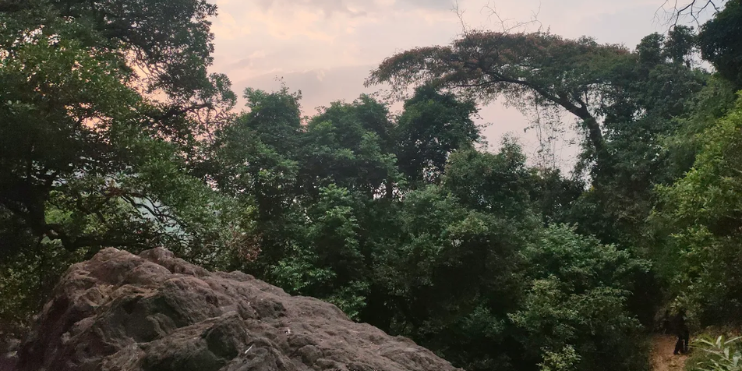
      A serene sunset view of mountains and a river, with soft golden light illuminating the landscape and reflecting on the water.

      Waking up at dawn at Jenukallu Gudda feels like stepping into a slow-motion film. The Western Ghats stir under a blanket of mist, as golden light softly spills over the horizon. Silence stretches across the hills, broken only by the distant calls of birds and the crunch of boots on damp trails.

      This serene hour draws nature seekers, families, and trekking enthusiasts to this lesser-known destination. Whether you’re here to explore or unwind, mornings at Jenukallu Gudda offer a rare sense of calm.

      A Landscape Painted by Mist

      Clouds drift slowly across the hillsides, curling around the slopes like rising smoke. The mist moves with purpose, shaping and reshaping the view as you walk. For every few steps forward, the landscape tells a slightly different story.

      The journey along the Jenukallu Gudda trek comes alive in these shifting layers. The forest and peaks become a living mural where light and shadow dance throughout the early hours.

      Peaceful Reflections for Nature Lovers

      The early stillness at Jenukallu Gudda gives space for reflection. The cool breeze, pastel skies, and silent woods create a mood perfect for slowing down. Many visitors sit quietly, sipping tea or journaling in the early light.

      The Jenukallu Gudda trek can be meditative—more than movement, it becomes a moment to reset. The surroundings, untouched and hushed, offer a clarity that stays with you long after the trail ends.

      Where Is Jenukallu Gudda? The Location Behind the Magic

      A panoramic view of mountains and clouds from a high vantage point, showcasing the beauty of the Western Ghats.

      Located in the heart of the Western Ghats, Jenukallu Gudda is found in two distinct spots across Karnataka. One lies in Uttara Kannada near Magod, while the other stands near Sakleshpur in the Hassan district.

      Each offers a different experience. Both locations provide beautiful views, access to thick forests, and an introduction to the diverse landscapes of the region. Knowing this helps with planning and figuring out how to reach Jenukallu Gudda.

      Viewpoint in Magod, Uttara Kannada

      In Magod, Jenukallu Gudda sits at around 450 meters above sea level. This spot overlooks deep valleys framed by dense forest, ideal for catching a quiet sunrise.

      It’s easily accessible and less demanding physically. Visitors often drive to the viewpoint, making it a favorite for shorter getaways and photo stops.

      Second-Highest Peak in Karnataka

      Near Sakleshpur, Jenukallu Gudda rises among the tallest peaks in Karnataka. On clear days, you can see as far as the Arabian Sea. The route takes you through remote coffee plantations and wild jungle paths.

      This location suits those looking for a trekking adventure. The mist hangs heavier here, the air is cooler, and the trail more immersive—ideal for anyone taking on the Jenukallu Gudda trek.

      The Jenukallu Gudda Trek Experience

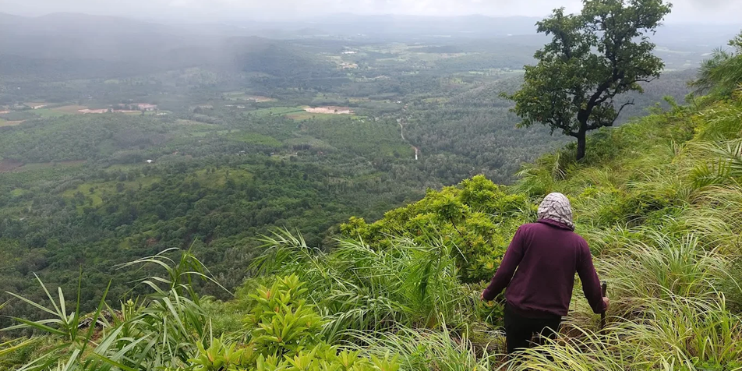
      A solitary tree stands atop a mountain, overlooking a vast valley, showcasing the beauty of the Jenukallu Gudda trek.

      Trekking at Jenukallu Gudda offers a rewarding mix of scenery, wildlife, and moderate challenge. It’s well-suited for newcomers to trekking, families with older children, and anyone eager to explore without extreme difficulty.

      The surroundings evolve along the trail. From shaded paths to ridgeline walks, the Jenukallu Gudda trek keeps things interesting and visually rich.

      Trek Details & Distance

      The Jenukallu Gudda trek distance measures about 7–8 km round trip. Most complete the route in 3–4 hours. If you begin at Betta Byraveshwara Temple, the journey may take closer to 4–5 hours.

      The terrain is a blend of uphill paths, clearings, and shaded trails. This option is perfect for those with a bit of fitness background who enjoy walking, as it offers difficulty levels from easy to moderate.

      Trek Route

      The most popular starting point is the Betta Byraveshwara Temple. The path begins with a gentle incline under tree cover and gradually opens to grasslands with panoramic views.

      Trekkers pass through dense woods and climb ridgelines that offer sweeping sights of valleys and hilltops. The variety keeps the Jenukallu Gudda trek engaging from start to finish.

      Trek Requirements

      It’s safest and more enjoyable to trek in a group. A minimum of five people is often advised, both for permits and for safety in forested areas.

      Bring enough drinking water, some snacks, and well-fitting trekking shoes. The earlier you begin, the better—the sunrise adds a glowing layer to everything, and the mist is usually thickest before 8 AM.

      When to Visit: Seasons of Beauty and Mist

      A sunset view of a valley surrounded by mountains, with vibrant colors illuminating the landscape.

      Planning a visit to Jenukallu Gudda means paying attention to the seasons. September through January is the most rewarding window. The monsoon has passed, and the region stays fresh and vibrant.

      Early winter brings cooler mornings, fewer crowds, and some of the clearest sunrises. This season gives the Jenukallu Gudda trek a special kind of magic.

      Weather Tips

      Right after the rains, the mist clings to the hills longer into the morning. October skies start to clear, offering wide-angle views from the summit.

      Trails can be slippery in the early monsoon and dry out by late October. Summers bring more heat and haze, which can dull the visual appeal of the trail.

      Morning Magic

      Sunrise at Jenukallu Gudda transforms the entire scene. Dew sparkles on leaves, fog glows gold, and the hills wake slowly under a brightening sky.

      Photographers and hikers agree—the early hours offer the best experience. These quiet, glowing moments give the Jenukallu Gudda trek its unique character.

      How to Reach Jenukallu Gudda

      Sunset over mountains and river, casting golden hues across the landscape, perfect for a serene trek at Jenukallu Gudda.

      Figuring out how to reach Jenukallu Gudda is key to organizing a smooth trip. Whether you’re traveling by car, bus, or train, the region is well-connected and manageable with some basic planning.

      Most trekkers head to the Sakleshpur region. From there, local transport and short drives bring you to the trailhead.

      By Road

      From Bangalore, Jenukallu Gudda is around 250 to 265 kilometers away. Expect the drive to take around 6 to 7 hours if you’re traveling along NH75 through Hassan and Sakleshpur.

      It’s a scenic journey with numerous roadside stops and breathtaking views. Many travelers opt to reach Sakleshpur a day early, stay overnight, and then head to the base by morning.

      Public Transport Options

      Buses and trains connect Bangalore and Mangalore to Sakleshpur. Once in Sakleshpur, you can hire a jeep or cab to reach the trail starting point near Betta Byraveshwara Temple.

      For those relying on local connections, understanding how to reach Jenukallu Gudda via public routes is especially helpful.

      Navigation Tip

      The region has patchy mobile coverage, so downloading offline maps helps. If possible, trek with someone who knows the area or arrange for a guide through your homestay.

      Start your journey early to beat the afternoon heat and make the most of the soft, golden light that defines the Jenukallu Gudda trek.

      Things to See and Do: Beyond the Trek

      The image shows two views of a temple set against a mountain backdrop, highlighting the area's natural beauty and cultural significance.

      The area surrounding Jenukallu Gudda provides plenty to explore once the hike is complete. With nature trails, cultural sites, and quiet spots to unwind, it’s a well-rounded escape.

      Coffee plantations, forest paths, and viewpoints offer a variety of experiences for travelers looking to spend a full weekend outdoors.

      Nearby Attractions

      After completing the Jenukallu Gudda trek, many visitors check out Manjarabad Fort or Bisle Ghat Viewpoint. Each place adds depth to the journey, showing different angles of Karnataka’s hill country.

      Spiritual travelers may also enjoy a stop at Kukke Subramanya Temple, located within a short drive from the trail region.

      Flora and Fauna

      The forest around Jenukallu Gudda supports a wide range of life. Birdwatchers can spot hornbills, drongos, and other native species. Butterflies and insects fill the air in the early morning.

      Take time along the shaded trail to appreciate the smaller details—wildflowers, fungus-covered logs, and the slow rhythm of the forest.

      Photography and Memories

      Bring your camera. The scenery around Jenukallu Gudda demands more than a phone snap. A wide-angle lens helps capture sweeping views, while a tripod is useful for misty, low-light shots.

      Photographers often set up near the summit or along the ridgelines to catch the sunrise. These photos carry the feeling of the place home with you.

      Tips for First-Time Visitors and Families

      Heading to Jenukallu Gudda for the first time? A few practical steps will help make the trip smooth and enjoyable. From fitness levels to food packing, small decisions add up. Think of this section as your go-to checklist before stepping onto the trail.

      For Families

      Kids over 11 can usually manage the Jenukallu Gudda trek with the right pace and gear. The trail’s length and slope are manageable for teens and pre-teens used to walking.

      Carry snacks, extra water, a small first-aid kit, and something warm for the morning chill. A hat and sunscreen come in handy later in the day.

      For Weekend Travelers

      Plan to leave Bangalore or Mangalore early enough to reach Sakleshpur before nightfall. Resting in a local homestay helps ensure you’re up and ready for the trek by sunrise.

      Pack light for the trail, but bring extra clothes for the drive back. The air in these hills shifts quickly, and layers help you stay comfortable.

      For Nature Lovers

      Take your time. The Jenukallu Gudda trek offers more than a destination. Listen to the birds, feel the mist, and watch how the light changes.

      Stop at local cafes, try estate-grown coffee, and talk to the people who call this region home. These moments give the trip texture and personality.

      Where to Stay: Unwind with Us at Ranga Taana Resort

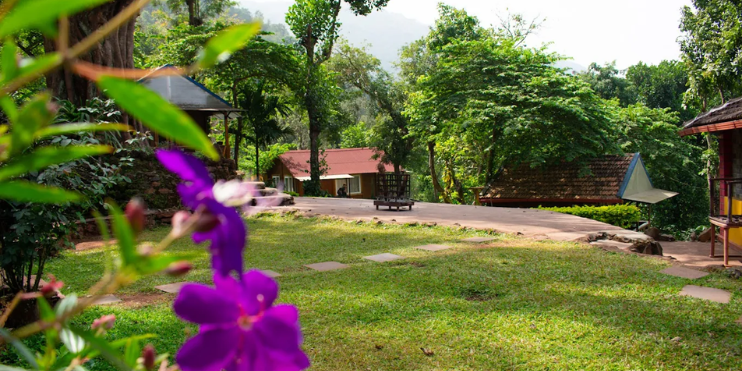
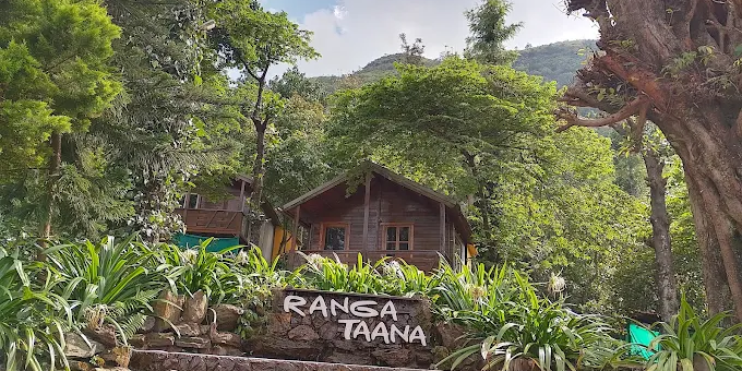
      Two wooden cabins nestled in a lush forest, offering a serene retreat at Ranga Taana Resort in Kemmangundi.

      After a full day outdoors, finding the right place to rest is essential. Ranga Taana Resort in Tarikere Taluk, Chikmagalur, provides a quiet and comfortable space surrounded by natural beauty.

      For those exploring the area and seeking a peaceful resort in Kemmangundi, our property offers easy access to trekking spots and nearby sights.

      Why Choose Ranga Taana

      With private cottages, homemade local food, and forest views, Ranga Taana Resort balances comfort and simplicity. Whether you’re traveling solo or with a group, our team welcomes you with care.

      If Jenukallu Gudda is on your list, our resort in Kemmangundi keeps you close to nature while offering the amenities you need to relax afterward.

      A Gateway to Adventure

      At Ranga Taana Resort, mornings start with mist over the hills and the smell of fresh coffee. It’s an ideal base for planning your day around nearby trails or simply enjoying the quiet.

      We help guests with route advice, local guides, and transportation options for the Jenukallu Gudda trek. For anyone looking for a reliable resort in Kemmangundi, this is a natural choice.

      Conclusion

      Jenukallu Gudda brings together misty mornings, scenic treks, and serene forest escapes. With two distinct locations—Magod in Uttara Kannada and the higher summit near Sakleshpur—it offers something for every kind of traveler. The Jenukallu Gudda trek provides gentle adventure for beginners and families, weaving through coffee plantations, jungle paths, and ridgelines. Best experienced from September to January, this destination is known for golden sunrises, shifting fog, and bird-filled silence.

      Getting there is straightforward, with access from Bangalore, Mangalore, or Sakleshpur, and a variety of transport and stay options. From trek details and weather tips to local attractions and photography spots, planning your trip to Jenukallu Gudda ensures a meaningful outdoor experience. Every step through this trail is a reminder to slow down, look closely, and enjoy the stillness.

      Looking for the perfect place to stay? Ranga Taana Resort is your restful retreat in Tarikere Taluk. Book your stay today and let the hills, coffee, and morning mist welcome you.

      Enquire/Know more about Ranga Taana Resort

      Best nature stay among resorts in Chikmangalur

        Explore the Karnataka Coffee Museum in Chikmagalur

        Chikmagalur, a charming hill town in Karnataka, is often referred to as the “Land of Coffee.” Nestled within the Western Ghats, this idyllic retreat offers breathtaking landscapes, aromatic coffee plantations, and a rich cultural tapestry woven around the coffee bean. 

        One of its most captivating stops is the Karnataka Coffee Museum, a must-visit for coffee lovers, curious travelers, and families seeking educational adventures. Whether you’re on a weekend getaway or exploring the broader Karnataka coffee trail, this immersive museum experience connects you with the story of Indian coffee and the region’s legacy.

        Chikmagalur, The Root of India’s Coffee Story

        Chikmagalur, The Root of India's Coffee Story

        Located among the hills of the Western Ghats, Chikmagalur is where India’s romance with coffee began. The town’s cool climate, misty hills, and fertile soil have made it the backbone of the country’s coffee industry and a focal point of the Karnataka coffee trail.

        What Is the Story of Chikmagalur Coffee?

        Legend tells us that a 17th-century Sufi saint, Baba Budan, took a bold step by sneaking seven coffee beans from Yemen to India, all while keeping them hidden in his robe. He planted them in the hills near Chikmagalur, sparking the birth of Indian coffee. These hills, now called Baba Budangiri, are revered for their religious significance and as the birthplace of Indian coffee history.

        The unique climatic conditions of the Western Ghats nurtured the coffee plant, and soon, sprawling estates dotted the region. This laid the foundation for what would become one of the most famous coffee plantations in Karnataka.

        Why Chikmagalur Is Called the Land of Coffee

        With its rich estates, preserved environment, and top coffee output, Chikmagalur truly owns the title “Land of Coffee.” The area plays an essential role in agriculture and draws visitors interested in eco-tourism, offering plenty of things to do in Chikmagalur while savoring a cup of freshly brewed filter coffee.

        What You’ll Discover Inside the Coffee Museum

        What You'll Discover Inside the Coffee Museum

        The coffee museum in Chikmagalur offers an immersive experience that tells the full story of coffee—from bean to brew. Perfect for families, students, and coffee aficionados, the museum makes learning interactive and enjoyable.

        Exhibits that Tell a Story

        Visitors are first greeted with picture galleries and short documentary films that explore Indian coffee history. These exhibits trace coffee’s journey from Ethiopia to Yemen and finally to Chikmagalur, where it took root and flourished.

        Detailed displays map global trade routes and highlight Chikmagalur’s place in this international network, helping visitors see the local impact on a global industry.

        From Bean to Cup, The Processing Section

        This section showcases vintage machinery used in roasting, grinding, and brewing. Through guided displays and hands-on exhibits, you can see each step of coffee processing.

        This area is popular with children and curious visitors who want to understand what goes into every cup of coffee. It’s a highlight for those searching for informative things to do in Chikmagalur.

        Growing Coffee, See It Live

        One of the museum’s standout features is its indoor display of live coffee plants. Here, visitors can see how coffee is cultivated, harvested, and maintained.

        Educational signage helps demystify the agricultural process, giving a new appreciation for the effort behind every brew. This section offers a tangible link to the nearby coffee plantations in Karnataka.

        What Makes a Coffee Museum Unique?

        The museum blends storytelling, sensory experience, and historical insight. It explores the cultural, economic, and environmental aspects of coffee farming in Karnataka. It’s a highlight along the Karnataka coffee trail, deepening your understanding of the region’s coffee role.

        The History of the Karnataka Coffee Museum

        The History of the Karnataka Coffee Museum

        This museum stands as a tribute to Karnataka’s coffee legacy. Established with the vision of preserving the heritage of coffee cultivation, the museum represents the region’s historical and cultural importance.

        A Tribute to Karnataka’s Coffee Heritage

        Established by the Coffee Board of India, the museum serves as an educational hub that honors the past while promoting awareness for future generations. It preserves artifacts, photographs, and literature that chronicle the growth of coffee plantations in Karnataka. The exhibits are curated to inspire pride and educate visitors about Karnataka’s pivotal role in the global coffee narrative.

        A Space for Learning and Appreciation

        Designed for all age groups, the museum makes coffee education accessible and engaging. It’s especially impactful for students learning about agriculture, trade, and culture.

        For adults, the museum offers a nostalgic look at how coffee became a cultural staple in Indian households. It’s one of the more enriching places to visit in Chikmagalur.

        Planning Your Visit: Essentials and Tips

        Planning Your Visit_ Essentials and Tips

        If you’re adding the coffee museum in Chikmagalur to your itinerary, a little planning helps make your visit smooth. From how to get there to the best season to visit, here’s what you need to know.

        How to Reach the Coffee Museum in Chikmagalur

        Located in the charming town of Chikmagalur, the museum is reachable by a variety of transport methods:

        • By Road: Well-connected highways make driving from Bangalore (~250 km), Mangalore (~150 km), and Mysore (~180 km) a scenic and convenient option. KSRTC buses and private taxis also operate regularly.
        • By Train: If you’re looking for the nearest railway station, it’s Kadur, situated around 40 km from Chikmagalur. From here, you have the option to hire a taxi or catch a local bus to get to your destination.
        • By Air: Mangalore is the closest airport. After arriving, you have the option to drive or take a cab for the roughly 4-hour ride to Chikmagalur.

        Travel options are flexible, making it one of the most accessible Chikmagalur attractions to include in your travel plan.

        Best Time to Visit the Coffee Museum

        Consider visiting from October to March, as this is when the weather is cool and dry, ideal for exploring the museum and the charming coffee plantations in Karnataka. The monsoon season (June to September) adds lush greenery to the landscape but can sometimes disrupt travel. Choose your season based on your comfort with rain and road conditions.

        Timings and Entry Fee

        The museum is open to the public from:

        Timing: Visitors are welcome from Monday to Friday, 10:00 AM to 5:00 PM.
        Closed: Saturday and Sunday
        Entry Fee: INR 20 per person, making it an affordable and family-friendly destination.

        Accessibility and Facilities

        Facilities include:

        • Wheelchair-accessible restrooms
        • Nearby parking areas
        •  Cafés within walking distance

        All of which make the coffee museum in Chikmagalur welcoming and convenient for all types of travelers.

        Things to Do Near the Coffee Museum

        Things to Do Near the Coffee Museum

        Your trip doesn’t have to end at the museum. The surrounding area is full of delightful stops that complement your journey along the Karnataka coffee trail.

        Relax at a Local Café

        After your museum tour, unwind at one of the local Chikmagalur cafés. These spots serve freshly brewed filter coffee using beans sourced from nearby estates. The ambiance is cozy and is often surrounded by greenery.

        Visit Mahatma Gandhi Park (Rathnagiri Bore)

        Located just 10 minutes from the museum, this park is ideal for a relaxed stroll or a family picnic. It offers beautiful hill views and play areas for children.

        Explore Coffee Estates Around Town

        Smaller coffee estates around Chikmagalur offer quick tours or picturesque roadside views. These are perfect for:

        • Casual visitors who want a glimpse of estate life
        • Pjotography enthusiasts
        • Short, spontaneous walks

        Browse Local Shops and Markets

        Chikmagalur markets are known for their fresh coffee beans, powder, and handcrafted souvenirs. Support local artisans and take a piece of your journey home.

        Visit Coffee Plantations in Karnataka

        Several plantations offer guided tours, stays, and tasting sessions. Booking in advance is recommended for a more immersive experience.

        Explore Nature and Heritage

        Explore Nature and Heritage

        https://cwsindia.org/time-travel-through-the-history-of-bhadra-wildlife-sanctuary-past-present-and-the-imperative-future/

        Nearby attractions include:

        Mullayanagiri, the tallest peak in Karnataka, offers stunning views and a moderate trek that rewards you with sweeping vistas of the Western Ghats. It’s a great spot for sunrise watching and nature photography.

        Hebbe Falls is a spectacular two-stage waterfall nestled deep in the forest, accessible via a short trek or jeep ride. The misty surroundings and natural pools make it a refreshing getaway.

        Bhadra Wildlife Sanctuary is a true paradise for wildlife enthusiasts and birdwatchers alike. It’s home to majestic tigers, leopards, elephants, and boasts over 250 different species of birds! Safari rides provide a chance to explore its rich biodiversity.

        These are ideal for weekend adventurers and families seeking nature-rich things to do in Chikmagalur.

        Sample Local Flavors

        Enjoy local cuisine and try coffee-themed treats. Some shops even offer spice mixes and organic snacks sourced from plantation-grown ingredients.

        Stay with Us at Ranga Taana Resort, Your Coffee Trail Basecamp

        Stay with Us at Ranga Taana Resort, Your Coffee Trail Basecamp

        When your day winds down, return to comfort at Ranga Taana Resort. Located near Kemmangundi in Tarikere Taluk, it’s your perfect base for exploring Chikmagalur attractions. At Ranga Taana, we offer a stay that connects you to nature. Surrounded by greenery and close to the coffee museum in Chikmagalur, our property is a peaceful escape after a day of exploration.

        Whether you’re visiting with loved ones or on a solo adventure, our resort offers comfort and access to the most engaging places to visit in Chikmagalur. Guests appreciate the combination of serenity and convenience that places us among the best resorts in Chikmagalur.

        Recognized as one of the best resorts in Chikmagalur, Ranga Taana blends modern amenities with rustic charm. Our goal is to be your relaxing retreat after an inspiring day on the Karnataka coffee trail.

        Final Thoughts

        The coffee museum in Chikmagalur brings together history, agriculture, and culture in one memorable experience. Visitors can follow the fascinating story of coffee, from Baba Budan’s legendary beans to the thriving estates across the Western Ghats. From interactive exhibits and vintage machines to live coffee plants and global trade maps, the museum offers a comprehensive look at how coffee shapes life in this region.

        For travelers exploring the Karnataka coffee trail, this stop adds depth and meaning to every sip. It’s an ideal blend of education and adventure, whether you’re discovering Indian coffee history, seeking engaging things to do in Chikmagalur, or simply enjoying the natural beauty around coffee plantations in Karnataka.

        Stay at Ranga Taana Resort to experience Chikmagalur in comfort and serenity. Book your stay today and let Coffee Land welcome you home.

        Enquire/Know more about Ranga Taana Resort

        Best nature stay among resorts in Chikmangalur

          Top Wildlife Sanctuaries to Visit in Karnataka

          Karnataka boasts an incredible variety of landscapes and wildlife, making it one of the most ecologically diverse regions in India. Known for its expansive forest cover, it hosts some of the most diverse and vibrant wildlife habitats in India. From lush green tiger reserves to serene bird sanctuaries, the state offers something for every nature lover.

          Whether you’re planning a family getaway, a birdwatching trip, or an adventurous jungle safari, Karnataka’s natural sanctuaries provide the perfect setting. This guide explores the top wildlife sanctuaries in Karnataka, highlighting their attractions, unique species, and reasons to visit these top wildlife sanctuaries during your trip to Karnataka.

          1. Bandipur Wildlife Sanctuary: Iconic Tiger Territory

          Situated along the Mysore-Ooty highway, Bandipur Wildlife Sanctuary is one of India’s most prestigious tiger reserves. Once the private hunting grounds of Mysore’s Maharajas, it is now a protected area teeming with wildlife and scenic beauty.

          • Key Species: Bandipur Wildlife Sanctuary is home to Bengal tigers, Asiatic elephants, deer, wild boars, and numerous bird species. The sanctuary also shelters sloth bears and Indian gaurs, adding to its ecological richness.
          • Visitor Experience: Visitors can enjoy guided jeep safaris and stay in eco-resorts within or near the sanctuary. Forest guides provide informative tours, ensuring a safe and educational experience for all age groups.
          • Things to Do: Popular activities include jungle safaris, birdwatching, and forest walks. The sanctuary’s biodiversity makes it a favorite among wildlife photographers and enthusiasts.
          • Best Time to Visit: The ideal time to visit Bandipur Wildlife Sanctuary is from October to May, when animal sightings are more frequent due to dry forest conditions.
          • Safari Timings: Typical safari hours run from 6:30 am to 9:00 am and from 15:30 pm to 18:00 pm. These time slots are ideal for spotting wildlife, as animals tend to be more active during the cooler parts of the day.
          • Entry Fee: The entry fee for Bandipur National Park is INR 250 for adults and INR 125 for children. Additionally, there’s an extra charge of INR 200 for using a camcorder.
          • Location: Located in the Chamarajanagar district, the sanctuary is easily accessible from both Mysore and Ooty.
          • Reasons to Visit: Its proximity to tourist hubs, rich biodiversity, and frequent tiger sightings make it one of the best wildlife sanctuaries in Karnataka.

          2. Kabini Wildlife Sanctuary & Kabini Tiger Reserve

          Set along the banks of the Kabini River, Kabini Wildlife Sanctuary, Karnataka, is famous for its breathtaking landscape and luxurious jungle lodges. It is also home to the renowned Kabini Tiger Reserve.

          • What to Expect: Visitors can experience jeep and boat safaris with a high chance of spotting tigers, leopards, elephants, and the elusive black panther. The river adds a picturesque charm to every safari.
          • Things to Do: Enjoy wildlife safaris, bird photography, boat rides, and stargazing under clear skies. The area offers a well-rounded nature experience.
          • Best Time to Visit: Plan your trip from October to March to catch animals congregating near the river, especially during the dry season.
          • Entry Fee: The entry fee for Kabini Wildlife Sanctuary (also known as Nagarhole National Park/Tiger Reserve) is INR 50 per person for Indian citizens and INR 1500 per person for foreign nationals. Additionally, separate fees apply for various safari options.
          • Safari Timing: Typically, Kabini safaris are scheduled from 6:00 to 9:00 and then from 15:00 to 18:00 . These time frames are your best bet for witnessing wildlife in their natural setting. These timings are ideal for spotting wildlife, as many animals are most active during the early morning and late afternoon hours.
          • Location: Situated in the Nanjangud region of Mysore district, Kabini Wildlife Sanctuary, Karnataka, is an ideal destination for weekend getaways from Bangalore.
          • Reasons to Visit: Its luxurious lodges, diverse wildlife, and the chance to see rare species make Kabini Tiger Reserve a top choice among wildlife sanctuaries in Karnataka.

          3. Nagarhole National Park

          Nagarhole National Park, situated within the Nilgiri Biosphere Reserve, boasts dense forests, winding streams, and a diverse array of wildlife. It’s a tranquil retreat for both nature lovers and wildlife enthusiasts. It’s less crowded than its neighbors, making for a peaceful yet thrilling visit.

          • Wildlife Highlights: The park is home to tigers, Indian bison (gaur), elephants, leopards, and wild dogs. It’s also a birdwatcher’s paradise, with over 250 species of birds making it their home.
          • Things to Do: Enjoy jeep safaris, coracle rides on the Kabini River, and guided birdwatching sessions. It’s an ideal destination for nature lovers.
          • Best Time to Visit: The best months to explore this Coorg wildlife sanctuary are November to May, avoiding the monsoon.
          • Entry Fee: The entry fee for Nagarhole National Park is ₹250 for Indian adults and ₹1,000 for foreign nationals. Additionally, there are fees for camera usage (₹200) and for parking. Safari costs are separate, with jeep safaris ranging from ₹300 to ₹500 per person.
          • Timing: Park entry is allowed from 6:00 to 9:00 and from 15:00 to 18:00. Book safaris in advance during peak season.
          • Location: Spanning the Kodagu and Mysore districts, it’s accessible from both Coorg and Mysore.
          • Reasons to Visit: With dense jungle, diverse species, and fewer crowds, Nagarhole stands out among wildlife sanctuaries in Karnataka.

          4. Dandeli Wildlife Sanctuary, Karnataka

          Known for its thrilling adventures and rich biodiversity, the Dandeli Wildlife Sanctuary in Karnataka is a haven for both wildlife lovers and adrenaline junkies. It holds the distinction of being the largest wildlife sanctuary in Karnataka, spanning a vast area, making it an ideal destination for those passionate about nature and adventure.

          • Activities: Visitors can enjoy activities such as trekking, white-water rafting, birdwatching, and camping. It’s a top destination for eco-tourism and group activities.
          • Common Sightings: The sanctuary is home to hornbills, black panthers, sloth bears, and even crocodiles along the Kali River.
          • Things to Do: From jungle safaris to river activities, Dandeli Wildlife Sanctuary in Karnataka offers a perfect blend of adventure and nature.
          • Best Time to Visit: If you’re planning a visit, aim for the months between October and April. That’s when the weather is pleasantly cool and perfect for enjoying outdoor activities.
          • Entry Fee: The entry fee for Dandeli Wildlife Sanctuary is ₹40 per person for Indian citizens and ₹80 per person for foreign nationals. Additionally, there is a separate fee for camera usage (₹100) and for a guide (₹150). 
          • Timing: Park timings run from 6:00 am – 6:00 pm, with guided safaris available during peak hours.
          • Location: Located in the Uttara Kannada district, it’s accessible from Goa and Hubli.
          • Reasons to Visit: As the largest and one of the best wildlife sanctuaries in Karnataka, Dandeli attracts nature lovers and thrill-seekers alike.

          First Largest Wildlife Sanctuary in Karnataka

          Dandeli Wildlife Sanctuary, Karnataka, is recognized as the first and largest wildlife sanctuary in Karnataka, both in terms of area and biodiversity. Spread across dense deciduous forests and riverine ecosystems, this area is home to a diverse array of wildlife and plant species. From black panthers and hornbills to crocodiles and sloth bears, the variety of fauna is impressive. It is a top destination for eco-tourism, offering activities like rafting, trekking, and birdwatching. Its vast, untamed landscape makes it a standout among Karnataka’s protected reserves.

          5. Bhadra Wildlife Sanctuary, Karnataka

          Nestled in the stunning Western Ghats, Bhadra Wildlife Sanctuary in Karnataka provides a serene escape into nature, perfect for eco-tourism enthusiasts. It is also Karnataka’s first Project Tiger reserve.

          • Flora and Fauna: With tigers, leopards, elephants, and over 300 species of birds and butterflies, this sanctuary is a remarkable hotspot for biodiversity. It’s a place where nature truly thrives!
          • Things to Do: Activities include boating, birdwatching, and nature photography. The area is ideal for peaceful retreats into the wild.
          • Best Time to Visit: Visit between October and March to enjoy clear skies and active wildlife.
          • Entry Fee:  For Indian citizens, the jeep safari costs INR 400 per person, while for children under 10, it’s INR 200. Foreign nationals pay INR 1200 per person for the jeep safari.
          • Timing: Open from 6:00 am – 6:00 pm daily.
          • Location: Situated in Chikmagalur and Shimoga districts, it’s a short drive from Tarikere and Kemmanagundi.
          • Reasons to Visit: Its tranquil setting and rich fauna make Bhadra Wildlife Sanctuary, Karnataka, a hidden gem among wildlife sanctuaries in Karnataka.

          6. Ranganathittu Bird Sanctuary

          Close to Mysore, Ranganathittu Bird Sanctuary, Ranganathittu Road, Srirangapatna, Karnataka, is a compact yet vital birding hotspot. It’s perfect for family day trips.

          • What to See: Expect to see painted storks, spoonbills, pelicans, and marsh crocodiles resting on riverbanks. 
          • Family Tip: Safe, guided boat rides are available, making it suitable for kids and elderly visitors.
          • Things to Do: Enjoy boating, birdwatching, and photography. It’s among the most accessible bird sanctuaries in Karnataka.
          • Best Time to Visit: June to November marks the migratory season and offers prime birdwatching opportunities.
          • Entry Fee: The entry fee for Ranganathittu Bird Sanctuary is ₹ 75.00 for Indian adults and ₹ 25.00 for Indian children or students. For foreign visitors, the fee is ₹ 500.00 for adults and ₹ 250.00 for children. It’s a good idea to check the latest rates with official sources before you go, since prices can change.
          • Timing: Open from 6:00 am – 5:30 pm daily.
          • Location: Located on Ranganathittu Road, Srirangapatna, Karnataka, it’s just 20 minutes from Mysore.
          • Reasons to Visit: Its high bird density and ease of access make it a top Bangalore bird sanctuary option.

          7. Bannerghatta National Park

          Located just outside Bangalore, Bannerghatta National Park is ideal for quick nature getaways and school excursions. It combines a zoo, a safari, and a butterfly park in one location.

          • Wildlife & Activities: The park includes a zoo, lion and tiger safaris, and a walk-through butterfly enclosure. It’s suitable for all age groups.
          • Things to Do: Take guided safari rides, explore the zoo, or visit the butterfly park for a colorful experience.
          • Best Time to Visit: Visit from September to January when the weather is cooler and animals are more active.
          • Entry Fee: The entry fee for Bannerghatta National Park is ₹80 for adults and ₹40 for children. Foreign tourists have a separate fee structure, with adults paying ₹400 and children ₹200. 
          • Timing: Open from 9:30 am – 5:00 pm. Closed on Tuesdays.
          • Location: Just 22 km from Bangalore, it’s one of the most convenient wildlife sanctuaries in Karnataka.
          • Reasons to Visit: As a top Bangalore bird sanctuary and safari park, it blends accessibility with education.

          8. Cauvery Wildlife Sanctuary

          Stretching across the Cauvery River basin, this sanctuary is known for its fish species and avian life. It’s a popular choice for day trips from Bangalore.

          • Popular Spots: Muthathi, Sangama, and Mekedatu are scenic points ideal for picnics, photos, and light treks.
          • Things to Do: Try licensed fishing, birdwatching, and nature walks. It’s part of the wildlife sanctuaries in Karnataka list, known for its river ecosystems.
          • Best Time to Visit: November to March offers mild weather and better visibility for spotting birds and animals.
          • Entry Fee: The entry fee for Cauvery Wildlife Sanctuary is ₹400 per person for Indian citizens. Foreign nationals may be charged a different fee, potentially around ₹1000, but it’s best to confirm with the sanctuary or Karnataka Forest Department before your visit. 
          • Timing: The sanctuary is open daily from 9:30 am to 5:30 pm.
          • Location: Covers Mandya and Chamarajanagar districts, close to Bangalore.
          • Reasons to Visit: It’s ideal for peaceful nature lovers looking for water views and a mix of wildlife.

          9. Brahmagiri Wildlife Sanctuary

          Situated on the Kerala border, this Coorg wildlife sanctuary offers scenic views, lush forests, and rare animal sightings.

          • Wildlife: You may encounter elephants, gaurs, leopards, and lion-tailed macaques in their natural habitat.
          • Things to Do: Go trekking, photograph scenic waterfalls, and enjoy birdwatching. It’s a haven for outdoor lovers.
          • Best Time to Visit: Plan between November and April for pleasant weather and optimal wildlife activity.
          • Entry Fee: The entry fee for Brahmagiri Wildlife Sanctuary is ₹50 for adults and ₹25 for children, according to Coorg Tourism.
          • Timing: Open from 6:00 am – 6:00 pm.
          • Location: Located in Kodagu district near Coorg.
          • Reasons to Visit: Its rugged terrain and lower footfall make it a top pick for serious nature lovers.

          10. Pushpagiri Wildlife Sanctuary

          Another gem in Kodagu, Pushpagiri, is rich in flora, fauna, and trekking trails. It’s known for hosting endangered birds.

          • Ideal For: Great for those who love hiking and birdwatching in remote forest settings.
          • Things to Do: Trek to Kumara Parvatha, camp in the forest, or enjoy bird photography.
          • Best Time to Visit: Visit from November to March when the trails are dry and visibility is good.
          • Entry Fee: The entry fee for Pushpagiri Wildlife Sanctuary is ₹75 per person. There are additional charges for camping, according to Coorg Tourism.
          • Timing: 6:00 am –7:00 pm.
          • Location: Somwarpet, Kodagu district.
          • Reasons to Visit: It’s one of the top wildlife sanctuaries in Karnataka for trekking and spotting rare birds.

          11. Sharavathi Valley Wildlife Sanctuary

          Located in the misty Western Ghats near Jog Falls, this sanctuary is lesser-known but rich in biodiversity.

          • Unique Sights: Expect to see king cobras, lion-tailed macaques, and flying squirrels amidst lush greenery.
          • Things to Do: Trek through dense forest, enjoy nature trails, and visit Jog Falls.
          • Best Time to Visit: October to March is best for avoiding monsoon challenges.
          • Entry Fee: The entry fee for Sharavathi Valley Wildlife Sanctuary is ₹40 for Indian citizens and ₹80 for foreigners. Jungle safari costs an additional ₹400 per person
          • Safari Timing: The sanctuary is open all day, but morning jungle safaris are from 6:00 to 8:30 in the morning, and evening safaris are from 4:00 to 6:00 in the evening. 
          • Location: Shimoga district, near Jog Falls.
          • Reasons to Visit: Off-the-beaten-path appeal with waterfalls and rare species.

          12. Mookambika Wildlife Sanctuary

          Near the spiritual town of Kollur, Mookambika Wildlife Sanctuary blends eco-tourism with heritage.

          • Biodiversity: Home to medicinal plants, elephants, leopards, and a rich forest ecology.
          • Things to Do: Explore forest trails, visit the Mookambika Temple, or observe wildlife.
          • Best Time to Visit: October to February is best for pleasant temperatures.
          • Entry Fee: The entry fee for Mookambika Wildlife Sanctuary is INR 100 per person, according to Tripadvisor. A jeep safari within the sanctuary may cost an additional ₹250-₹300, according to Digit Insurance
          • Timing: Mookambika Wildlife Sanctuary is generally open from 6:00 am to 6:00 pm. However, safari timings may vary, with morning safaris typically from 6:00 to 9:00 and evening safaris from 3:30 pm to 6:30 pm, according to Avathi.
          • Location: Udupi district.
          • Reasons to Visit: It merges religious tourism with forest adventure.

          Which are the Top Bird Sanctuaries in Karnataka

          A collage featuring various birds in their natural habitats, highlighting Karnataka's top bird sanctuaries for photography and exploration.

          Karnataka also hosts some excellent bird sanctuaries in Karnataka ideal for peaceful day trips and photography.

          • Gudavi Bird Sanctuary: Located in Shimoga, it’s known for its scenic lake and high migratory bird activity.
          • Attiveri Bird Sanctuary: Located on the Uttara Kannada–Dharwad border, it’s great for trekking and bird photography.
          • Bonal Bird Sanctuary: Located in Yadgir, it is the second-largest bird sanctuary in Karnataka with a thriving lake ecosystem.

          Which Are the Top 5 Wildlife Sanctuaries in Karnataka?

          • Bandipur Wildlife Sanctuary – One of the oldest tiger reserves in India, offering great safari experiences and close access from Mysore.
          • Kabini Tiger Reserve – A scenic wildlife destination famous for luxury lodges, boat safaris, and sightings of big cats.
          • Dandeli Wildlife Sanctuary, Karnataka – Karnataka’s largest sanctuary, known for white-water rafting, black panthers, and forest camping.
          • Nagarhole National Park – A quieter, pristine forest reserve in the Nilgiri Biosphere with rich wildlife and birdlife.
          • Bhadra Wildlife Sanctuary, Karnataka – Nestled in the Western Ghats, perfect for tranquil retreats and rich with tigers, birds, and butterflies.

          What are the Top 10 Wild Animals of Karnataka to see in wildlife sanctuaries?

          1. Tiger – India’s national animal and the apex predator in Karnataka’s major tiger reserves like Bandipur and Nagarhole.
          2. Elephant – Highly revered and commonly seen in large herds in Kabini and Dandeli forests.
          3. Leopard – Elusive and adaptable, these big cats thrive in hilly terrains and dense forests across the state.
          4. Gaur (Indian Bison) – The largest wild cattle species, known for its muscular build, and found in sanctuaries like Nagarhole.
          5. Sloth Bear – Shy and nocturnal, sloth bears feed on insects and fruits in forests such as Dandeli and Bhadra.
          6. Wild Dog (Dhole) – Endangered and highly social, these hunters roam in packs in Nagarhole and Kabini.
          7. Black Panther – A rare melanistic leopard often sighted in the Kabini Tiger Reserve region.
          8. Sambar Deer – Large and sturdy deer that serve as prey for tigers and leopards, often seen during safaris.
          9. Indian Pangolin – A solitary, nocturnal mammal covered in scales, found in protected forest areas.
          10. King Cobra – The world’s longest venomous snake, seen in dense, undisturbed habitats like the Sharavathi Valley.

          Experience Nature with Us at Ranga Taana Resort

          Two wooden cabins nestled in a lush forest, surrounded by greenery, inviting guests to experience nature at Ranga Taana Resort.

          Reconnect with the wilderness at Ranga Taana, a peaceful resort in Kemmangundi nestled near Bhadra Wildlife Sanctuary Karnataka. Located in the scenic Western Ghats of Chikmagalur, our resort serves as an ideal starting point for your adventures in the lush, forested hills.

          What We Offer

          Our resort in Kemmangundi features spacious forest-view cottages, warm Malnad-style hospitality, and all the essentials for a relaxing or adventure-filled retreat. Ideal for families, couples, and nature lovers.

          Things to Do

          Guests can trek to nearby waterfalls, spot wildlife on nature trails, or simply unwind with a bonfire and traditional cuisine under the stars. Proximity to the sanctuary enhances every outdoor experience.

          Why Choose Us

          This eco-conscious resort in Kemmangundi blends comfort and rustic charm. You’ll enjoy both peaceful forest mornings and easy access to Bhadra’s wildlife experiences.

          Plan Your Stay

          Book your stay at our forest-view resort in Kemmangundi by visiting Ranga Taana. Discover the perfect nature escape with real-time availability and exclusive packages.

          Conclusion

          Karnataka offers a remarkable mix of tiger reserves, peaceful bird sanctuaries, and forest landscapes ideal for treks, safaris, and nature retreats. From the adventure-filled Dandeli Wildlife Sanctuary, Karnataka, to the serene Ranganathittu Bird Sanctuary, Ranganathittu Road, Srirangapatna, Karnataka, every region promises a unique wildlife experience.

          Whether you’re planning a short weekend escape or a more immersive experience, there’s a wildlife sanctuary in Karnataka that fits your interests—be it photography, birding, or eco-tourism.

          Looking for the perfect place to stay? Plan your escape with Ranga Taana, a relaxing hill-view resort in Kemmangundi, and enjoy and enjoy the best of Bhadra’s wilderness and Western Ghats’ hospitality.

          Enquire/Know more about Ranga Taana Resort

          Best nature stay among resorts in Chikmangalur