Nature Lovers

12 Best Wildlife Sanctuaries & National Parks in Karnataka

The wildlife sanctuaries in Karnataka range from tiger-rich forests and riverine habitats to bird sanctuaries, the evergreen Western Ghats, and mountain reserves. That variety means the right destination depends on whether you want a jeep safari, birdwatching, trekking, river experiences, or a quieter forest trip.

Karnataka Tourism currently highlights over 20 forest reserves and sanctuaries across the state, with wildlife experiences ranging from Bandipur and Nagarahole to Bhadra, Kali, and smaller specialist reserves. 

Rather than treating every protected area as the same type of attraction, use this guide to choose the best wildlife sanctuaries in Karnataka for the experience you actually want.

Karnataka Wildlife Sanctuaries at a Glance

Wildlife Destination Region Best For Main Experience
Bandipur National Park Chamarajanagar/Mysuru Tigers, elephants Forest safari
Nagarhole National Park Mysuru/Kodagu Big cats, elephants Jeep and Kabini-side wildlife
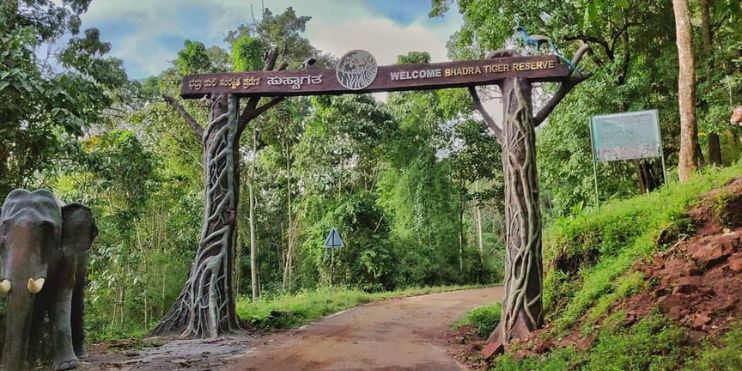
Bhadra Wildlife Sanctuary Chikmagalur/Shivamogga Tigers, birds, Western Ghats Safari and birdwatching
Dandeli Wildlife Sanctuary / Kali Tiger Reserve Uttara Kannada Hornbills, black panther habitat, adventure Safari and river activities
BRT Wildlife Sanctuary Chamarajanagar Wildlife, birds, hills Safari and birdwatching
Ranganathittu Bird Sanctuary Near Mysuru Birds, crocodiles Guided boat ride
Bannerghatta National Park Bengaluru Family wildlife experience Safari, zoo, butterfly park
Cauvery Wildlife Sanctuary South Karnataka River ecology, birds Nature and river experiences
Brahmagiri Wildlife Sanctuary Kodagu Trekking, forest wildlife Hill trails and birding
Pushpagiri Wildlife Sanctuary Kodagu Trekking Kumara Parvatha route
Sharavathi Valley Wildlife Sanctuary Shivamogga Evergreen forests Wildlife and Western Ghats scenery
Mookambika Wildlife Sanctuary Udupi Forests, wildlife, Kodachadri Nature and pilgrimage circuit

1. Bandipur National Park and Tiger Reserve
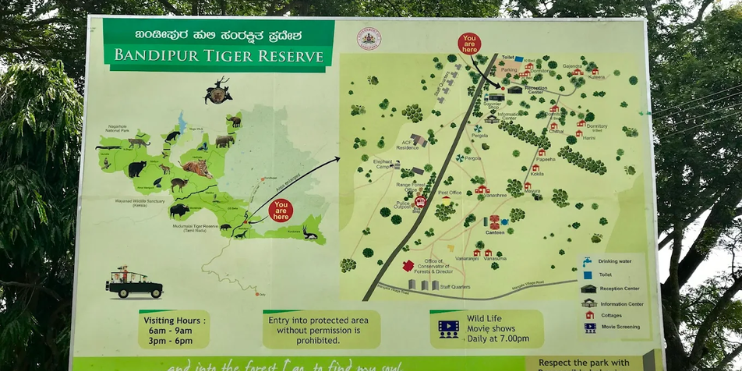
Bandipur National Park is one of the strongest choices if a traditional Karnataka wildlife safari is the main purpose of your trip.

Bandipur forms part of the Nilgiri Biosphere Reserve and covers approximately 872 sq km across parts of Chamarajanagar and Mysuru districts. Its forests connect with Nagarahole, Mudumalai, and Wayanad, creating one of southern India’s most important wildlife landscapes. 

What Can You See at Bandipur?

The reserve supports:

  • Bengal tigers
  • Asian elephants
  • Leopards
  • Dhole
  • Gaur
  • Sambar
  • Spotted deer
  • Sloth bears
  • Diverse birdlife

Wildlife is never guaranteed during a safari, so plan the trip around the forest experience rather than expecting a particular animal.

Best Time to Visit Bandipur

October to February generally provides cooler conditions, while the hotter March to May period can concentrate animals closer to remaining water sources. Monsoons bring dense green vegetation and may affect access. 

Best for: First-time safari travellers, families, and wildlife photographers.

2. Nagarhole National Park and the Kabini Landscape
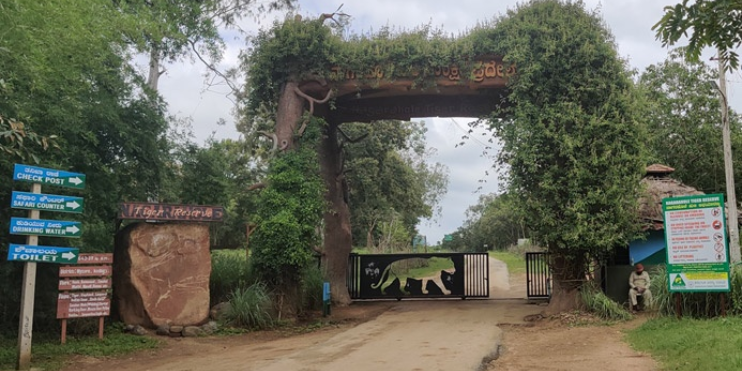

Nagarhole National Park is another major tiger reserve within the Nilgiri landscape and one of the most important national parks in Karnataka.

The protected area covers roughly 640 sq km between the Mysuru plateau and the Nilgiri region. Its wildlife includes tigers, elephants, leopards, wild dogs, gaur, deer, and numerous bird species.

Is Kabini a Separate Wildlife Sanctuary?
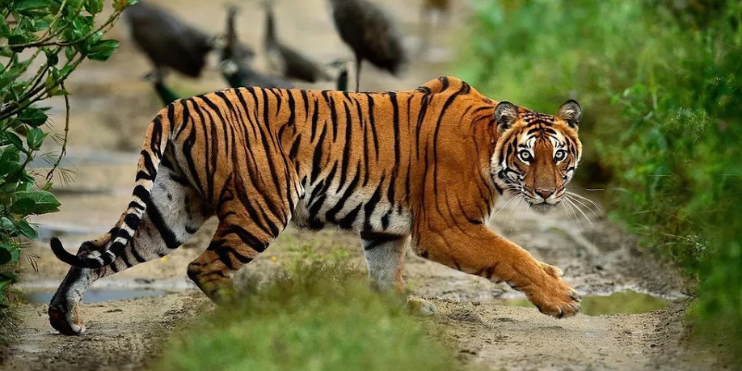

This is an important correction to the older version of this page.

Kabini is commonly marketed as a wildlife destination, but it should not be presented as a separate “Kabini Wildlife Sanctuary” or independent tiger reserve. The well-known Kabini wildlife safari experience is associated with the Kabini River and backwater side of the Nagarahole landscape.

Karnataka Tourism specifically describes jeep and boat wildlife experiences around Nagarahole and the Kabini backwaters. 

Why Choose Nagarhole?

Choose Nagarhole if you want:

  • Tiger-reserve forest
  • Elephant habitat
  • Jeep safaris
  • Kabini backwater landscapes
  • Birdwatching
  • Wildlife photography

Forest safari slots are limited, and advance planning is recommended. 

3. Bhadra Wildlife Sanctuary and Tiger Reserve
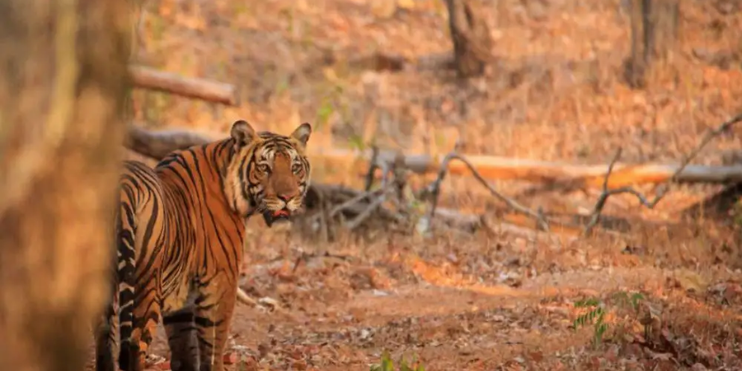

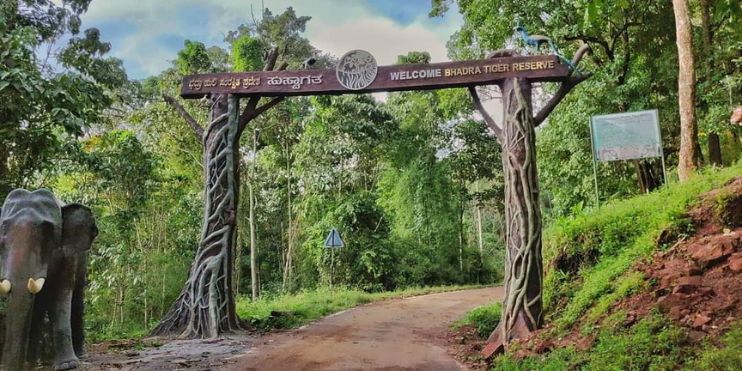
For guests planning a Chikmagalur wildlife trip, Bhadra Wildlife Sanctuary is the most relevant destination on this list.

Bhadra covers around 500 sq km across Chikmagalur and Shivamogga districts. The reserve takes its name from the Bhadra River and includes the Muthodi forest region as well as the reservoir-side landscape near Lakkavalli. 

Wildlife at Bhadra

The reserve supports:

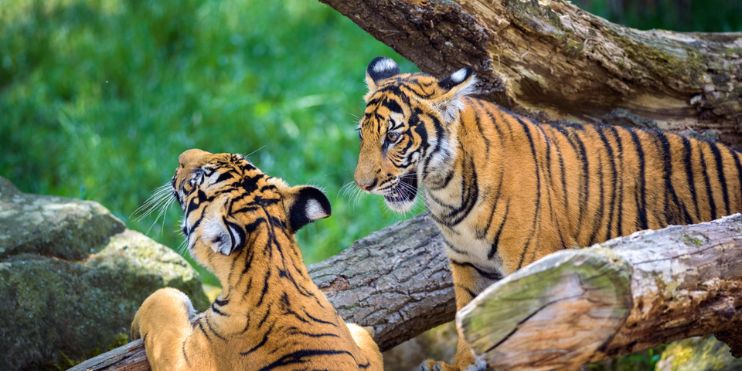
  • Tigers
  • Leopards
  • Elephants
  • Gaur
  • Deer
  • Reptiles
  • Over 250 recorded bird species

Karnataka Tourism also highlights hornbills, Malabar bird species, jeep safaris, and reservoir-based birding among Bhadra’s major experiences. 

Best Time to Visit Bhadra

October to March is one of the strongest periods for birding and general forest visits. 

Staying Near Bhadra Wildlife Sanctuary?

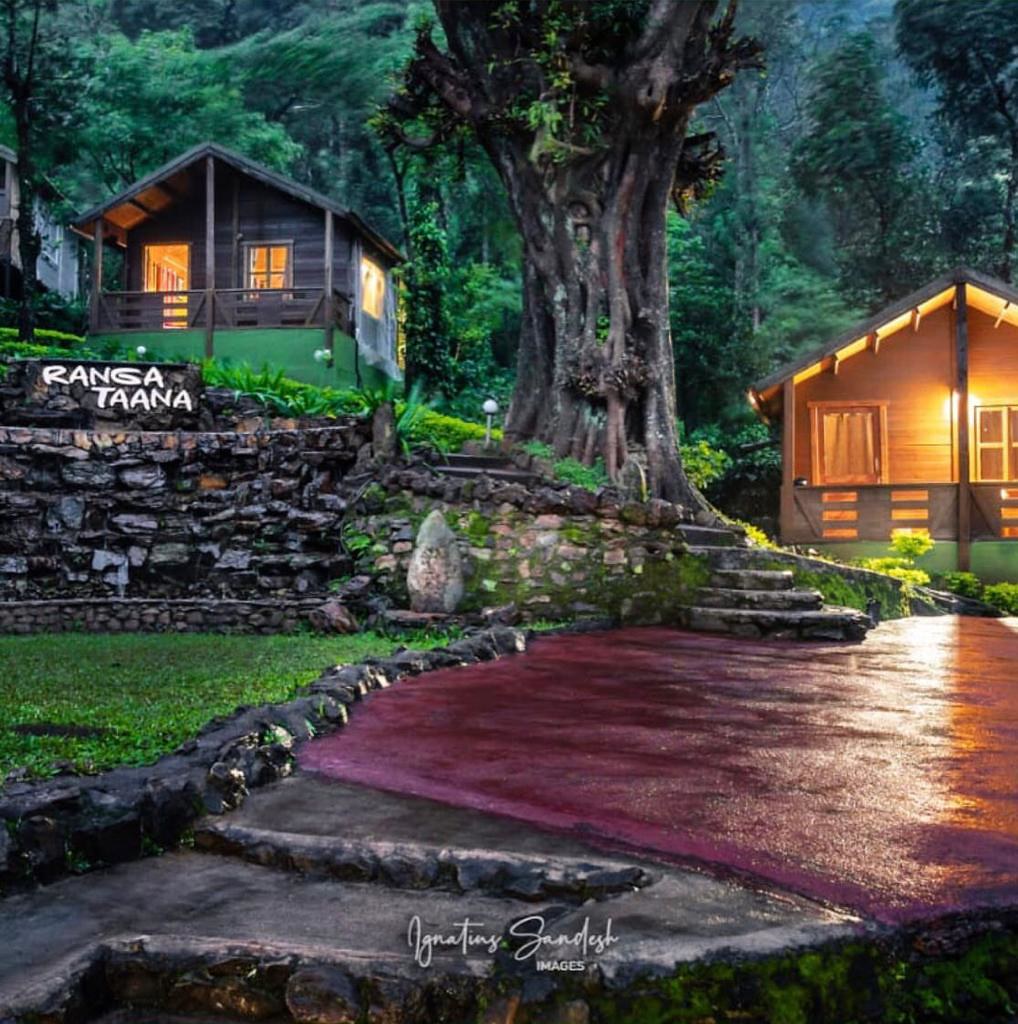
If you are specifically searching for a wildlife sanctuary near Chikmagalur, Bhadra is the most natural match with Ranga Taana.

Our property is in Tarikere Taluk, on the Kemmangundi side of Chikmagalur. Our dedicated Bhadra page positions Ranga Taana as a convenient base for travellers combining a forest visit with cottage accommodation and time around the Western Ghats.

4. Dandeli Wildlife Sanctuary and Kali Tiger Reserve
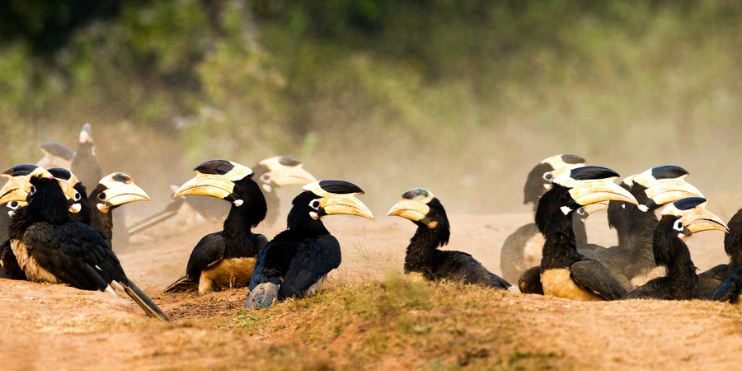
The older page described Dandeli Wildlife Sanctuary as a stand-alone major reserve and made an absolute claim that it was Karnataka’s largest sanctuary. That wording should be corrected.

Dandeli Wildlife Sanctuary is part of Kali Tiger Reserve, together with Anshi National Park. Karnataka Tourism states that Dandeli Wildlife Sanctuary covers approximately 475 sq km and Anshi National Park around 340 sq km, forming one connected protected landscape in Uttara Kannada. 

Why Visit the Dandeli and Kali Landscape?

This region combines wildlife with outdoor adventure.

Experiences include:

  • Forest safari
  • Hornbill watching
  • Trekking
  • Kali River activities
  • Seasonal white-water rafting
  • Kayaking
  • Syntheri Rocks
  • Forest and river photography

Wildlife includes tigers, leopards, elephants, gaur, wild dogs, sloth bears, and diverse birds. The reserve is also known for melanistic leopards, commonly called black panthers. 

Best for: Travellers who want wildlife and adventure in the same trip.

5. BRT Wildlife Sanctuary and Tiger Reserve

BRT Wildlife Sanctuary, officially Biligiri Ranganatha Swamy Temple Wildlife Sanctuary, deserves stronger visibility than it receives on many generic wildlife lists.

The reserve covers approximately 539 sq km and forms an important ecological connection between the Eastern and Western Ghats. Karnataka Tourism describes a landscape of scrub, deciduous forest, shola, and montane grasslands supporting diverse wildlife and over 250 bird species. 

What Makes BRT Different?

You can combine:

  • Forest safari
  • Birdwatching
  • Hill scenery
  • Ranganathaswamy Temple
  • Soliga cultural context
  • Wildlife photography

Elephants, sloth bears, gaur, wild dogs, deer, and occasionally tigers may be encountered during safaris. 

Best for: Travellers who want wildlife, birding, and cultural landscapes in one trip.

6. Ranganathittu Bird Sanctuary
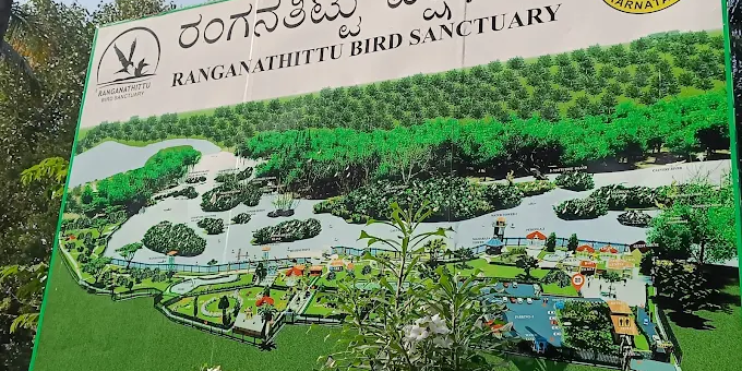
Not every wildlife trip needs a tiger safari.

Ranganathittu Bird Sanctuary near Srirangapatna is one of the best bird sanctuaries in Karnataka for an accessible half-day nature experience.

Declared a sanctuary in 1940, Ranganathittu occupies small Cauvery River islands and supports around 170 recorded bird species. Guided boat rides provide views of nesting colonies and can also reveal marsh crocodiles along the river. 

Birds You May See

  • Painted storks
  • Spoonbills
  • Pelicans
  • Cormorants
  • Darters
  • Herons
  • River terns
  • Kingfishers
  • Egrets
  • Black-headed ibis

Current Karnataka tourism information lists visitor hours from 9 AM to 6 PM, but check the latest operating status before travelling. 

Best for: Families, birdwatchers, and travellers staying around Mysuru.

7. Bannerghatta National Park and Biological Park
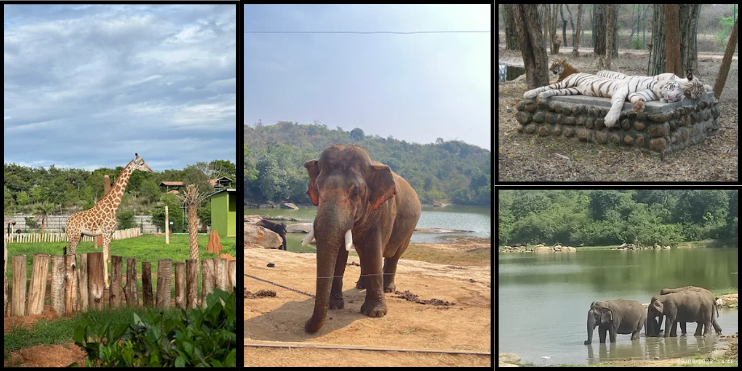
Bannerghatta National Park is one of the easiest wildlife-oriented day trips from Bengaluru.

The protected landscape lies roughly 22 km south of central Bengaluru, while the visitor-focused Biological Park includes safari experiences, a zoo, and a butterfly park. 

What Can Visitors Do?

  • Wildlife safari
  • Zoo visit
  • Butterfly Park
  • Nature-focused family outing
  • Wildlife education

This is a different experience from a remote tiger reserve such as Bandipur or Bhadra. Its biggest strength is accessibility for families and visitors with limited time.

The visitor facilities are generally closed on Tuesdays, so check the current official schedule before planning the day. 

Best for: Families and short Bengaluru wildlife trips.

8. Cauvery Wildlife Sanctuary
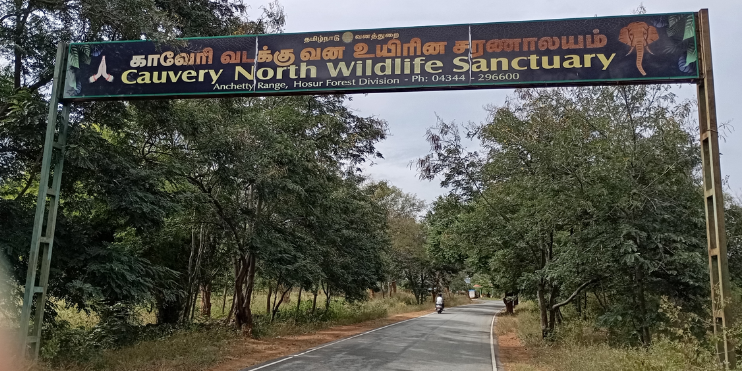
Cauvery Wildlife Sanctuary protects a large riverine and forest landscape across southern Karnataka.

The protected area covers roughly 1,027 sq km along the Cauvery and supports elephants, leopards, crocodiles, birds, and the endangered grizzled giant squirrel. 

Why Visit Cauvery Wildlife Sanctuary?

The experience is shaped by the river as much as the forest.

Depending on the authorized activity and location, visitors may encounter:

  • Birdwatching
  • River landscapes
  • Trekking
  • Coracle experiences
  • Rafting
  • Angling with required permits
  • Forest wildlife

November to March generally offers comfortable conditions for visiting. 

Best for: Travellers who prefer river ecology and adventure over a conventional tiger safari.

9. Brahmagiri Wildlife Sanctuary
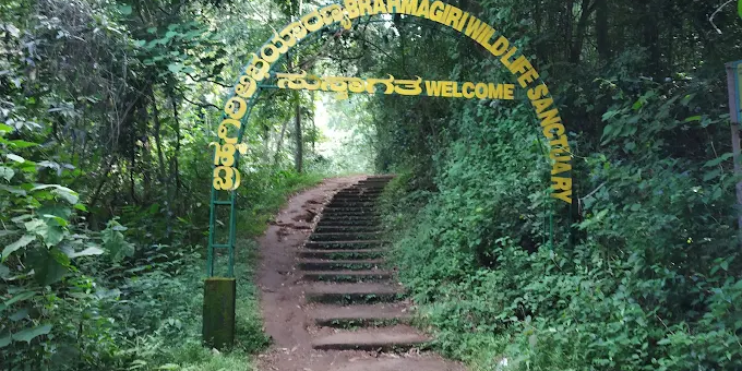
Brahmagiri Wildlife Sanctuary lies in Kodagu along the Western Ghats and combines dense forest with mountain trekking.

The sanctuary covers approximately 181 sq km and supports elephants, tigers, leopards, gaur, wild dogs, and Western Ghats birdlife.

Main Experiences

  • Brahmagiri trekking
  • Birdwatching
  • Forest landscapes
  • Iruppu Falls
  • Wildlife observation

October to May is generally considered a practical visiting period, while trekking requires the appropriate forest permissions. 

Best for: Trekkers and travellers already visiting Kodagu.

10. Pushpagiri Wildlife Sanctuary
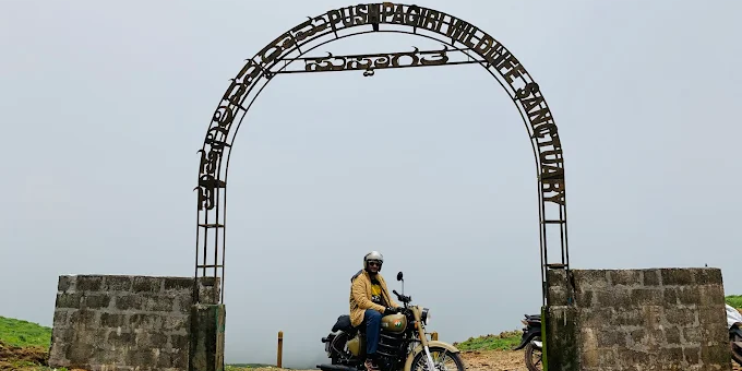
Pushpagiri Wildlife Sanctuary is particularly relevant to travellers who want trekking and high-elevation Western Ghats landscapes.

One of its best-known experiences is the Kumara Parvatha trek. Karnataka Tourism describes it as one of South India’s challenging treks, passing through forest, grassland, and mountain terrain inside the Pushpagiri protected landscape. 

What to Know Before Visiting

Pushpagiri is better approached as a trekking and biodiversity destination than a conventional drive-through safari park.

Before travelling:

  • Check current trek access.
  • Confirm forest permits.
  • Review weather conditions.
  • Use designated camping areas only where permitted.
  • Do not assume older trail or camping rules remain valid.

Best for: Experienced trekkers, birdwatchers, and Western Ghats enthusiasts.

11. Sharavathi Valley Wildlife Sanctuary
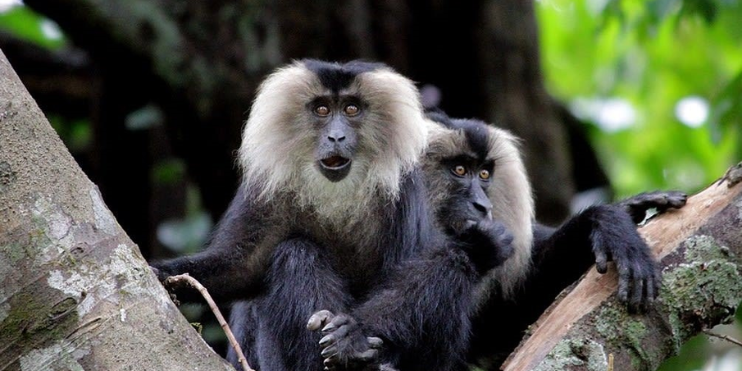
Sharavathi Valley Wildlife Sanctuary protects approximately 431 sq km of evergreen and semi-evergreen Western Ghats forest in Shivamogga district. 

The surrounding landscape combines wildlife habitat with major natural attractions, including:

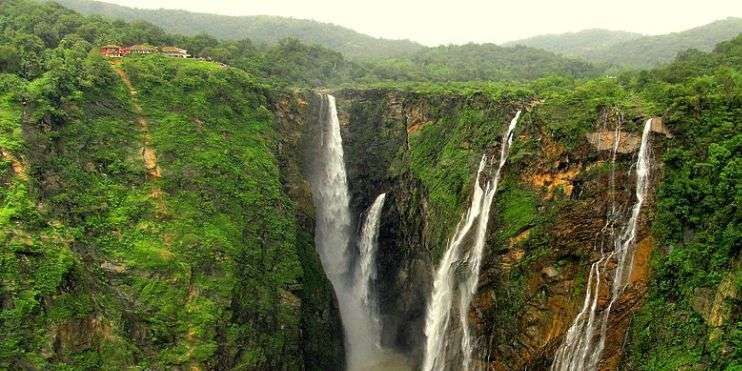
  • Jog Falls
  • Linganamakki Reservoir
  • Honnemaradu
  • Backwater landscapes
  • Dense evergreen forests

Wildlife recorded in the wider sanctuary includes tiger, leopard, lion-tailed macaque, wild dog, sloth bear, Malabar giant squirrel, and numerous reptiles and birds. 

Best Time to Visit

September to April generally provides easier conditions than the peak monsoon months.

Best for: Western Ghats landscapes, biodiversity, and travellers combining wildlife with Jog Falls.

12. Mookambika Wildlife Sanctuary
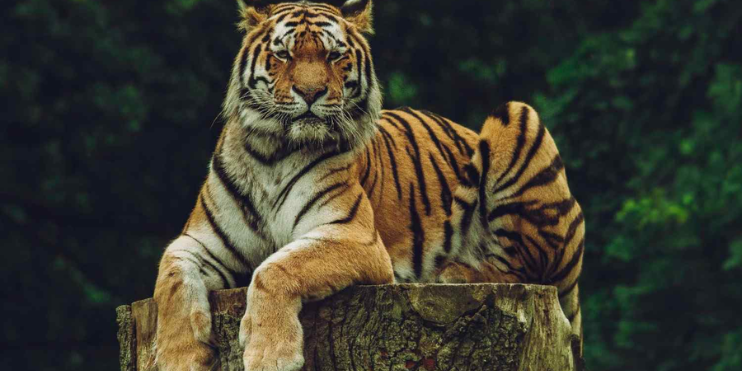
Mookambika Wildlife Sanctuary protects forested terrain around the Kollur and Kodachadri region.

Unlike the previous page, avoid publishing unverified fixed safari charges or specific jeep fees from third-party travel sites. Such details can change and should be confirmed locally.

The sanctuary is known for the Western Ghats forest, wildlife including gaur, sambar, wild boar, sloth bear, and lion-tailed macaque, and its connection with Kodachadri and the Mookambika temple landscape. 

Why Visit?

It works well if your itinerary combines:

  • Wildlife
  • Forest landscapes
  • Kodachadri
  • Trekking
  • Temple tourism
  • Coastal Karnataka travel

Best for: Nature travellers who also want pilgrimage and hill experiences.

Which Are the Top 5 Wildlife Sanctuaries in Karnataka?

If this is your first wildlife trip, these five provide the strongest mix of safari access, biodiversity, and travel appeal:

  1. Bandipur National Park: Strong choice for tigers, elephants, and classic forest safaris.
  2. Nagarhole National Park: Big-cat habitat with the popular Kabini landscape.
  3. Bhadra Wildlife Sanctuary: Western Ghats tiger reserve with excellent birdlife and strong Chikmagalur relevance.
  4. Dandeli Wildlife Sanctuary and Kali Tiger Reserve: Wildlife, hornbills, and river adventure.
  5. BRT Wildlife Sanctuary: Safari, birds, hill forests, and cultural interest.

Do not choose solely on the promise of tiger sightings. Wildlife moves freely, and no responsible safari operator can guarantee a particular species.

Which Karnataka Wildlife Sanctuary Is Best for You?

Your Priority Recommended Destination
First tiger safari Bandipur National Park
Kabini experience Nagarhole National Park
Chikmagalur wildlife trip Bhadra Wildlife Sanctuary
Wildlife + rafting Dandeli Wildlife Sanctuary / Kali Tiger Reserve
Wildlife + hill culture BRT Wildlife Sanctuary
Birdwatching with family Ranganathittu Bird Sanctuary
Wildlife near Bengaluru Bannerghatta National Park
River and forest experience Cauvery Wildlife Sanctuary
Trekking in Kodagu Brahmagiri Wildlife Sanctuary
Challenging trek Pushpagiri Wildlife Sanctuary
Evergreen Western Ghats Sharavathi Valley Wildlife Sanctuary
Wildlife + temple circuit Mookambika Wildlife Sanctuary

Best Time to Visit Wildlife Sanctuaries in Karnataka

There is no single perfect season for every reserve.

For many of the top wildlife sanctuaries in Karnataka, October to March provides cooler weather and comfortable safari or birdwatching conditions. Some tiger reserves can produce better mammal visibility during the hotter months because animals spend more time around remaining water sources.

October to February

Best overall for:

  • Comfortable weather
  • Birdwatching
  • Family trips
  • Forest drives
  • Western Ghats travel

March to May

Useful for:

  • Dry-forest wildlife viewing
  • Potentially clearer mammal visibility
  • Safari-focused trips

Expect warmer afternoons.

June to September

Monsoons create spectacular green forest landscapes but can also bring:

  • Dense vegetation
  • Slippery trekking routes
  • Restricted activities
  • Changed safari access
  • Heavy rainfall in Western Ghats reserves

Always check the current reserve-specific status instead of assuming one seasonal rule applies everywhere.

Before Booking a Karnataka Wildlife Safari

If a best wildlife safari in Karnataka is part of your trip, verify practical details directly before travelling.

Check the Exact Safari Gate.

A large tiger reserve can have several entry zones. Your accommodation may be close to the protected forest but far from the safari reporting gate.

Check Current Timings and Availability

Safari schedules, vehicle capacity, and operating zones can change.

Avoid Relying on Old Entry Fees

The previous version of this article contained many fixed prices collected from different third-party websites. Remove those hardcoded rates. Use current Forest Department, reserve, or authorised booking information when planning.

Book Early During Weekends

Morning and evening safari slots can fill quickly during holidays and peak travel months.

Keep Wildlife Expectations Realistic

Tigers, leopards, and other predators are wild animals. A safari should never be sold around a guaranteed sighting.

Follow Current Photography Rules

Wildlife reserves can update rules around mobile phones, stopping vehicles, photography, and behaviour near animals. Follow the guide and forest staff instructions on the day.

Top Bird Sanctuaries in Karnataka
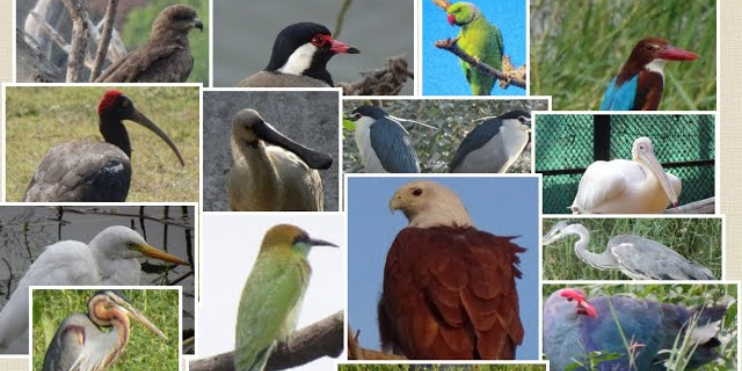
A collage featuring various birds in their natural habitats, highlighting Karnataka's top bird sanctuaries for photography and exploration.

Travellers interested primarily in birdlife should expand beyond tiger reserves.

Ranganathittu Bird Sanctuary

One of Karnataka’s easiest dedicated birding experiences, with guided Cauvery boat rides and approximately 170 recorded species. 

Gudavi Bird Sanctuary

Gudavi attracts seasonal birdlife around its lake and forest environment. Karnataka Tourism highlights July to October as an important migration period. 

Mandagadde Bird Sanctuary

This Shivamogga-region birding site becomes particularly active during the monsoon and post-monsoon migration period. 

The wider state also includes specialist sanctuaries for vultures, peacocks, blackbuck, and other species, giving Karnataka wildlife tourism far greater variety than tiger safaris alone.

Wildlife to Look for Across Karnataka

The wildlife places in Karnataka protect different habitats, so the species you may encounter vary considerably.

Commonly associated wildlife includes:

  • Bengal tiger
  • Asian elephant
  • Leopard
  • Melanistic leopard
  • Dhole
  • Gaur
  • Sambar
  • Spotted deer
  • Sloth bear
  • Wild boar
  • Malabar giant squirrel
  • Marsh crocodile
  • King cobra
  • Hornbills
  • Painted storks
  • Pelicans
  • Numerous Western Ghats endemic birds

Do not use this list as a sighting checklist. Some species are elusive, nocturnal, or restricted to particular habitats.

Planning a Wildlife Safari Near Chikmagalur?

For a wildlife safari near Chikmagalur, Bhadra is the most relevant sanctuary for travellers staying on the Kemmangundi and Tarikere side of the district.

Instead of choosing accommodation elsewhere in Karnataka because it appears on a general wildlife list, build your trip around Bhadra if Chikmagalur is already part of your itinerary.

At Ranga Taana, we are based in Tarikere Taluk within the Chikmagalur region. Our current accommodation includes wooden cottages designed around the natural setting, while our wider resort experience includes a swimming pool, estate surroundings, and access to nearby Kemmangundi attractions.

Combine Bhadra Wildlife Sanctuary With Kemmangundi

If Bhadra is the main wildlife stop, avoid trying to combine it with distant Bandipur or Nagarhole in the same short trip.

A more practical Chikmagalur-side itinerary can include:

Day 1: Bhadra Wildlife Sanctuary or reservoir-side wildlife experience

Day 2: Kemmangundi, Hebbe Falls, or nearby hill attractions

Day 3: Relaxed resort time or another local nature experience

This keeps the trip concentrated in one region and reduces unnecessary cross-state driving.

Stay at Ranga Taana During Your Bhadra Wildlife Trip
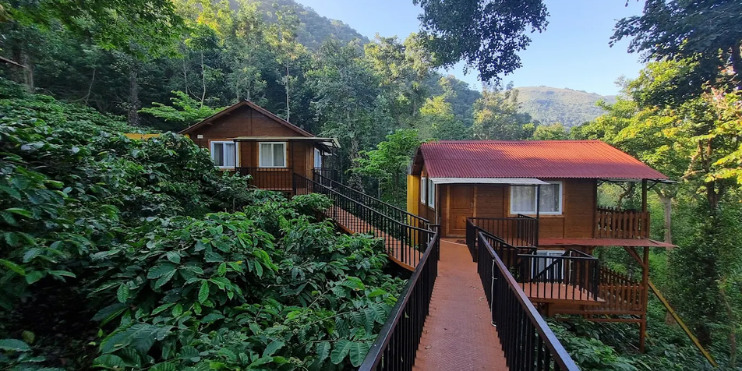
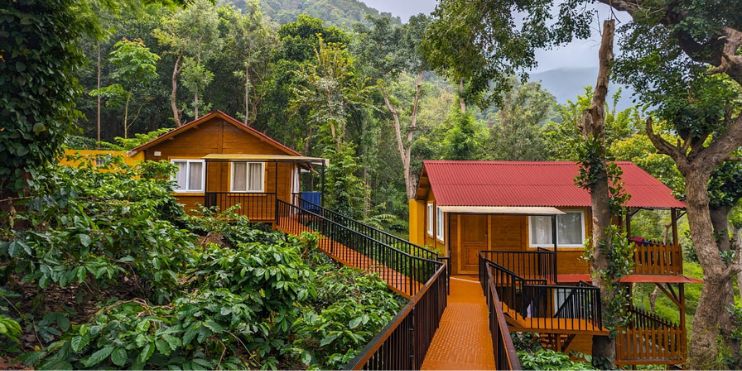
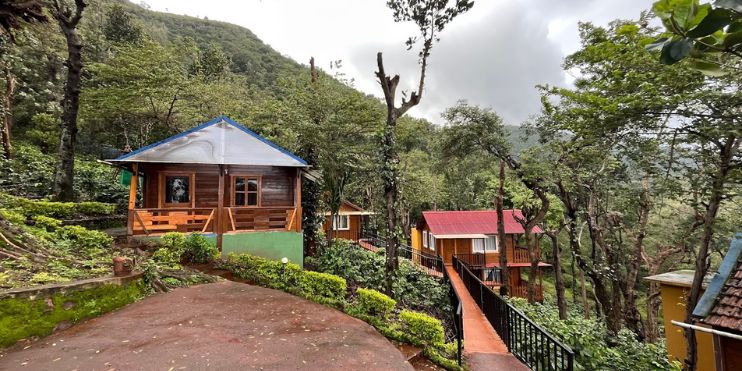
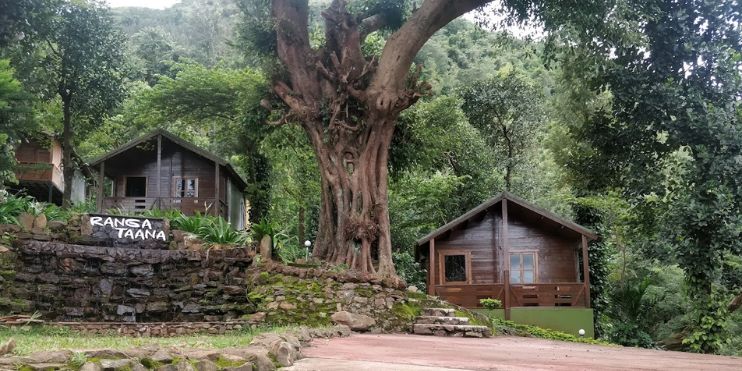
Two wooden cabins nestled in a lush forest, surrounded by greenery, inviting guests to experience nature at Ranga Taana Resort.

After an early forest outing, you may prefer returning to a quiet cottage instead of continuing straight into another long sightseeing day.

Our Ranga Taana stay near Kemmangundi gives you a nature-oriented base in Tarikere Taluk, with wooden cottage accommodation and convenient access to the wider Bhadra and Kemmangundi side of Chikmagalur. 

Planning a Bhadra and Kemmangundi Nature Getaway?

Combine your wildlife plans with a comfortable stay in the hills and leave enough time to enjoy the Western Ghats outside the safari vehicle.

Choose the Right Karnataka Wildlife Experience

The top wildlife sanctuaries in Karnataka offer very different experiences.

Choose Bandipur or Nagarhole for classic tiger-reserve safaris. Choose Kali-Dandeli if adventure activities matter alongside wildlife. Visit Ranganathittu for birdwatching, Brahmagiri or Pushpagiri for trekking, and Sharavathi for evergreen Western Ghats scenery.

If your trip already includes Chikmagalur or Kemmangundi, Bhadra Wildlife Sanctuary is the logical place to prioritise. You can then stay with us at Ranga Taana and combine your wildlife outing with Kemmangundi’s waterfalls, hills, and quieter estate surroundings.

Frequently Asked Questions

Which are the best wildlife sanctuaries in Karnataka?

The best wildlife sanctuaries in Karnataka depend on your interests. Bandipur and Nagarhole are strong choices for tiger-reserve safaris, Bhadra for a Chikmagalur wildlife trip, Kali-Dandeli for wildlife plus river adventure, and Ranganathittu for birdwatching.

Which wildlife sanctuary is best for a tiger safari in Karnataka?

Bandipur, Nagarhole, and Bhadra are major tiger reserves in Karnataka where authorised forest safaris operate. Sightings remain unpredictable because tigers move naturally through large forest territories. 

Is Kabini a wildlife sanctuary?

Kabini is better understood as a river and wildlife tourism landscape associated with the Nagarhole Tiger Reserve rather than a separate “Kabini Wildlife Sanctuary.” Many popular Kabini safari experiences explore the Nagarhole and backwater region. 

Which wildlife sanctuary is near Chikmagalur?

Bhadra Wildlife Sanctuary spans Chikmagalur and Shivamogga districts and is the most relevant major protected wildlife destination for a Chikmagalur itinerary. 

Which wildlife sanctuary is best for birdwatching?

Ranganathittu is particularly accessible for dedicated birdwatching, while Bhadra is excellent for Western Ghats forest birdlife. Karnataka Tourism records around 170 species at Ranganathittu and over 250 at Bhadra.

Is Dandeli Wildlife Sanctuary the same as Kali Tiger Reserve?

Dandeli Wildlife Sanctuary forms part of Kali Tiger Reserve together with Anshi National Park. The protected areas were administratively brought together under the former Dandeli-Anshi Tiger Reserve, now known as Kali Tiger Reserve. 

Which Karnataka wildlife destination is best for families?

Ranganathittu works well for birdwatching and guided boat rides, while Bannerghatta is practical for families based in Bengaluru. Bandipur and Bhadra can suit families who specifically want a forest safari.

What is the best time for wildlife tourism in Karnataka?

October to March works well for many sanctuaries because of cooler weather. However, dry-season months can improve visibility in some tiger reserves, while bird sanctuaries and Western Ghats destinations have their own seasonal patterns.

Should I book wildlife safaris in advance?

Yes, especially for weekends, holidays, and popular morning or evening slots. Availability and booking systems vary between protected areas, so use the current authorised booking channel for the reserve you plan to visit.
Enquire/Know more about Ranga Taana Resort

Best nature stay among resorts in Chikmangalur


Top 10 Must-Visit Hill Stations In Karnataka

Karnataka, blessed with the lush embrace of the Western Ghats, is a treasure trove for those seeking nature’s serenity. From mist-covered peaks to coffee-scented valleys, the state offers a refreshing escape for every kind of traveler. Whether you’re chasing waterfalls, soaking in panoramic views, or simply craving a break from the everyday hustle, the hill stations in Karnataka pledge unforgettable experiences.

Why are hill stations such a favorite among wanderers? They present cool weather, peaceful landscapes, thrilling trekking trails, and a deep connection with untouched nature. It’s the perfect way to rejuvenate the mind and soul.

In this blog, we bring you the top 10 must-visit hill stations in Karnataka, a handpicked list for nature lovers, weekend explorers, and anyone dreaming of the best hill getaways in Karnataka. Let’s dive into the calm, green heights that make Karnataka truly magical.

1.Chikmagalur—The Coffee Paradise of Karnataka

Lush green tea plantation in Munnar, Kerala, showcasing rows of tea bushes under a clear blue sky.

Tucked away in the heart of the Western Ghats, Chikmagalur is a paradise in Karnataka, often celebrated as the best hill station in Karnataka. Famed for its endless coffee plantations, cool breeze, and tranquil charm, this picturesque destination attracts travelers seeking peace and adventure. If you’re exploring the top hill stations in Karnataka, Chikmagalur should be high on your list.

From the majestic Mullayanagiri Peak, the highest point in the state, to the spiritual aura of Baba Budangiri, Chikmagalur offers a perfect mix of natural beauty and cultural significance. The peaceful Hirekolale Lake and the fascinating Coffee Museum are must-visit for those who want to experience the essence of this hill town.

Whether you’re up for a scenic plantation tour, a challenging trek, or simply want to relax in cozy homestays, there are countless things to do in Chikmagalur. The region is also a favorite among photographers and nature enthusiasts who want to capture its misty mornings and lush green valleys.

Ideal for a quick escape, especially for those seeking hill stations near Bangalore, Karnataka, Chikmagalur is best visited between September and March for the most pleasant weather.

2.Coorg (Madikeri) – The Scotland of India

Mountain view overlooking a lush valley in Coorg, showcasing misty landscapes and coffee plantations.

Nestled in the Western Ghats, Coorg hill station, also known as Madikeri, is one of the most charming escapes in South India. Often called the “Scotland of India,” it enchants visitors with misty landscapes, lush coffee plantations, and the unique traditions of the Kodava community. As one of the top choices for a peaceful getaway, Coorg hill station in Karnataka perfectly blends nature, culture, and adventure.

Highlights include the cascading beauty of Abbey Falls, the spiritual origin point of the 

River Kaveri at Talakaveri, and the breathtaking sunset views from Raja’s Seat. Whether you’re enjoying a cozy plantation stay, indulging in local Coorgi cuisine on a food tour, or chasing thrills with river rafting, Coorg has something for everyone.

Ideal for couples, families, and culture lovers alike, Coorg offers a refreshing break that lingers in memory long after the trip ends.

3.Sakleshpur—The Hidden Gem of the Western Ghats

Top 10 places to visit in Kerala, featuring Sakleshpur, a serene hill station known for its natural beauty and adventure activities.

Hidden away behind dense trees and rolling hills, Sakleshpur hill station is one of the lesser-recognized treasures of Karnataka. Unlike the more touristy areas, it boasts untriggered, unspoiled natural beauty, and hence is a nature lover’s paradise and a sanctuary for people seeking peace. Dressed in lush greenery and foggy treks, Sakleshpur is ideal for those who want to retreat into nature.

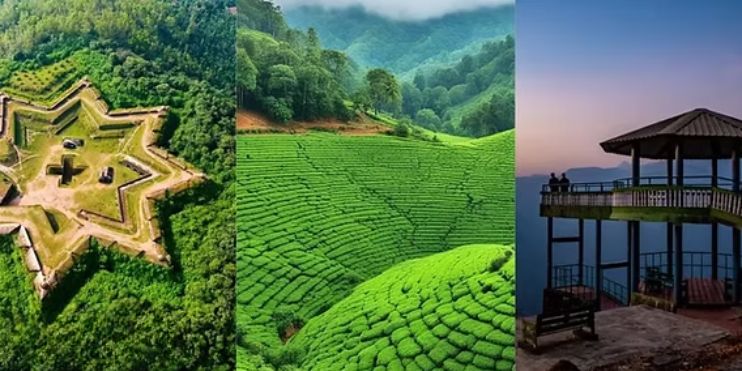
One of the highlights is the star-shaped Manjarabad Fort, providing panoramic views of the Western Ghats. For scenic landscapes and stunning photo opportunities, the Bisle Ghat Viewpoint is a must-visit. Adventure lovers will find plenty of excitement through trekking, camping, and bird watching along the many forest paths.

Sakleshpur is renowned for its serene atmosphere, scenic beauty, and stunning monsoon vistas. The ideal time to visit is the monsoon and post-monsoon season, when the area becomes lush green and vibrant, giving a serene yet exciting hill retreat experience.

4. Kemmanagundi—The Royal Hill Station

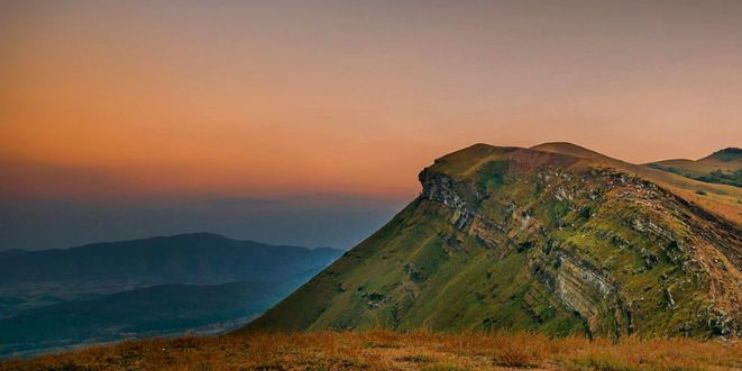
A scenic mountain with a grassy hill under a vibrant sunset, capturing the tranquil beauty of Kemmanagundi hill station.

Formerly the summer resort of the Wodeyar kings, Kemmanagundi hill station is a tranquil retreat located in the Baba Budan Giri Hills. Famous for its pleasant climate and royal appeal, it provides a serene environment away from the throng, making it perfect for those looking for serenity in nature.

One of the best tourist spots in Kemmanagundi is the stunning Z Point, where sunrise is pure magic, Hebbe Falls with its cascading beauty, and the vibrant Rose Garden that brings vibrancy to the landscape. Light trek trails and hill drives present themselves as a visual delight for tourists.

Perfect for nature photographers and peaceful travelers, Kemmanagundi is best explored at a slow pace, letting you soak in the beauty of every moment. It’s one of the most underrated hill stations in Karnataka, yet it leaves a lasting impression on every visitor.

5. Nandi Hills – The Sunrise Spot Near Bangalore

Sunset over Kodaikanal, Kerala, India, showcasing vibrant orange and pink hues in the sky above tranquil hills.

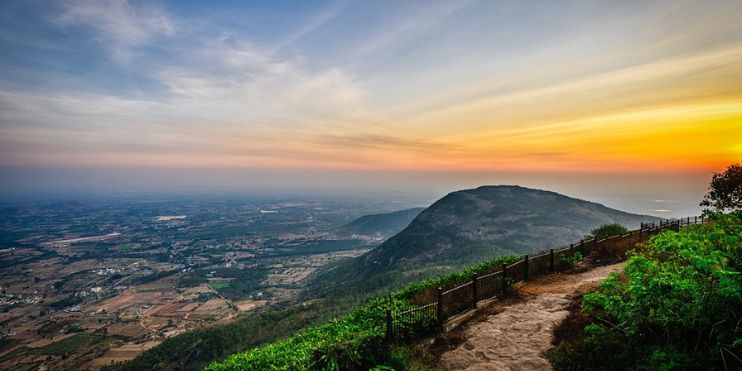
A mere short drive away from the city is Nandi Hills Karnataka, which is among the most favorite hill stations of Karnataka for a weekend getaway. With its soothing, cool breeze and raised landscape, it provides a calm respite from the hubbub of the city. The highlight is the Nandi Hills sunrise viewpoint, where early risers gather to witness the sky painted in hues of orange and pink, an unforgettable sight from the Nandi hilltop.

For history enthusiasts, Tipu Sultan’s Fort and the dramatic Tipu’s Drop tell stories from the past, while Amrita Sarovar, a serene water body, adds to the natural charm. If you’re wondering about Nandi Hills, it’s more than just scenic beauty. It’s an experience.

Popular activities in Nandi Hills include light trekking, cycling along curvy hill roads, and even paragliding for adventure seekers. It’s best visited in the early morning to fully enjoy the views and the fresh air.

6. Agumbe – The Cherrapunji of South India

Aerial view of Agumbe's dense autumn forest, showcasing vibrant foliage and the misty landscape of the Western Ghats.

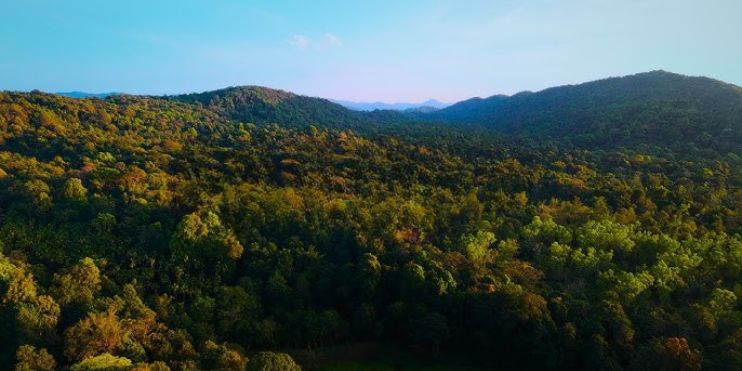
Situated at the top of the Western Ghats, Agumbe Hill is a foggy village in Karnataka famous for its dense rainforests and high rainfall. Nicknamed the “Cherrapunji of South India,” this place is a nature lover’s paradise and a wildlife enthusiast’s dream destination. What makes Agumbe unique is its unspoiled, natural beauty, dense forest paths, secluded waterfalls, and scarce biodiversity.

Top things to do in Agumbe include exploring the majestic Barkana Falls, one of the tallest in the region, and enjoying surreal views from the Sunset View Point, where the sun dips into endless green valleys. The Kundadri Hills offer a peaceful trekking experience with spiritual vibes.

Agumbe is also famous as the filming location of Malgudi Days, adding a nostalgic touch to your visit. Popular activity in Agumbe Hill includes rainforest trekking, herping (reptile spotting), and wildlife photography, especially for spotting king cobras and exotic species during monsoons, making Agumbe trekking an unforgettable adventure.

7. Biligiri Rangan Hills – Where Nature Meets Spirituality

A panoramic view from the Biligiri Rangan Hills, showcasing mountains, valleys, and lush forests under a clear sky.

Located at the confluence of the Eastern and Western Ghats, the BR Hills (Biligiri Rangan Hills) are a rare destination that blends natural beauty with spiritual depth. Surrounded by lush forests & rolling hills, the BR Hills in Karnataka offer a unique landscape rich in biodiversity and cultural heritage.

Lacing this landscape at its core is the old Biligiri Rangaswamy Temple on a hilltop, inviting holy pilgrims to its religious environment and vistas of the countryside. Nature enthusiasts get attracted to the BRT Wildlife Sanctuary with its elephants, tigers, leopards, and plenty of birds and medicinal plants. It’s ideal for those looking to see Karnataka’s wild face from close quarters.

Popular activities comprise jungle safaris that take you right into pristine forest tracts and excursions to tribal villages, which provide knowledge on the local Soliga tribe’s life and traditions. For spiritual travelers and wildlife lovers both, BR Hills guarantees a soulful and exhilarating experience.

8. Kodachadri—The Trekker’s Heaven

A lush green hill with trees and grass, representing the scenic beauty of Kodachadri in the Western Ghats.

Located in the Shimoga district, Kodachadri Hill is a lush, elevated region within a protected natural heritage site. Covered with thick forests and grasslands, it’s a dream destination for adventure seekers. The Kodachadri trek is well-known for its challenging trails, offering a mix of steep climbs, slippery paths, and river crossings—ideal for those planning a serious Kodachadri trek plan.

Trekkers often pass through the scenic Hidlumane Falls, a multi-level cascade hidden deep in the forest. At the summit lies the spiritual Shankara Peetham, offering sweeping views of the Western Ghats. For those looking into Kodachadri trek booking, multiple guided Kodachadri trek packages are available, with options to explore places near Kodachadri as well.

Adventure level ranges from medium to high, so proper preparation is key. Make sure to check Kodachadri trekking details, including Kodachadri trek cost and Kodachadri trek contact details, before heading out on this unforgettable Kodachadri nature retreat.

9. Mullayanagiri – The Highest Peak in Karnataka

A scenic view of Mullayanagiri Peak, Karnataka, featuring a winding road atop the mountain surrounded by lush greenery.

Standing tall at 1,930 meters, Mullayanagiri Peak is the highest point in Karnataka and a dream destination for adventure lovers and spiritual seekers. This majestic Mullayanagiri hill offers breathtaking views of the surrounding Western Ghats, making it one of the most scenic spots in the state.

The popular Mullayanagiri peak trek, particularly through the Sarpadhari Trail, is a moderately difficult trail that treats travelers to scenic views and a dash of mountain air. At the top, tourists can visit a tiny temple of Lord Shiva, giving a spiritual layer to the trek. The combination of nature and faith makes trekking at Mullayanagiri a rare experience.

Mullayanagiri near places include the mystical Baba Budangiri Hills and Chikmagalur town, both ideal for extending your trip. If you’re searching for peaceful escapes or thrilling climbs, places near Mullayanagiri offer a perfect mix of adventure and tranquility.

10. Male Mahadeshwara Betta – A Sacred Hill Retreat in the Eastern Ghats

Scenic view of lush green mountains and forests from a sacred hill retreat in Karnataka's Eastern Ghats.

Situated in southern Karnataka’s Chamarajanagar district, Male Mahadeshwara Hills is a sacred pilgrim town located in the Eastern Ghats. It is around 150 km from Mysore and 210 km from Bengaluru and is famous for housing the state’s tallest peak and a serene spiritual environment.

The focal point of this area is the historic Male Mahadeshwara Hills Temple, which is in honor of Lord Shiva. Rooted deep in local lore and tradition, the temple is visited by thousands of pilgrims throughout the year. The MM Hills Forest Reserve wraps around the temple and is where you may catch sight of elephants, leopards, and other indigenous wildlife living in their natural environment.

Soft trekking routes go through rich greenery & holy temple roads, promising a mix of nature and spirituality. Perfect for spiritual travelers, pilgrimage tourism, and off-beat nature enthusiasts, October to March is the best season to visit Mahadeshwara Hills when the weather is peaceful and festivities are high.

Ranga Taana – A Blissful Escape Among Chikmagalur Hill Resorts

Two wooden cabins nestled in a lush forest, surrounded by greenery, representing a tranquil escape in Chikmagalur.

After exploring the breathtaking hill stations in Karnataka, there’s no better way to unwind than by staying amidst the hills themselves. Ranga Taana, a peaceful and eco-conscious family homestay in Chikmagalur, offers exactly that, a soulful stay nestled deep within coffee country.

Surrounded by lush plantations, our serene Chikmangalur homestay features traditional Malnad-style cottages that blend rustic charm with modern comfort. The views are immersive coffee estates that stretch out like green carpets, inviting you to relax and breathe in the cool, fresh air. Our homely meals and warm hospitality make you feel like a cherished guest, not just a visitor.

Guests can enjoy guided coffee estate tours, sunrise treks to Mullayanagiri, and starlit bonfires for the perfect evening wind-down. Whether you’re planning a retreat with loved ones or searching for the best luxury resorts in Chikmagalur, Ranga Taana offers a truly rejuvenating experience.

Looking for the ideal getaway among Chikmagalur hill resorts? Discover tranquility at RangaTaana where nature meets heartfelt hospitality.

Travel Tips for Visiting Hill Stations in Karnataka

A collage showcasing various stunning landscapes, highlighting the beauty of Karnataka's hill stations.

Planning a trip to the hill stations in Karnataka? Here are some essential tips for a smooth and memorable experience.

Best Time to Visit: 

The ideal season is September to March, when the weather is cool and pleasant. Avoid peak monsoons (July–August), especially if you plan on trekking or exploring the outdoors.

Packing Suggestions:

Nights can get chilly even in warmer months, so carry warm clothes. For nature walks and treks, comfortable hiking shoes are a must. During monsoon months, pack a light raincoat to stay dry during sudden drizzles.

Responsible Travel Tip:

Preserve the natural beauty of these regions. Carry reusable water bottles, avoid plastic waste, and be respectful of local traditions and customs.

How to Reach:

Most popular spots like the hill station in Chikmagalur are accessible via Mangalore or Bangalore airports, with train connectivity to nearby towns. Well-connected highways also make hill stations near Karnataka easy to reach by road.

Conclusion 

From the foggy plantations of Chikmagalur to the royal beauty of Kemmanagundi, the hill stations of Karnataka provide a memorable blend of scenic splendor, pleasant weather, cultural richness, and adventure. Whether it is drinking steaming coffee, walking through thick forests, or taking sunrise shots from hilltops, every site has something special.

It’s time to step away from the rush of city life and explore these mountain hideaways. Be it couples, families, or solo explorers, there’s a best hill station in Karnataka waiting to be discovered.

And if your journey brings you to Chikmagalur hill station, don’t miss the experience of a hilltop stay in Chikmagalur. Ranga Taana stands out as one of the best hill resorts in Chikmagalur, offering peace, plantation views, and a true connection with nature. For those seeking the best hill station resorts in Karnataka, Ranga Taana is your ideal retreat.

Enquire/Know more about Ranga Taana Resort

Best nature stay among resorts in Chikmangalur

Deviramma Temple Chikmagalur: Bindiga Temple, Betta Trek & Jatre Guide

Deviramma Temple Chikmagalur combines local faith, Western Ghats scenery, and one of the region’s most distinctive annual pilgrimages. But before planning your visit, there is one important detail to understand: travellers often use “Deviramma Temple” for two connected but different places.

The Bindiga Deviramma Temple stands at the foothills and is accessible by road. The Giri Deviramma Temple is the hilltop shrine on Deviramma Betta, where devotees traditionally climb during the annual Deepavali pilgrimage. Official Chikkamagaluru district tourism states that the hilltop shrine opens only on the first day of the Deepavali festival, while the Bindiga temple at the foothills is accessible by car and sits about 18 km north of Chikmagalur town. 

Understanding this difference will help you plan the right visit, particularly if you are researching the Deviramma Betta trek.

Deviramma Temple Quick Travel Guide

Detail What to Know
Location Bindiga/Mallenahalli area, Chikkamagaluru district
Main deity Goddess Deviramma
Regular temple Bindiga Deviramma Temple at the foothills
Hilltop shrine Giri Deviramma Temple on Deviramma Betta
Distance from Chikmagalur Foothill Temple is about 18 km north of town.
Hilltop access Traditionally associated with the annual Deepavali pilgrimage
Trek distance Approximately 8 km for the annual hill pilgrimage
Main festival Deviramma Jatre around Naraka Chaturdashi
Best for Pilgrimage, local culture, Western Ghats scenery
Important Confirm current festival access and temple timings before travelling.

The district administration specifically notes that access points for the hill can vary, which is another reason to check local instructions before attempting the annual pilgrimage.

Bindiga Deviramma Temple vs Giri Deviramma Temple

The biggest improvement any visitor can make to their trip planning is understanding the two locations.

Bindiga Deviramma Temple at the Foothills

The Bindiga Deviramma Temple is the easier option for a regular spiritual visit.

According to Chikkamagaluru district tourism, the temple at Bindiga lies in the foothills approximately 18 km north of Chikmagalur town and can be reached by car. Its location is surrounded by the Western Ghats, with Mullayanagiri, Baba Budangiri, and Deviramma hills forming the wider mountain backdrop. 

Choose this temple if you want:

  • A regular temple visit
  • Easier road access
  • A family-friendly spiritual stop
  • Hill scenery without undertaking the annual pilgrimage trek
  • A visit that can be combined with nearby Chikmagalur sightseeing

Giri Deviramma Temple on Deviramma Betta

The Giri Deviramma Temple sits on the hill and follows a very different access pattern.

Official district tourism states that the shrine is open only on the first day of the Deepavali festival. The Government of India’s Utsav portal identifies this annual opening with Naraka Chaturdashi and describes an approximately 8 km pilgrimage trek to the shrine. 

Do not plan the hilltop shrine as though it were an everyday trekking attraction.

Deviramma Temple History and Spiritual Significance

A vibrant Deviramma Temple adorned with orange and yellow decorations on the roof, symbolizing devotion and cultural heritage.

The Deviramma Temple’s history is closely tied to regional tradition and local belief.

Deviramma is worshipped as a protective mother goddess in the Chikkamagaluru region. The Ministry of Tourism’s festival documentation records the traditional belief that Goddess Durga came to Deviramma Hill after defeating Mahishasura. Devotees associate the hill with the goddess’s continuing protective presence.

These stories are part of the temple’s living religious tradition rather than something that should be presented as independently verified historical chronology.

The current page should therefore avoid unsupported claims that the temple is definitively a Hoysala structure or that specific frescoes, carvings, and architectural elements originate from the Hoysala period unless reliable archaeological documentation is available.

For visitors, the site’s importance lies primarily in:

  • Worship of Goddess Deviramma
  • The annual hill pilgrimage
  • Local Deepavali traditions
  • The relationship between the foothill temple & hilltop shrine
  • The surrounding Chandra Drona hills

Tip: Engage with the locals to learn more about the legends and stories associated with Deviramma Temple. Their narratives add a rich layer of cultural context to your visit.

Deviramma Jatre During Naraka Chaturdashi

The Deviramma Jatre is the most important time in the annual religious calendar here.

The hilltop shrine is traditionally opened during Naraka Chaturdashi Chikmagalur celebrations at the beginning of Deepavali. The Government of India’s festival portal records an annual pilgrimage in which large numbers of devotees climb the hill for darshan. 

Traditional observances described by the tourism portal include:

  • Pilgrimage to the hilltop shrine
  • Deepotsava
  • Pallakki Utsava
  • Rathotsava
  • Homa and Havan
  • Other local devotional rituals

Many devotees traditionally fast and undertake the hill pilgrimage barefoot. Visitors who are unfamiliar with these customs should approach the event respectfully and follow the directions issued by temple authorities and the district administration. 

Do Not Hardcode an October Festival Date

The previous content described the festival simply as an October event. That can become inaccurate.

Deepavali and Naraka Chaturdashi follow the Hindu calendar, so the date changes from year to year. Check the current year’s official festival and district notices before arranging travel.

Deviramma Betta Trek: What Pilgrims Should Know

A majestic temple with intricate carvings, set against a mountain backdrop, embodying Hoysala artistry and spiritual tranquility.

The Deviramma Betta trek is different from a normal recreational Chikmagalur hike.

The official district tourism page describes Deviramma Betta as a steep, pointed hill within the range near Baba Budangiri. The Ministry of Tourism’s festival information describes an approximately 8 km route to the hilltop shrine during the annual pilgrimage.

Deviramma Betta Trek Distance

The published Deviramma Betta trek distance is approximately 8 km for the pilgrimage route associated with the Jatre. Access points may vary, so the actual walking experience can differ according to the route and arrangements used for that year’s event. 

What to Carry for the Trek

For the annual Deviramma Temple trek, practical preparation matters because the terrain is steep & the pilgrimage can attract very large crowds.

Carry:

  • Drinking water
  • Light food where permitted
  • Weather protection
  • Basic personal medication
  • A charged phone
  • A small bag rather than bulky luggage
  • Clothing appropriate for a religious pilgrimage and changing hill weather

Follow current police, district, and temple instructions on parking, vehicle movement, entry routes, and crowd management.

Can You Trek Deviramma Betta on Any Day?

Do not assume so.

The official district tourism information specifically states that the hilltop temple opens only during the first day of the Deepavali festival period. If your primary reason for trekking is the Giri Deviramma Temple, confirm whether access is permitted before travelling.

Tip: Photography may be restricted in some regions of the temple. Always ask for permission before taking pictures, and respect the site’s sanctity.

Deviramma Temple Timings and Access

A serene shrine adorned with vibrant flowers and a statue of Goddess Deviramma, symbolizing devotion and spiritual tranquility.
Searchers looking for Deviramma Temple timings should again distinguish between the two temples.

Bindiga Foothill Temple

The foothill temple is the regular-access temple and can be reached by road. Official district tourism confirms its year-round physical accessibility by car but does not publish dependable daily darshan hours on its tourism page. 

For that reason, confirm the current morning and evening darshan schedule directly before making a special journey.

Hilltop Deviramma Temple

The hilltop shrine does not operate like a normal daily temple. Official tourism sources associate public darshan with the annual Naraka Chaturdashi or first-day-of-Deepavali pilgrimage.

Tip: Participate in the early morning rituals for a more immersive and spiritually uplifting experience. The temple priests and staff are usually welcoming and can guide you through the rituals.

How to Reach Deviramma Temple

If you are researching how to reach Deviramma Temple, use Bindiga as your main reference point for a normal visit.

From Chikmagalur

The district administration places the foothill temple at Bindiga approximately 18 km north of Chikmagalur town and describes it as easily accessible by car. 

Travel times can increase during the annual Deviramma festival period in Chikmagalur because of pilgrim traffic and special vehicle arrangements.

For the Hilltop Pilgrimage

Do not rely solely on a normal map route.

Access routes and starting points can change during the Jatre. The district tourism authority itself notes that the access point may vary. Follow the latest local traffic and pilgrimage instructions for that year’s festival.

Best Time to Visit Deviramma Temple

 A small temple surrounded by visitors, showcasing its serene architecture and inviting atmosphere in Karnataka.
The best time to visit Deviramma Temple depends on which experience you want.

For a Regular Bindiga Temple Visit

October to February generally provides cooler and clearer conditions across Chikkamagaluru for sightseeing and outdoor travel. Karnataka Tourism identifies this period as the district’s strongest general travel season. 

For the Hilltop Shrine

Plan around the annual Naraka Chaturdashi pilgrimage rather than a general tourism season.

This is the defining visit for devotees who specifically want darshan at the hilltop Deviramma Betta Chikmagalur shrine. Confirm the year’s exact access dates before travel.

During Monsoon

Chikkamagaluru becomes intensely green from June to September, but heavy rainfall can make hill trails slippery and restrict outdoor movement. 

For a steep pilgrimage route, weather and official access instructions should take priority over sightseeing plans

Tip: Plan your visit during the annual festival in October for a culturally immersive experience. The temple is beautifully decorated, and various rituals are performed during this time.

Places Near Deviramma Temple to Add to Your Trip

The strongest places near Deviramma Temple are those within the same broad Chandra Drona hill region.

Mullayanagiri

Cars parked atop Mullayanagiri Peak, the highest point in Karnataka, offering breathtaking views of the Western Ghats.


Mullayanagiri is Karnataka’s highest peak and one of Chikkamagaluru’s key hill attractions. It works well in the same broader hill itinerary when road and traffic conditions allow.
The peak stands at 6,330 feet and provides stunning panoramic vistas of the Western Ghats. It is a famous place for trekking and photography, offering a moderate trek suitable for most visitors.

Mullayanagiri Peak is excellent at sunrise and sunset, providing a serene experience for trekkers and nature enthusiasts.

Baba Budangiri

A dirt road winds through a hillside, surrounded by green grass and mountains, inviting exploration of the scenic landscape.
Baba Budangiri lies within the Chandra Drona hills & is geographically relevant to the Deviramma landscape. It combines mountain scenery with strong religious and cultural significance. 

The trek to Baba Budangiri is relatively easy and offers spectacular views, making it suitable for all age groups. The area is also known for its coffee plantations, so take advantage of the opportunity to learn about the local coffee culture.

Manikyadhara Falls

 A large waterfall cascades through a lush green forest, resembling a string of pearls amidst the serene surroundings.
Manikyadhara Falls lies around the Baba Budangiri region and can fit naturally into a hill-focused sightseeing day when access and water conditions are suitable.

Manikyadhara means “a string of pearls,” and the waterfall appears like a string of pearls against the rocky terrain. When the water flow is at its greatest, the monsoon season is the ideal time to visit the falls.

Jhari Falls

Jhari Falls is another popular waterfall on this side of Chikmagalur. Allow extra time for access arrangements instead of squeezing it into an already crowded pilgrimage day.

Bhadra Wildlife Sanctuary

Two tigers playfully interacting in lush grass at Bhadra Wildlife Sanctuary, showcasing the beauty of nature.

The Bhadra Wildlife Sanctuary allows nature lovers to witness various plants and animals in their native environments. Elephants, tigers, leopards, and other species may be seen in the sanctuary, which makes it the ideal location for a wildlife safari.

Tip: Safari tours are available and can be booked in advance. Early morning and late afternoon safaris are the best times to spot wildlife.

Hebbe Falls

A stunning waterfall cascades through a vibrant green forest, showcasing nature's beauty and tranquility.

Hebbe Falls, another nearby attraction, is located about 10 kilometers from Kemmannugundi hill station. The waterfall is divided into two stages – Dodda Hebbe (Big Falls) and Chikka Hebbe (Small Falls). The trek to Hebbe Falls takes you through dense forests and coffee plantations, providing a refreshing experience.

Note: The trek to Hebbe Falls can be challenging, so it is advisable to go with a guide or a local who knows the trails well.

Kalhatti Falls

A stunning waterfall flows at the entrance of the ancient Veerabhadra Temple, surrounded by lush greenery and scenic beauty.

Kalhatti Falls, situated about 10 kilometers from Kemmangundi, is another spectacular waterfall in the region. It cascades down from a height of 122 meters and is known for its picturesque surroundings and the ancient Veerabhadra Temple near the fall’s base.

The best time to visit Kalhatti Falls is during the post-monsoon season, when the water flow is abundant, and the surrounding area is lush and green.

These surrounding sites offer a unique combination of scenic splendor, adventure, and cultural heritage, and visiting Deviramma Temple and its surroundings is a truly enriching experience.

Suggested Non-Festival Route

For a normal sightseeing day, consider:

Bindiga Deviramma Temple → Mullayanagiri area → Baba Budangiri → Manikyadhara/Jhari side

During the Deviramma Jatre, keep the itinerary focused on the pilgrimage itself because crowds & traffic can significantly change normal travel times.

Planning a Wider Chikmagalur Temple and Nature Trip?

A breathtaking sunset illuminates the mountains, casting a warm glow over the serene landscape.

The temples in Chikmagalur can be combined with mountain, waterfall, and coffee-estate experiences, but avoid treating the district as one small sightseeing zone.

Deviramma Temple belongs to the Chikmagalur town and Baba Budangiri side of the region. Ranga Taana is located separately in Ranganatha Estate, Tarikere Taluk, near Kemmangundi. Our current property pages highlight wooden cottages, a coffee-estate environment, swimming, nature walks, waterfalls, and trekking experiences. 

If your trip continues towards Kemmangundi after visiting Deviramma Temple, you can make our resort the next base in your Chikmagalur itinerary.

Tip: The elevation of Deviramma Betta is around 5000 feet, offering a cooler climate and refreshing air, perfect for a rejuvenating trip.

Stay at Ranga Taana After Your Chikmagalur Temple Visit

 A small cabin nestled in the woods, surrounded by trees and a winding path, inviting tranquility and nature's embrace.
After visiting one of the most distinctive spiritual places in Chikmagalur, you may want the next part of your trip to move at a slower pace.

At Ranga Taana, we offer wooden, deluxe, and traditional cottage accommodation within our estate setting. Our property pages also highlight swimming, nearby waterfalls, nature walks and trekking around the Kemmangundi side of Chikmagalur. 

Use us as a separate Kemmangundi-side base rather than assuming we are directly beside Deviramma Temple.

Plan Your Deviramma Temple Visit With the Right Expectations

A visit to Deviramma Temple in Chikmagalur becomes much easier to plan once you separate the foothill temple from the hilltop pilgrimage.

Visit the Bindiga Deviramma Temple for regular darshan and a road-accessible spiritual stop. Plan the Deviramma Betta trek specifically around official annual access if you want to experience the Giri Deviramma Temple and Deviramma Jatre.

If your Chikmagalur journey continues towards Kemmangundi, you can then spend the next part of your trip with us at Ranga Taana, with cottage accommodation, coffee-estate surroundings, and nature-focused activities.

Frequently Asked Questions 

Where is Deviramma Temple in Chikmagalur?

The regular-access Bindiga Deviramma Temple is in the foothills, approximately 18 km north of Chikmagalur town. The related hilltop shrine is located on Deviramma Betta within the Chandra Drona hill range. 

Are there two Deviramma temples?

Yes. Official tourism information distinguishes the foothill temple at Bindiga from the popular hilltop shrine on Deviramma Betta. The foothill temple is accessible by road, while the hilltop temple is associated with the annual Deepavali pilgrimage. 

Is Deviramma Temple open throughout the year?

The foothill Bindiga Deviramma Temple is the regular temple that visitors can reach by road. The hilltop Giri Deviramma Temple opens for devotees during the annual Deepavali or Naraka Chaturdashi pilgrimage, according to official tourism sources. 

How long is the Deviramma Betta trek?

The Ministry of Tourism’s festival information describes the annual hill pilgrimage as an approximately 8 km trek. The access point can vary, so check the current route for the year you plan to visit. 
When is Deviramma Jatre held?

The Deviramma Jatre is associated with Naraka Chaturdashi at the beginning of the Deepavali festival. Because the Hindu festival date changes annually, check the exact date and access arrangements for the year of your visit. 

Can families visit Deviramma Temple?

Yes, the road-accessible Bindiga foothill temple is the practical option for families seeking darshan without the hill pilgrimage. The annual hill climb is considerably more demanding and should be planned according to fitness, weather, crowd conditions, and official instructions.

Can I visit Deviramma Temple and Mullayanagiri on the same day?

For a normal non-festival visit, the two can form part of the same broader hill itinerary because both lie around Chikmagalur’s northern mountain belt. During the Jatre, keep your schedule flexible because pilgrim traffic can alter normal journey times.

What should I wear when visiting Deviramma Temple?

Wear modest clothing appropriate for a religious site. Remove footwear where required, respect temple rules & follow any special instructions issued during festival days.

Is Deviramma Betta suitable for casual trekking?

Do not treat it as an unrestricted everyday trek. The hilltop temple has special annual access associated with Deepavali, & official tourism notes that access points may vary. Check current local permission and route information before planning a climb. 

Enquire/Know more about Ranga Taana Resort

Best nature stay among resorts in Chikmangalur


Kemmangundi Peak Chikmagalur: Z Point Trek, Waterfalls & Travel Guide

Kemmangundi Peak is commonly used by travellers to describe the scenic highland around Kemmangundi, but Kemmangundi itself is a hill station rather than one standalone summit. Located in the Baba Budan Giri range of Chikmagalur district, the Kemmangundi hill station sits at approximately 1,434 meters and is known for mist-covered slopes, ornamental gardens, waterfalls, forest trails, and Western Ghats viewpoints. 

If you enjoy short treks, waterfall trips, and hill scenery, Kemmangundi Chikmagalur deserves a full day rather than a quick photo stop. Z Point, Shanti Falls, Hebbe Falls, Kalhatti Falls, and the Raj Bhavan area give you several experiences within the same hill circuit.

Is Kemmangundi Worth Visiting?

A winding road on a green hillside with grass, leading to Kemmangundi Peak in Karnataka, India.Yes. Kemmangundi is worth visiting if your Chikmagalur plans revolve around mountain views, waterfalls, light-to-moderate walking, and a quieter Western Ghats setting.
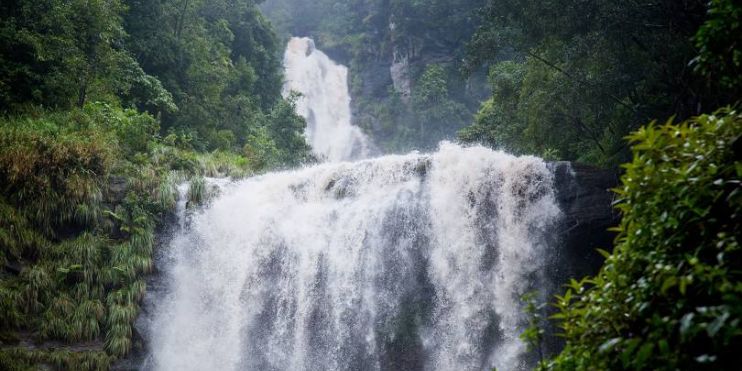
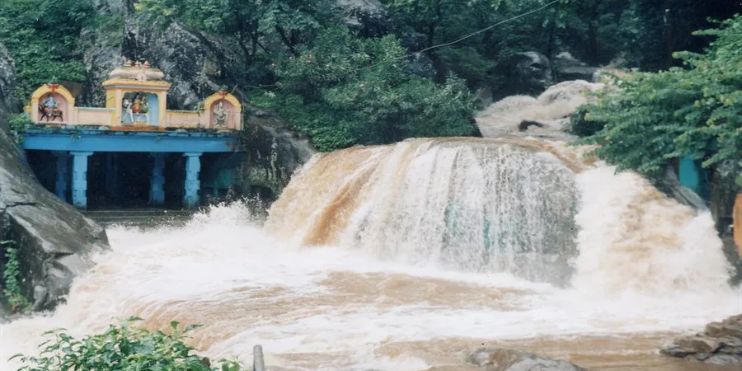
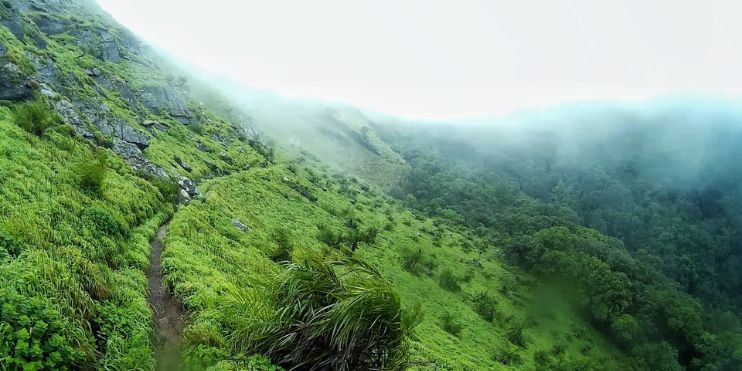
Official Chikkamagaluru district tourism describes Kemmangundi as a scenic hill station around 55 km north of Chikmagalur town, surrounded by thick forests and the Baba Budan Giri range. It is also known as K.R. Hills because Krishnaraja Wodeyar used the area as a summer retreat. 

It works particularly well for:

  • Nature lovers
  • Couples
  • Families comfortable with hill roads
  • Photographers
  • Trekkers
  • Weekend travellers
  • Waterfall-focused trips

Kemmangundi Travel Guide at a Glance

Detail What to Know
Destination Kemmangundi Hill Station
Location Chikmagalur district, Karnataka
Elevation Approximately 1,434 meters
Also known as K.R. Hills
Distance from Chikmagalur Around 55 km according to district tourism
Distance from Bengaluru Around 250 km
Main experiences Z Point, waterfalls, trekking, gardens, sunset views
Major waterfall Hebbe Falls
Nearby waterfall Kalhatti Falls
Scenic trek Z Point trek via the Shanti Falls side
Nearest rail option listed by Karnataka Tourism Birur Junction, around 34 km
Ideal trip length One full day, or an overnight hill getaway
Good general season Post-monsoon through winter

Official tourism information places Kemmangundi 55 km north of Chikmagalur town and around 250 km by road from Bengaluru.

Why Kemmangundi Is Different From a Single Mountain Peak

The existing page repeatedly describes the destination as though Kemmangundi Peak were one defined summit.

A better way to plan your visit is to think of Kemmangundi as a hill-station region containing viewpoints, trails, forests, and waterfalls.

The main experiences include:

  • Z Point
  • Shanti Falls
  • Hebbe Falls
  • Kalhatti Falls
  • Raj Bhavan viewpoint
  • Ornamental gardens
  • Western Ghats forest trails

This distinction matters because you do not simply “climb Kemmangundi Peak.” Instead, you decide which experiences to include within the broader Kemmangundi circuit.

The Royal History Behind Kemmangundi and K.R. Hills

Kemmangundi is also known as K.R. Hills, a name connected with Krishnaraja Wodeyar, who used the area as a favourite summer retreat.

The district tourism authority highlights both its royal association and its landscaped gardens, forests, streams, and mountain views.

The destination therefore combines two distinct qualities: a landscaped hill retreat and a base for exploring wilder Western Ghats trails and waterfalls.

Best Places to Visit in Kemmangundi

The main places to visit in Kemmangundi can be covered efficiently when you organize them around access and time required.

1. Z Point Kemmangundi

Z Point Kemmangundi is one of the main reasons to visit the hill station.

The viewpoint opens towards the Western Ghats and surrounding valleys. Karnataka Tourism highlights Z Point as one of Kemmangundi’s primary attractions and specifically recommends it for its Western Ghats views.

Unlike a drive-up viewpoint, reaching Z Point involves walking through the hill landscape.

What to Expect

Expect:

  • Forest and grassland sections
  • Changing mountain weather
  • Open valley views
  • Uneven or slippery sections during rain
  • Shanti Falls along the broader trekking route

The experience is better if you start early and leave enough time to return before poor visibility or evening weather becomes an issue.

2. Shanti Falls

Shanti Falls is closely associated with the route towards Z Point.

Karnataka Tourism specifically lists the waterfall as one of the highlights visitors can experience while trekking around Kemmangundi.

It is best treated as part of the walking experience rather than a completely separate half-day destination.

During and immediately after heavy rain:

  • Rocks can become slippery.
  • Water levels may change.
  • Leeches can be common on wet forest trails.
  • Mist can reduce visibility.

Wear proper trekking footwear rather than sandals or smooth-soled shoes.

3. Hebbe Falls

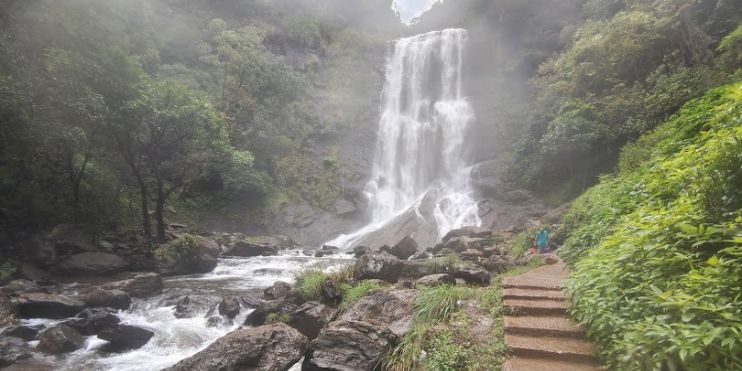
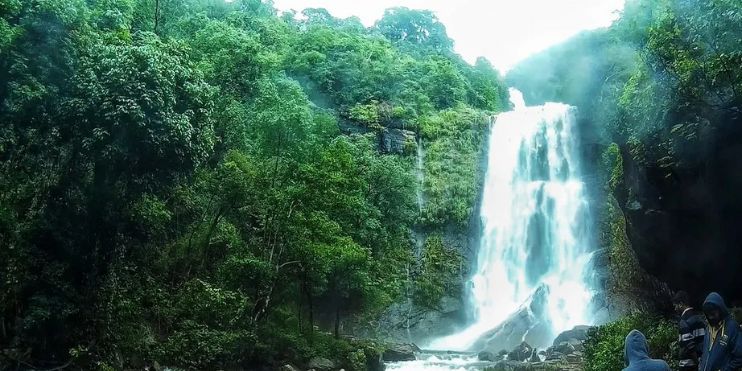
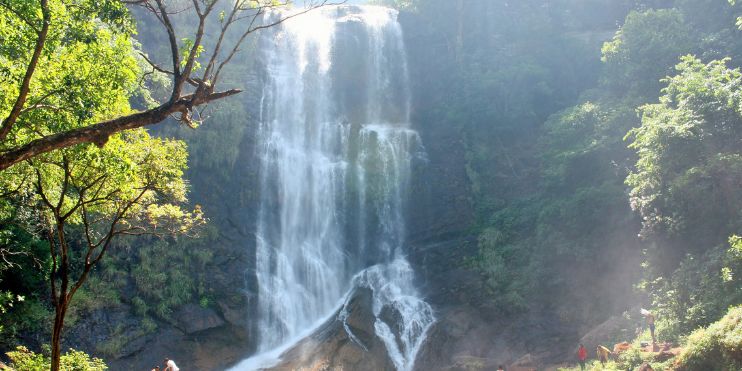
A large waterfall in the jungle, Hebbe Falls, divided into Dodda Hebbe (Big Falls) and Chikka Hebbe (Small Falls), accessible via trek or jeep ride.Hebbe Falls is one of the strongest reasons to dedicate a full day to Kemmangundi.

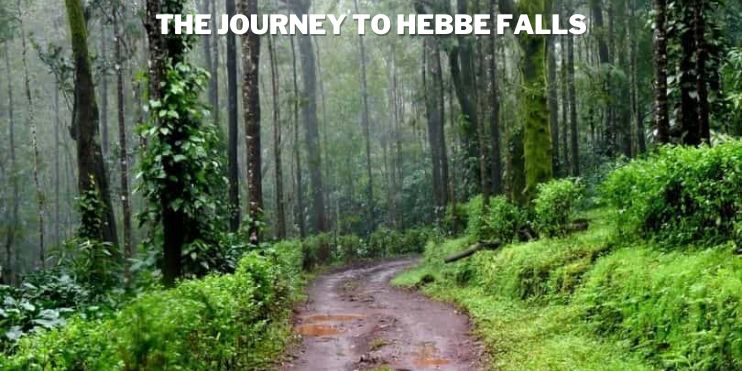
The waterfall is around 10 km from Kemmangundi and drops approximately 168 metres in two stages known as Dodda Hebbe and Chikka Hebbe. Karnataka Tourism states that visitors can reach it by a longer forest trek or use authorized 4×4 jeep transport for part of the journey before walking the final section.

Before Visiting Hebbe Falls

Plan for:

  • Separate waterfall access time
  • Jeep or authorized local transport where applicable
  • A final walking section
  • Forest & coffee-estate terrain
  • Streams and slippery rocks
  • Seasonal access changes

Tickets & permissions are handled at the local entry point according to current arrangements. Avoid relying on an old blog for exact jeep fares or entry charges because these can change.

Best Season for Hebbe Falls

October to February generally provides a useful balance between water flow & accessibility. Peak monsoon makes the falls dramatic but can also make trekking difficult or unsafe.

4. Kalhatti Falls

A mesmerizing waterfall cascading down 122 meters with a small temple in the middle, Kalhatti Falls near Kemmangundi offers a perfect spot for relaxation and exploration.Kalhatti Falls, also called Kallathigiri Falls, lies around 10 km from Kemmangundi.

Karnataka Tourism describes the site as a waterfall flowing over distinctive rock formations with a temple nearby, making it suitable for travellers who want to combine scenery with a religious stop.

Unlike Hebbe Falls, it can work as a shorter stop within a broader itinerary.

5. Raj Bhavan Kemmangundi

Raj Bhavan Kemmangundi is strongly associated with the hill station’s royal history & views.

Official district tourism highlights the sunset scenery from the Raj Bhavan area and describes Kemmangundi’s landscaped gardens as one of its defining attractions.

This is a useful option if some members of your group prefer easy sightseeing over a longer Kemmangundi trek.

Best For

  • Sunset views
  • Families
  • Photography
  • Short walks
  • Travellers with limited trekking time

6. Ornamental Gardens and Hill Landscapes

Kemmangundi’s landscaped gardens provide a gentler alternative to waterfall access and trekking.

The official tourism pages specifically mention the ornamental gardens, lush vegetation, and mountain-and-valley scenery that developed around the former royal retreat.

Combine this area with Raj Bhavan rather than treating it as another distant attraction.

Kemmangundi Trekking: What Should You Actually Trek?

Generic articles often describe Kemmangundi trekking as though dozens of formal marked trails are available.

For most short-stay visitors, the clearest trekking experience is the Z Point trek.

Z Point Trek

The route leads from the Kemmangundi area towards Z Point through Western Ghats terrain, with Shanti Falls forming part of the experience.

The Route Is Best For

  • Travellers comfortable walking on natural terrain
  • Couples
  • Groups of friends
  • Landscape photographers
  • Moderate outdoor enthusiasts

Prepare for

  • Sudden cloud cover
  • Rain
  • Wet rocks
  • Mud
  • Leeches during wetter periods
  • Strong wind on exposed ridges

Do not start late simply because the distance looks short on a map.

Hebbe Falls Trek

The second important walking experience is the approach to Hebbe Falls.

Official Karnataka Tourism information describes a roughly 7 km one-way forest trek as one option, while travellers can alternatively use local 4×4 access for part of the route and walk the final stretch.

For a typical weekend visitor, using the current authorized transport arrangement can make it easier to combine the waterfall with other Kemmangundi tourist places.

Things to Do in Kemmangundi

The things to do in Kemmangundi extend beyond trekking.

Depending on season and fitness, you can:

  1. Trek to Z Point.
  2. Stop at Shanti Falls.
  3. Explore Hebbe Falls.
  4. Visit Kalhatti Falls.
  5. Watch the sunset around Raj Bhavan.
  6. Walk through the ornamental garden area.
  7. Photograph Western Ghats valleys.
  8. Combine the trip with Bhadra Wildlife Sanctuary.
  9. Stay around a coffee-estate landscape.
  10. Spend a slower day enjoying the hill climate.

Avoid trying to fit every activity into half a day. Hebbe Falls alone deserves a significant time block.

A Practical One-Day Kemmangundi Itinerary

A good Kemmangundi weekend trip should prioritize the attractions that require early access.

Early Morning: Start With Hebbe Falls

Begin with Hebbe Falls because access arrangements, jeep availability, and forest conditions can affect how long the visit takes.

Allow enough time for:

  • Check-in or ticket formalities
  • Jeep travel where required
  • Walking
  • Waterfall time
  • Return journey

Early Afternoon: Kemmangundi and Raj Bhavan

After Hebbe Falls, move towards the central hill-station area.

Spend time around:

  • Raj Bhavan Kemmangundi
  • Ornamental gardens
  • Hill viewpoints

This gives you a lower-intensity section after the waterfall trip.

Late Afternoon: Z Point and Shanti Falls

If weather and daylight are suitable, finish with the Z Point trek.

The route gives you Western Ghats scenery and the opportunity to see Shanti Falls along the broader trail.

If rain or thick fog develops, skip the trek rather than forcing a viewpoint visit with poor visibility.

Alternative: Kalhatti Falls

Families or visitors who prefer less trekking can replace Z Point with Kalhatti Falls.

Two-Day Kemmangundi Itinerary

If you have two days, the experience becomes significantly less rushed.

Day 1

Hebbe Falls → Kemmangundi Gardens → Raj Bhavan

Day 2

Z Point → Shanti Falls → Kalhatti Falls

If wildlife is a major interest, substitute part of Day 2 with Bhadra.

Best Time to Visit Kemmangundi

The best time to visit Kemmangundi depends on whether you prioritize waterfalls, trekking or clearer valley views.

September to November

Post-monsoon conditions bring rich greenery and strong waterfall flow.

This is an attractive period for photography, but trails can remain wet and slippery.

December to February

Winter is one of the easiest periods for general sightseeing and trekking because rainfall usually reduces and mornings feel cooler.

This period is particularly useful for:

  • Z Point
  • Raj Bhavan
  • Walking
  • Photography
  • Family sightseeing

March to May

Kemmangundi remains cooler than many lower-elevation areas, but conditions become drier, and waterfall flow may reduce.

June to August

The monsoon creates dramatic scenery, clouds, and strong Kemmangundi waterfalls. It also brings the highest possibility of:

  • Slippery roads
  • Trail restrictions
  • Leeches
  • Low visibility
  • Heavy rainfall
  • Difficult waterfall access

Karnataka Tourism continues to highlight Kemmangundi as a monsoon destination, particularly for its cloud-covered valleys and waterfalls, but travellers should adjust activities to current weather.

How to Reach Kemmangundi

A lush green mountain in Chikmagalur district, Karnataka, easily accessible by road, rail, or air. Detailed travel guide included.Understanding how to reach Kemmangundi is important because the final part of the journey involves hill roads.

Kemmangundi, From Chikmagalur

The official district tourism page places Kemmangundi approximately 55 km north of Chikmagalur town. Lingadahalli is identified as an important junction on the approach.

For Kemmangundi from Chikmagalur, start early if you plan to include Hebbe Falls or a trek.

Approximate Distance

Around 55 km according to district tourism.

Mountain-road travel time can vary according to rain, road work and traffic.

Kemmangundi, From Bangalore

Official Karnataka Tourism places Kemmangundi from Bangalore at around 250 km by road.

An overnight stay is usually a better choice than attempting a rushed same-day return if you also want Hebbe Falls and Z Point.

By Train

Karnataka Tourism lists Birur Junction as the nearest railway station at approximately 34 km from Kemmangundi.

Arrange onward road transport before arrival if possible.

Road Travel Tips

Before driving:

  • Download offline maps.
  • Refuel before entering smaller hill routes.
  • Avoid unnecessary night driving in unfamiliar forest sections.
  • Check rainfall and road conditions.
  • Leave additional braking distance on wet roads.
  • Keep water and basic snacks in the vehicle.

Places to Visit Near Kemmangundi

Once you have covered the main Kemmangundi tourist places, several wider Chikmagalur attractions can extend the trip.

Bhadra Wildlife Sanctuary

Entrance to Kerala elephant sanctuary near Kemmangundi, Bhadra Wildlife Sanctuary. Home to birds, elephants, tigers. Guided tours, safari rides, bird viewing. Serene retreat.
Official Karnataka Tourism places Bhadra Wildlife Sanctuary around 53 km from Kemmangundi.

It is a better choice for a separate wildlife-focused day than something to squeeze between Hebbe Falls and Z Point.

Mullayanagiri

A scenic mountain road leading to Mullayanagiri, the highest peak in Karnataka, offering panoramic views and a spiritual temple at the summit.Mullayanagiri is Karnataka’s highest peak and lies around 68 km from Kemmangundi, according to Karnataka Tourism.

Do not describe it as a “short nearby drive.” It belongs to a different hill circuit and is better included on a separate day.

Ayyana Kere

Karnataka Tourism lists Ayyana Kere approximately 58 km from Kemmangundi.

It can work well for travellers continuing through the wider Chikmagalur district rather than those with only one day.

Bhadra Dam and Lakkavalli

Travellers staying on the Tarikere and Kemmangundi side of Chikmagalur can also consider the Bhadra Dam area.

What to Carry for a Kemmangundi Trip

A practical packing list for Kemmangundi trekking and waterfall sightseeing includes:

  • Walking or trekking shoes with grip
  • Drinking water
  • Light snacks
  • Rain jacket during wet months
  • Warm layer for cooler mornings
  • Hat and sunscreen for clearer days
  • Insect or leech protection during monsoon
  • Waterproof protection for phones and cameras
  • Basic personal medication
  • Power bank
  • Small first-aid kit

Avoid carrying unnecessary heavy luggage on the Z Point or waterfall routes.

Safety Tips for Kemmangundi

Western Ghats weather can change quickly, so use conditions on the day rather than an old itinerary as your guide.

Keep these points in mind:

  • Do not enter restricted forest trails.
  • Avoid standing close to waterfall edges.
  • Do not assume swimming is safe because other visitors are in the water.
  • Avoid isolated trails after dark.
  • Turn back if fog reduces visibility significantly.
  • Check current Hebbe Falls access before departing.
  • Wear suitable footwear.
  • Follow local Forest Department and tourism instructions.
  • Keep the hill environment free from plastic and litter.

Who Should Visit Kemmangundi?

Couples

Kemmangundi works well for couples interested in scenic drives, waterfalls, coffee-estate surroundings, and short hill walks.

Families

Families can focus on gardens, Raj Bhavan, Kalhatti Falls, and viewpoints while adjusting trekking according to age and fitness.

Groups of Friends

The combination of the Z Point trek, Hebbe Falls, and surrounding outdoor experiences makes the area suitable for groups.

Photographers

Post-monsoon greenery, clouds, waterfalls, and sunset landscapes provide strong photography opportunities.

Adventure Travellers

For active travellers, the combination of trekking and forest waterfall access gives Kemmangundi a stronger outdoor focus than a conventional sightseeing hill station.

Where to Stay Near Kemmangundi

Near a large tree, cottages at Ranga Taana resort in Chikmagalur offer luxury and nature experiences.If your itinerary revolves around Z Point, waterfalls, and the Tarikere side of Chikmagalur, choosing a resort in Kemmangundi reduces the need to drive back towards Chikmagalur town after every outing.

At Ranga Taana, we are located at Ranganatha Estate in Tarikere Taluk, on the Kemmangundi side of Chikmagalur. Our current stay options include wooden cottages, deluxe cottages, and traditional cottages. 

Our property also highlights:

  • Coffee-estate surroundings
  • Wooden cottages
  • Swimming pool
  • Waterfall experiences
  • Trekking
  • Mountain views
  • Garden areas
  • Outdoor activities

Explore our resort in Kemmangundi before planning your sightseeing route.

Stay Close to Kemmangundi’s Nature Experiences

The sun sets over Kemmangundi Peak's mountain range, grass, and hill. Ideal months to visit are September through March for pleasant weather.When you stay on this side of the district, it becomes easier to build a trip around the destinations that actually belong together geographically.

You can combine:

Ranga Taana → Kemmangundi → Hebbe Falls → Z Point → Kalhatti Falls

Then use a separate day for Bhadra, Mullayanagiri, or other distant attractions.

Explore our accommodation or browse our activities before your stay.

Plan Kemmangundi as a Hill Station, Not a Single Peak

The best way to experience Kemmangundi Chikmagalur is to stop treating it as one viewpoint to tick off.

Give Hebbe Falls enough time. Walk towards Z Point when weather permits. Add Shanti Falls naturally along the route, enjoy the Raj Bhavan side of the hill station, and use Kalhatti Falls as another nearby nature stop.

If you are planning an overnight trip, stay on the Kemmangundi and Tarikere side of Chikmagalur so you can spend less time retracing long routes.

At Ranga Taana, we provide a nature-focused base for this part of your trip with cottages, coffee-estate surroundings, a swimming pool, and outdoor experiences.

Frequently Asked Questions

Is Kemmangundi a peak or a hill station?

Kemmangundi is primarily a Kemmangundi hill station in the Baba Budan Giri range rather than one individual summit. Travellers sometimes use Kemmangundi Peak informally when referring to its elevated viewpoints and mountain landscape. Official tourism describes it as a hill station at approximately 1,434 meters. 

Is Kemmangundi worth visiting?

Yes. It is particularly worthwhile for travellers interested in Z Point, Western Ghats scenery, waterfalls, trekking, and a quieter nature-focused trip.

What are the best places to visit in Kemmangundi?

The main places to visit in Kemmangundi include Z Point Kemmangundi, Shanti Falls, Hebbe Falls, Kalhatti Falls, the Raj Bhavan area, and ornamental gardens. 

How far is Kemmangundi from Chikmagalur?

Official Chikkamagaluru district tourism places Kemmangundi from Chikmagalur at approximately 55 km north of the city. 

How far is Kemmangundi from Bangalore?

Karnataka Tourism places Kemmangundi from Bangalore at approximately 250 km by road. 

How do you reach Hebbe Falls from Kemmangundi?

Hebbe Falls is around 10 km from Kemmangundi. Visitors can trek through the forest or use authorised 4×4 jeep transport for part of the journey before walking the remaining section. Current tickets and permissions should be confirmed at the local entry point. 

Is Z Point difficult to reach?

The Z Point trek involves walking through natural hill terrain rather than simply driving to the viewpoint. Conditions become harder during rain because of mud, slippery sections, and reduced visibility.

Can children visit Kemmangundi?

Yes. Families can choose easier attractions such as the ornamental gardens, the Raj Bhavan area, and selected waterfall stops. Longer treks should be chosen according to the child’s age, fitness, and current trail conditions.

What is the best time to visit Kemmangundi?

For many travellers, the best time to visit Kemmangundi is from the post-monsoon period through winter. Post-monsoon offers greener scenery and stronger waterfalls, while winter generally provides easier walking conditions.

Can Hebbe Falls and Z Point be covered in one day?

Yes, if you start early and access conditions are favourable. Prioritise Hebbe Falls first because the journey takes longer, then use the later part of the day for Kemmangundi and Z Point.

Is Kemmangundi suitable for a weekend trip from Bangalore?

Yes. A Kemmangundi weekend trip works well over one or two nights. With roughly 250 km of road travel from Bengaluru, staying overnight gives you substantially more time for waterfalls and trekking than attempting a rushed day return.

Enquire/Know more about Ranga Taana Resort

Best nature stay among resorts in Chikmangalur

The Journey to Netravati Peak: A Trekker’s Paradise

Netravati Peak is a haven for adventure enthusiasts and nature lovers in Karnataka’s Western Ghats. This hidden gem offers a trekking experience with its diverse terrain, breathtaking views, and the promise of an unforgettable journey. For those who want to escape the busy and chaotic daily life, Netravati Peak is the ideal destination.

Located within the pristine Kudremukh National Park, Netravati Peak is well-known for its rich biodiversity and astonishing terrain. The trek to the summit takes you through lush forests, rolling grasslands, and rugged terrain, providing a perfect blend of challenge and beauty. Whether an experienced trekker or a novice, the journey to Netravati Peak will surely leave you mesmerized.

Netravati Trek Overview

A scenic green hill with clouds and grass, part of the challenging Netravati Peak trek in India.

Everything You Need to Know About the Netravati Peak Trek

The Netravati Peak trek spans approximately 12 km, with an elevation gain of over 1,520 meters. It is classified as moderate to strenuous, making it suitable for physically fit individuals. The diverse terrain includes dense forests, grasslands, and rocky sections, ensuring a dynamic and engaging trekking experience.

“The trek’s diversity keeps it exciting; from forests to grasslands, there’s always something new to see.”

Planning Your Trek to Netravati Peak

A serene landscape with a lush green hill covered in grass and surrounded by trees.

When to Trek Netravati Peak for the Best Experience

The best time to embark on the Netravati Peak trek is June to September. During this period, the monsoon changes the landscape into a lush green heaven, with rich flora and flowing streams enhancing the trekking experience. However, trekkers should be prepared for occasional rains and muddy trails, which add to the adventure and require caution.

“The monsoon season paints Netravati Peak in the most vibrant shades of green, making it an ideal time for nature enthusiasts to experience its full glory.”​

Navigating the Permit Process for Netravati Peak Trek

Before setting out on your trek, it is essential to obtain the necessary permits. The trek falls under the jurisdiction of Kudremukh National Park, and licenses can be acquired at the forest check post or arranged through local homestays. The entry fee is approximately Rs. 500 per person, with an additional charge for guides.

Note: Ensure you carry valid ID proofs and follow the policies provided by the forest division to complete your trek hassle-free​,

Packing Guide for Netravati Peak: Essentials You Can’t Forget

Packing the proper gear is essential for a successful trek. Noteworthy items include sturdy trekking shoes, a comfortable bag, water bottles, and a first aid kit. Additionally, carrying a raincoat, trekking poles, and navigation tools will ensure you are well-prepared for the varying conditions of the trek.

“Proper preparation prevents poor performance—always pack light but effectively for your trek.”

How to Reach Netravati Peak

A group of people walking on a trail in the rain.

Getting to Netravati Peak: Nearest Airports, Train Stations, and Bus Stops

Reaching Netravati Peak involves traveling to the base village of Samse, which is accessible from various transportation hubs. The nearest airport is Mangalore International Airport, located 86 km away. For those traveling by train, Hassan and Mangalore are the closest stations. Buses from major cities like Bangalore will take you to Kalasa, where you can hire local transport to Samse.

Best Routes to Netravati Peak: A Traveler’s Guide

The most common route from Bangalore is via Hassan, Belur, and Kalasa, leading to Samse. The journey takes about 6-7 hours by bus or private vehicle. Local buses or jeeps can be hired in Kalasa to go to the trek’s start. This route offers convenience and picturesque views along the way.

Note: Always check the local transport schedule beforehand to avoid any last-minute inconveniences.

Preparations for the Trek

How to Prepare Physically for the Netravati Peak Trek

Physical preparation is critical to enjoying the Netravati Peak trek. Physical exercises such as jogging, cycling, and swimming will build your endurance, while strength training will prepare your muscles for the demands of the ascent. Incorporating flexibility exercises like yoga will also help prevent injuries and ensure the trek.

“A well-prepared trekker is a happy trekker. Start your fitness regime at least a month before the trek.”

The Trekking Experience

Several individuals standing on a grassy hill, enjoying the scenic view.

Entering the Forests of Netravati Peak: What to Expect

The trek begins with a vertical ascent through dense forests. This initial segment is challenging but rewarding, as the site of the first waterfall greets trekkers after 1.5 km. The forest section is alive with the sounds of nature, creating an immersive experience that sets the tone for the journey ahead.

“The sound of the waterfall in the midst of dense forests is a symphony to the ears, refreshing your spirit as you trek along.”

From Forests to Grasslands: Netravati Peak’s Diverse Terrain

Emerging from the forests, trekkers enter the expansive grasslands. The terrain transitions from rocky trails to lush, open spaces, with the Netravati River adding a touch of tranquility to the scenery. This segment offers a mix of flat and steep sections, keeping trekkers engaged and excited about the changing landscapes.

Note: Watch for the diverse flora and fauna that thrive in the grassland areas.

Overcoming False Peaks: The Challenge of Netravati Peak

As you approach the summit, you will locate several false peaks. These can be mentally and physically challenging, but the final ascent is worth every effort. The last stretch is steep and demanding, but the panoramic views from the top make it all worthwhile. On a clear day, you can even spot Kudremukh Peak in the distance, adding to the sense of accomplishment.

“The false peaks test your determination, but the view from the top is a reward that makes every step worthwhile.”

Trek Distance and Duration

The trek to Netravati Peak spans approximately 12 kilometers. Trekkers should plan for about 6-7 hours to complete the round trip. This includes breaks to enjoy the scenery, rest, and tackle the challenging sections of the trail. Proper pacing and frequent hydration will ensure you enjoy the trek to the fullest​.

Note: You should start early in the morning to take advantage of the cooler temperatures and ensure you return before dusk.

Trail Information

Trek from the Forest Office to Two-Tier Waterfalls

People trekking up a steep hill covered in green grass, surrounded by dense forest. The sound of waterfalls in the background.

The initial stretch of the trek from the forest office to the two-tier waterfalls is one of the most picturesque segments. This part of the trail features a steep ascent through dense forest cover, where trekkers can enjoy the presence of various flora and fauna. The sound of the cascading waterfalls provides a refreshing break.

  • Trek Distance: 1.5 kilometers
  • Trek Duration: Approximately 1 hour​​

“This part of the trek is a sensory delight with the sound of the waterfall echoing through the forest.”

Two-Tier Waterfalls to the Stream

After enjoying the two-tier waterfalls, the trek continues towards a stream. This segment involves navigating through rocky terrains and open grasslands. The path is relatively flat, making it a pleasant walk with occasional ascents and descents.

  • Trek Distance: 2.5 kilometers
  • Trek Duration: Approximately 1.5 hours​​

Note: The stream is an excellent spot to rest and refill your water bottles.

Stream to Netravati Peak through Many False Peaks

A breathtaking mountain range with lush green hills, fluffy clouds, and a challenging trek to Netravati Peak summit.

The trek’s final and most challenging segment takes you from the stream to the summit of Netravati Peak. This part of the journey involves tackling several false peaks, which can be mentally and physically demanding. However, the effort is rewarded with stunning scenery from the summit.

  • Trek Distance: 8 kilometers
  • Trek Duration: Approximately 3-4 hours​​

“The final push to the summit is grueling but the panoramic views from the top make every step worthwhile.”

Combining physical preparation, the right gear, and the perfect timing makes your trek to Netravati Peak an unforgettable adventure. And after conquering the peak, Ranga Taana will be there to provide the ultimate relaxation experience, ensuring your journey is complete from start to finish.

Things to Do at Netravati Peak

Three hikers standing on a foggy hillside, preparing to conquer Netravati Peak's challenging final segment.

Reaching the Summit of Netravati Peak: What Awaits You

The summit of Netravati Peak offers breathtaking views of the surrounding valleys and peaks. Clouds playing over the landscape are a visual treat, creating a sense of serenity and fulfillment. This is the ideal place to relax, enjoy a packed lunch, and capture stunning photographs to remember the journey​.

“At the summit, you feel on top of the world. The endless views and the cool breeze make it a moment to cherish forever.”

Top Activities to Enjoy at Netravati Peak’s Summit

While at the summit, take time to appreciate the beauty around you. Engage in photography, meditate amidst nature, or sit back and soak in the views. It is essential to leave no trace, so remember to carry back all waste and preserve the pristine environment of Netravati Peak.

Note: Always respect nature by following the ‘Leave No Trace principle.’

Descending the Peak

Tips for a Safe Descent from Netravati Peak

Descending Netravati Peak requires caution, as the steep sections can be tricky. Trekking poles can aid in stability, and it is advisable to go slow and steady. The descent usually takes less time than the ascent, allowing trekkers to reach the base by early evening. Always be ready for sudden weather changes and ensure your safety.

“A safe descent is as important as a successful ascent. Take your time and enjoy the journey back.”

Relaxing After Your Netravati Peak Trek: What to Do Next

After completing the trek, unwind at a nearby homestay or lodge. Enjoy a warm meal, share stories around a campfire, and rest well. Nearby attractions like the Kalasa Hanging Bridge and Belur Temple provide further exploration and relaxation​opportunities.

Note: Local homestays offer a unique cultural experience and a chance to interact with the local community.

Places to Visit After the Netravati Trek

Must-Visit Places After Your Netravati Peak Trek

After completing the exhilarating trek to Netravati Peak, several nearby attractions are worth exploring. These destinations offer natural beauty, cultural heritage, and spiritual tranquility, making them perfect additions to your trekking adventure.

Kalasa Hanging Bridge

Three hikers standing on a foggy hillside, preparing to conquer Netravati Peak's challenging final segment.

The Kalasa Hanging Bridge is a serene spot located approximately 10 kilometers from the base of Netravati Peak. This scenic bridge offers spectacular views of the river and surrounding landscapes, making it an ideal place to relax and enjoy the tranquility after a strenuous trek.

  • Distance from Netravati Peak: 10 kilometers

Note: The bridge is a popular spot for photography, specifically during the early morning and late afternoon when the light is perfect.

Kodige Falls

A man standing in front of Kodige Falls, a picturesque waterfall in the jungle, 15 km from Netravati Peak.

Kodige Falls is another beautiful destination, around 15 kilometers from Netravati Peak. The waterfall cascades down in a picturesque manner, creating a refreshing spot to take a dip and relax. It’s a great place to unwind and enjoy the region’s natural beauty.

  • Distance from Netravati Peak: 15 kilometers

“The cool, clear waters of Kodige Falls are a perfect way to rejuvenate after your trek.”

Sringeri

A large temple with a tower in front, part of Sringeri's cultural and spiritual heritage in Karnataka, known for its serene ambiance.

For those interested in exploring Karnataka’s cultural and spiritual heritage, Sringeri is a must-visit. Located approximately 70 kilometers from Netravati Peak, Sringeri is home to the ancient Sharada Peetham and several other temples. The town is known for its serene ambiance and rich history.

  • Distance from Netravati Peak: 70 kilometers

“Sringeri offers a peaceful retreat with its spiritual atmosphere and historical significance.”

Dharmasthala

A bustling pilgrimage site in Dharmasthala, Karnataka, with a large white and red building and people walking around.

Dharmasthala is a renowned pilgrimage site about 80 kilometers from Netravati Peak. It is famous for its ancient Manjunatha Temple, which attracts devotees from all over the country. The town also offers a glimpse into the rich cultural traditions of Karnataka.

  • Distance from Netravati Peak: 80 kilometers

Note: The temple town of Dharmasthala is known for its charitable activities and cultural festivals, making it a unique destination to explore.

Chennakesava Temple, Belur

The Chennakesava Temple in Belur, surrounded by trees, is a large stone building with intricate carvings.

The Chennakesava Temple in Belur is an architectural marvel approximately 90 kilometers from Netravati Peak. Built during the Hoysala dynasty, it is famous for its complex carvings and sculptures, which showcase the artistry of the time.

  • Distance from Netravati Peak: 90 kilometers

“The detailed carvings of Chennakesava Temple are a testament to the craftsmanship of the Hoysala period.”

Horanadu Annapoorneshwari Temple

The entrance to Horanadu Annapoorneshwari Temple, surrounded by lush greenery, offers a serene spiritual retreat in India.

Situated around 60 kilometers from Netravati Peak, the Horanadu Annapoorneshwari Temple is a revered spiritual destination. Surrounded by dense greenery, the temple provides a peaceful environment for visitors to seek blessings and enjoy the region’s natural beauty.

  • Distance from Netravati Peak: 60 kilometers

“The peaceful ambiance of Horanadu Annapoorneshwari Temple provides a perfect spiritual retreat after a challenging trek.”

These nearby attractions enhance your trekking adventure by offering diverse experiences, from scenic beauty and relaxation to cultural and spiritual enrichment. Each place has its fantastic charm and is worth exploring after the trek to Netravati Peak.

Rest and Rejuvenate at Ranga Taana After Your Netravati Peak Trek

Three people standing in front of a stone wall at Ranga Taana resort after an exhilarating trek to Netravati Peak.

After an exhilarating trek to Netravati Peak, there’s no better place to unwind than Ranga Taana. Nestled amidst lush greenery, our resort offers the perfect retreat for tired trekkers. Relax in our comfortable accommodations, savor delicious local cuisine, and enjoy the serene surroundings that provide a much-needed break from the physical needs of your adventure.

To explore more local attractions near our resort, check out “Exploring Chikmagalur: A Guide to Local Attractions Near Ranga Taana“.

At Ranga Taana, you can indulge in a variety of activities to soothe your mind and body. Walk through our beautifully landscaped gardens, enjoy a refreshing swim in our pool, or simply lounge in one of our cozy nooks with a good book. Our resort is designed to offer tranquility and rejuvenation, ensuring that you leave feeling refreshed and recharged.

We understand the needs of trekkers and offer amenities tailored to your comfort. Our spa services are perfect for soothing sore muscles, while our friendly staff is always ready to assist you with anything you need. After a long day of trekking, let us pamper you with our exceptional hospitality and warm ambiance.

For more nearby destinations to explore during your stay, visit our “Top 10 Nearby Destinations” Blog.

Conclusion

The trek to Netravati Peak is an adventure combining physical challenge and natural beauty. From dense forests and rolling grasslands to breathtaking summit views, every moment of the trek is filled with wonder and excitement. Whether you are a seasoned trekker or a beginner, Netravati Peak promises an experience that will stay with you long after the trek​.

Netravati Peak is a journey into Karnataka’s untamed wilderness. The trek presents a perfect blend of adventure, peace, and natural beauty, making it a must-visit for every trekker. Plan your post-trek stay at Ranga Taana today and experience the ultimate relaxation. Contact us now to book your stay and make your adventure even more memorable!

Enquire/Know more about Ranga Taana Resort

Best nature stay among resorts in Chikmangalur

Hebbe Waterfalls, Chikmagalur – A Hidden Gem for Nature Lovers & Adventure Seekers

Nestled in Chikmagalur, Hebbe Waterfalls is a testament to nature’s raw beauty. Known for its lush landscape and peaceful environment, Chikmagalur offers many natural attractions, with Hebbe Waterfalls being a crown jewel. This waterfall, cascading from a height of 168 meters, captivates tourists and nature enthusiasts alike. Its charm is in the falling waters and the journey to this picturesque location.

The Natural Beauty of Hebbe Waterfalls

A man walking next to a waterfall on a scenic path.

The two separate sections of Hebbe Waterfalls are Chikka Hebbe (Small Falls) and Dodda Hebbe (Big Falls). The water, rich with herbal properties, cascades down from the rocky heights into a pristine pool below, offering visitors a refreshing dip. The surrounding flora, consisting of dense forests and coffee plantations, adds to the allure, making it a paradise for nature lovers.

“The sight of Hebbe Waterfalls amidst the emerald hills of Chikmagalur is a mesmerizing experience, with the cascading waters creating a soothing symphony.”

Unique Features

  • Herbal-Infused Waters: The water at Hebbe Falls is believed to be infused with medicinal herbs, making it a natural jacuzzi.
  • Scenic Pool: The natural pool at the base of the falls offers a tranquil, relaxing spot.
  • Biodiversity: The area around Hebbe Falls is rich in biodiversity, with various species of plants and animals.

The Journey to Hebbe Falls

A serene waterfall surrounded by lush greenery, the journey to Herbe Falls is a peaceful escape into nature's beauty.

Reaching Hebbe Waterfalls is an adventure in itself. Located approximately 70 kilometers from Chikmagalur town, the journey involves a thrilling jeep ride and a trek through dense forests. This combination of rugged terrains and scenic vistas makes the trip exhilarating.

Location and Accessibility

  • Starting Point: The village nearest to where the journey begins is Kemmangundi.
  • Jeep Ride: The initial part of the journey involves a bumpy jeep ride through the forest.
  • Trek: Following the jeep ride, a trek through lush greenery leads you to the falls.

“The jeep ride and trek to Hebbe Waterfalls are filled with scenic beauty, making the journey as memorable as the destination itself.”

How to Reach Hebbe Waterfalls

How to Reach Hebbe Waterfalls

By Road

  • Routes and Landmarks: The journey from Chikmagalur town to Kemmangundi involves scenic routes through coffee plantations and dense forests. Landmarks include the picturesque Kemmangundi Hill Station.
  • Travel Tips: Ensure your vehicle is in good condition, as the roads can be rough.

By Rail

  • Railway Stations: The closest railway stations are in Birur and Kadur, both well-connected to major cities.
  • Connectivity: Taxis or buses can be hired from the railway station to reach Kemmangundi.

By Air

  • Nearest Airports: Mangalore International Airport and Kempegowda International Airport in Bangalore are the closest airports.
  • Travel Options: From the airports, you can hire a cab or take a bus to Chikmagalur and then proceed to Kemmangundi.

“The diverse travel options to reach Hebbe Waterfalls ensure that visitors from all over can experience its beauty.”

Best Time to Visit Hebbe Waterfalls

A serene waterfall cascades through lush greenery, with people admiring its beauty from a distance.

The best time to visit Hebbe Waterfalls is during the post-monsoon season, from September to February. The waterfall flows entirely flows entirely during this period, and the greenery is lush and vibrant.

Seasonal Highlights

  • Monsoon Magic: The waterfall is most voluminous during the monsoon, creating a spectacular sight.
  • Winter Tranquility: Winter offers a serene atmosphere, clear skies, and pleasant weather.

“Visiting Hebbe Falls during the post-monsoon months provides a perfect blend of enhanced waterfall flow and lush green surroundings.”

Things to Do at Hebbe Falls

Trekking and Hiking

A group of hikers ascending a hillside trail, heading towards a majestic waterfall in the distance.

The trek to Hebbe Waterfalls is an adventure that nature enthusiasts should take advantage of. The track is covered by dense forests and scenic spots, offering breathtaking views at every turn.

  • Trek Route: The trek starts from Kemmangundi and covers a distance of approximately 8 kilometers.
  • Scenic Viewpoints: Along the trek, there are several spots where you can stop and take in the panoramic views.

Swimming and Relaxing

A lush green forest with a waterfall in the middle.

The natural pool at the base of the falls is perfect for a refreshing swim. The herbal-infused waters add a unique touch and offer relaxation and therapeutic benefits.

  • Swimming Spots: Safe areas for swimming are marked, ensuring a pleasant experience.
  • Relaxation: The serene surroundings make it an ideal spot to unwind and enjoy the tranquility of nature.

Photography and Sightseeing

Hebbe Waterfalls provides numerous opportunities for photography enthusiasts. The play of light on the cascading waters and the lush greenery create perfect photo opportunities.

  • Best Angles: Early morning and late afternoon offer the best lighting for photography.
  • Nearby Attractions: Explore the nearby picnic spots and viewpoints for more scenic shots.

“Hebbe Falls offers an idyllic setting for photographers, with its cascading waters and dense green surroundings providing numerous opportunities for stunning captures.”

Nearby Attractions

Kemmangundi Hill Station

Scenic road leading to Kodaikanal, surrounded by lush greenery and misty mountains in the background.

Kemmangundi is a popular hill station near Hebbe Falls, known for its beautiful gardens, trekking trails, and panoramic views. It is an ideal spot for a day trip, offering a blend of natural beauty and recreational activities.

  • Gardens and Trails: Explore the manicured gardens and embark on trekking trails to Z Point and other scenic spots.
  • Proximity: Located just 10 kilometers from Hebbe Waterfalls, it is a convenient addition to your itinerary.

Bhadra Wildlife Sanctuary

Entrance to Kerala elephant sanctuary, with lush greenery and a welcoming archway.

Located near Chikmagalur, the Bhadra Wildlife Sanctuary is a haven for wildlife enthusiasts. It is home to various species of flora and fauna and offers safari tours that allow visitors to experience the wildlife up close.

  • Wildlife Safari: Participate in guided safaris to spot tigers, elephants, and other wildlife.
  • Bird Watching: The sanctuary is a heaven for bird watchers, with numerous species of birds inhabiting the area.

Mullayanagiri Peak

Scenic mountain landscape with a winding road on top, showcasing the beauty of nature and travel.

Mullayanagiri, the highest peak in Karnataka, offers breathtaking views and is a popular trekking destination. The trail to the peak is challenging but rewarding, with panoramic views of the Western Ghats.

  • Trekking: The trek to Mullayanagiri is a favorite among adventure seekers.
  • Scenic Views: The peak provides stunning views of the surrounding landscape, specifically during sunrise and sunset.

Bababudangiri Hills

Man standing on mountain peak overlooking lush green valley.

These hills, named after the saint Baba Budan, are famous for their picturesque landscapes and coffee plantations. The area is also known for its historical significance and natural beauty.

  • Manikyadhara Falls: A beautiful waterfall located in the Bababudangiri Hills.
  • Caves and Historical Sites: Explore the caves and other sites associated with Baba Budan.

Hirekolale Lake

A wooden bridge over a serene lake with a small pavilion in the background.

Hirekolale Lake is a serene spot near Chikmagalur. It is an excellent place for picnics and offers spectacular views of the surrounding hills, especially at sunset.

  • Boating: Enjoy a serene boat ride on the lake.
  • Photography: The lake is a popular spot for photography, with its calm waters reflecting the surrounding hills.

“The nearby attractions in Chikmagalur, including Kemmangundi, Bhadra Wildlife Sanctuary, Mullayanagiri Peak, Bababudangiri Hills, and Hirekolale Lake, add to the overall experience, making it a perfect destination for nature lovers.”

Tips for Visitors

Preparation and Packing

A woman sitting on a bed with an open suitcase, packing for a trip.

  • Essential Items: Carry sufficient water, snacks, and appropriate trekking footwear. A first-aid kit is also recommended.
  • Weather-Appropriate Clothing: Dress in layers to adjust to changing weather conditions. A raincoat is advisable during the monsoon.

Safety Tips

  • Designated Trails: Stick to the marked tracks to avoid getting lost or encountering dangerous wildlife.
  • Swimming Precautions: Only swim in selected areas and be mindful of the water currents.

Environmental Responsibility

  • Maintain Cleanliness: Ensure you do not litter and discard all your waste.
  • Eco-Friendly Practices: Respect the natural habitat and avoid disturbing wildlife.

“Being prepared and responsible ensures a safe and enjoyable visit to Hebbe Waterfalls while preserving its natural beauty for future generations.”

Ranga Taana: An Oasis of Relaxation Near Hebbe Waterfalls

A cozy cottage nestled in the picturesque village of Ranga Taana, surrounded by lush greenery and blooming flowers.

At Ranga Taana, we believe in providing our guests with a fantastic experience amidst the natural beauty of Chikmagalur. Located just a short drive from the magnificent Hebbe Waterfalls, our resort offers the perfect blend of luxury and nature. Imagine waking up to the sound of cascading water and the sight of lush greenery from your window – that’s the Ranga Taana promise.

Our resort is designed to cater to every need, whether seeking adventure or tranquility. Explore the nearby trails that lead to Hebbe Waterfalls, or relax in our well-appointed rooms, which offer panoramic views of the surrounding landscape. Our amenities include a spa, where you can rejuvenate after trekking, and a restaurant serving delicious local cuisine made from fresh, organic ingredients.

“Staying at Ranga Taana was the highlight of our trip to Chikmagalur. The proximity to Hebbe Waterfalls made it easy to explore the area’s natural beauty, and the resort’s facilities were top-notch.” – Guest Review.

For those looking to combine their visit to Hebbe Waterfalls with a luxurious stay, Ranga Taana is the ideal choice. Whether planning a romantic getaway, a family vacation, or a solo retreat, our resort offers something for everyone.

Conclusion

Hebbe Waterfalls is a breathtaking natural wonder showcasing Chikmagalur’s unparalleled beauty. Adventurers and nature enthusiasts should not miss the trip to the falls, the fun things to do there, and the tranquil surroundings. Visiting Hebbe Waterfalls offers a refreshing retreat and highlights the importance of preserving such natural treasures for the enjoyment of future generations. Take advantage of the chance to experience the best of Chikmagalur. Contact us today to book your stay and let Ranga Taana be your home away from home.

“Hebbe Waterfalls is not just a sight to behold but an experience that rejuvenates the mind and soul. It stands as a reminder of the beauty and tranquility that nature offers.”

Enquire/Know more about Ranga Taana Resort

Best nature stay among resorts in Chikmangalur