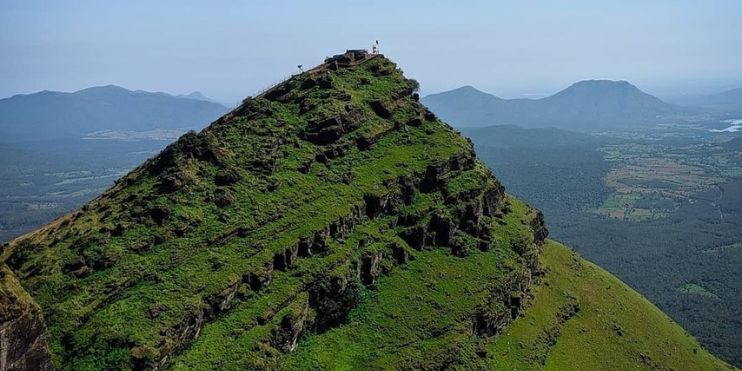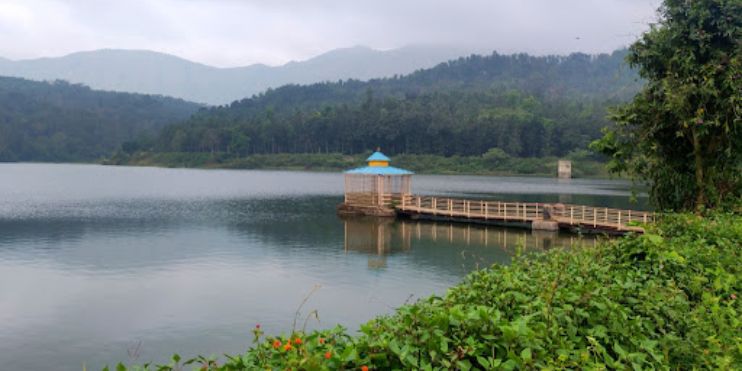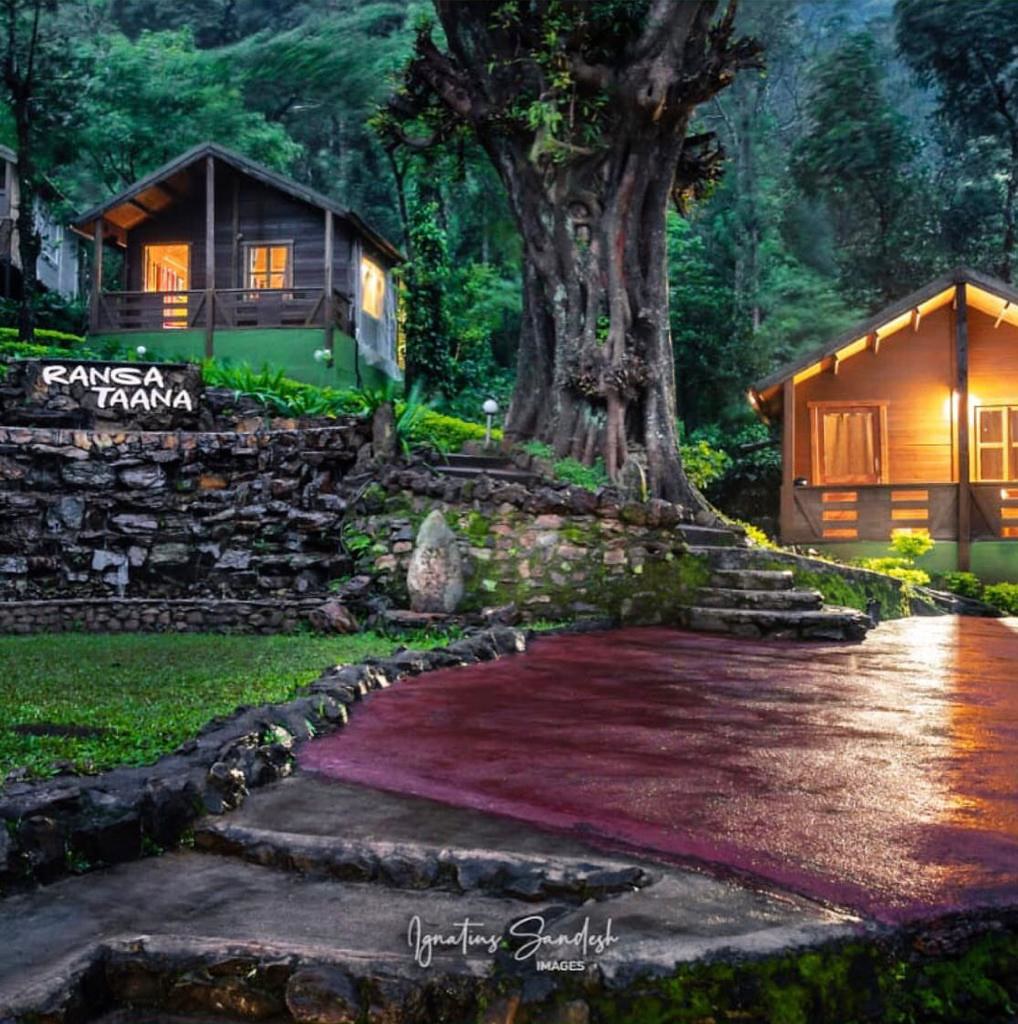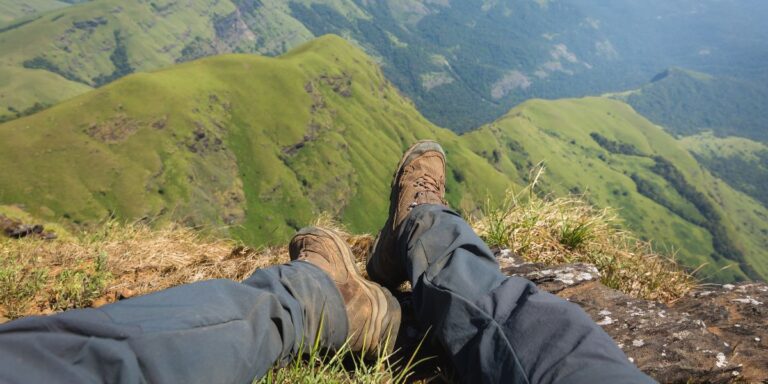
Kudremukh Travel

Netravati Peak

The Journey to Netravati Peak: A Trekker’s Paradise

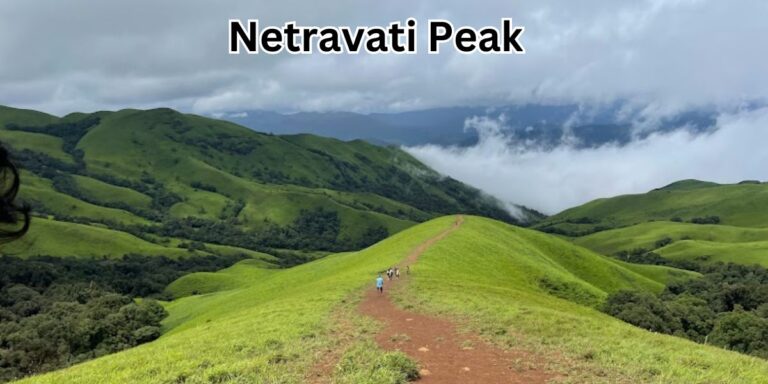
Netravati Peak is a haven for adventure enthusiasts and nature lovers in Karnataka’s Western Ghats. This hidden gem offers a trekking experience with its diverse terrain, breathtaking views, and the promise of an unforgettable journey. For those who want to escape the busy and chaotic daily life, Netravati Peak is the ideal destination.

Located within the pristine Kudremukh National Park, Netravati Peak is well-known for its rich biodiversity and astonishing terrain. The trek to the summit takes you through lush forests, rolling grasslands, and rugged terrain, providing a perfect blend of challenge and beauty. Whether an experienced trekker or a novice, the journey to Netravati Peak will surely leave you mesmerized.

Netravati Trek Overview
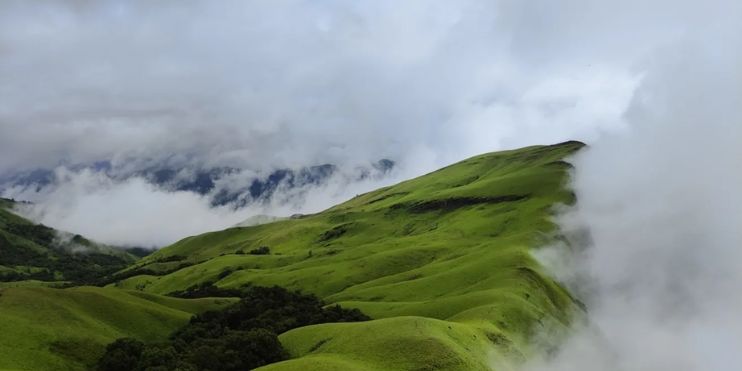
A scenic green hill with clouds and grass, part of the challenging Netravati Peak trek in India.

Everything You Need to Know About the Netravati Peak Trek

The Netravati Peak trek spans approximately 12 km, with an elevation gain of over 1,520 meters. It is classified as moderate to strenuous, making it suitable for physically fit individuals. The diverse terrain includes dense forests, grasslands, and rocky sections, ensuring a dynamic and engaging trekking experience.

“The trek’s diversity keeps it exciting; from forests to grasslands, there’s always something new to see.”

Planning Your Trek to Netravati Peak
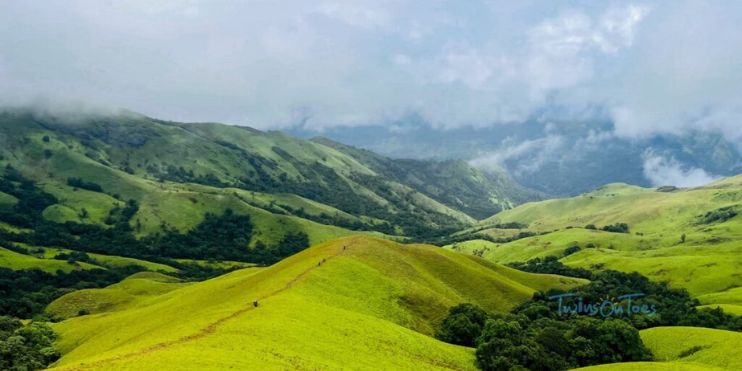
A serene landscape with a lush green hill covered in grass and surrounded by trees.

When to Trek Netravati Peak for the Best Experience

The best time to embark on the Netravati Peak trek is June to September. During this period, the monsoon changes the landscape into a lush green heaven, with rich flora and flowing streams enhancing the trekking experience. However, trekkers should be prepared for occasional rains and muddy trails, which add to the adventure and require caution.

“The monsoon season paints Netravati Peak in the most vibrant shades of green, making it an ideal time for nature enthusiasts to experience its full glory.”​

Navigating the Permit Process for Netravati Peak Trek

Before setting out on your trek, it is essential to obtain the necessary permits. The trek falls under the jurisdiction of Kudremukh National Park, and licenses can be acquired at the forest check post or arranged through local homestays. The entry fee is approximately Rs. 500 per person, with an additional charge for guides.

Note: Ensure you carry valid ID proofs and follow the policies provided by the forest division to complete your trek hassle-free​,

Packing Guide for Netravati Peak: Essentials You Can’t Forget

Packing the proper gear is essential for a successful trek. Noteworthy items include sturdy trekking shoes, a comfortable bag, water bottles, and a first aid kit. Additionally, carrying a raincoat, trekking poles, and navigation tools will ensure you are well-prepared for the varying conditions of the trek.

“Proper preparation prevents poor performance—always pack light but effectively for your trek.”

How to Reach Netravati Peak
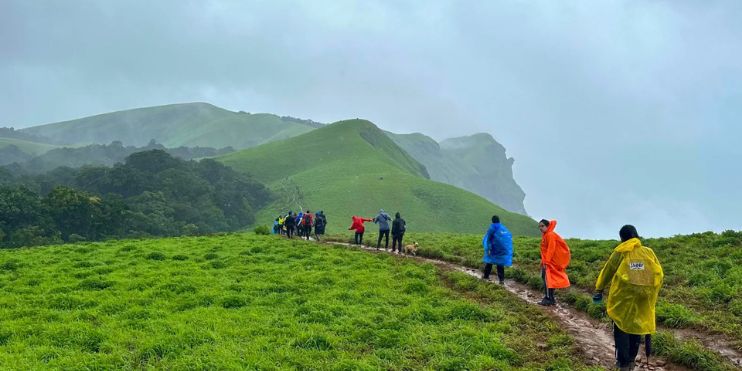
A group of people walking on a trail in the rain.

Getting to Netravati Peak: Nearest Airports, Train Stations, and Bus Stops

Reaching Netravati Peak involves traveling to the base village of Samse, which is accessible from various transportation hubs. The nearest airport is Mangalore International Airport, located 86 km away. For those traveling by train, Hassan and Mangalore are the closest stations. Buses from major cities like Bangalore will take you to Kalasa, where you can hire local transport to Samse.

Best Routes to Netravati Peak: A Traveler’s Guide

The most common route from Bangalore is via Hassan, Belur, and Kalasa, leading to Samse. The journey takes about 6-7 hours by bus or private vehicle. Local buses or jeeps can be hired in Kalasa to go to the trek’s start. This route offers convenience and picturesque views along the way.

Note: Always check the local transport schedule beforehand to avoid any last-minute inconveniences.

Preparations for the Trek

How to Prepare Physically for the Netravati Peak Trek

Physical preparation is critical to enjoying the Netravati Peak trek. Physical exercises such as jogging, cycling, and swimming will build your endurance, while strength training will prepare your muscles for the demands of the ascent. Incorporating flexibility exercises like yoga will also help prevent injuries and ensure the trek.

“A well-prepared trekker is a happy trekker. Start your fitness regime at least a month before the trek.”

The Trekking Experience
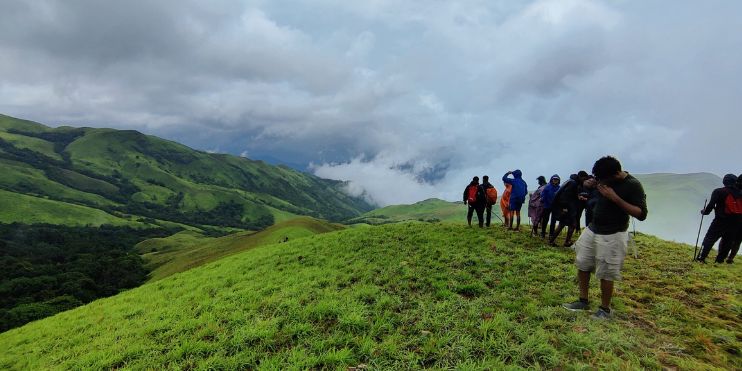
Several individuals standing on a grassy hill, enjoying the scenic view.

Entering the Forests of Netravati Peak: What to Expect

The trek begins with a vertical ascent through dense forests. This initial segment is challenging but rewarding, as the site of the first waterfall greets trekkers after 1.5 km. The forest section is alive with the sounds of nature, creating an immersive experience that sets the tone for the journey ahead.

“The sound of the waterfall in the midst of dense forests is a symphony to the ears, refreshing your spirit as you trek along.”

From Forests to Grasslands: Netravati Peak’s Diverse Terrain

Emerging from the forests, trekkers enter the expansive grasslands. The terrain transitions from rocky trails to lush, open spaces, with the Netravati River adding a touch of tranquility to the scenery. This segment offers a mix of flat and steep sections, keeping trekkers engaged and excited about the changing landscapes.

Note: Watch for the diverse flora and fauna that thrive in the grassland areas.

Overcoming False Peaks: The Challenge of Netravati Peak

As you approach the summit, you will locate several false peaks. These can be mentally and physically challenging, but the final ascent is worth every effort. The last stretch is steep and demanding, but the panoramic views from the top make it all worthwhile. On a clear day, you can even spot Kudremukh Peak in the distance, adding to the sense of accomplishment.

“The false peaks test your determination, but the view from the top is a reward that makes every step worthwhile.”

Trek Distance and Duration

The trek to Netravati Peak spans approximately 12 kilometers. Trekkers should plan for about 6-7 hours to complete the round trip. This includes breaks to enjoy the scenery, rest, and tackle the challenging sections of the trail. Proper pacing and frequent hydration will ensure you enjoy the trek to the fullest​.

Note: You should start early in the morning to take advantage of the cooler temperatures and ensure you return before dusk.

Trail Information

Trek from the Forest Office to Two-Tier Waterfalls
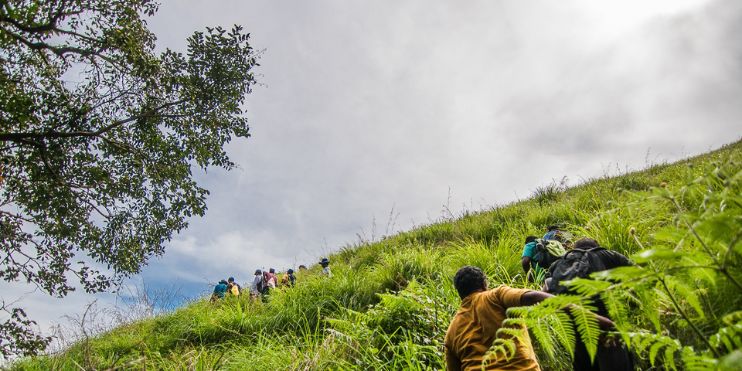
People trekking up a steep hill covered in green grass, surrounded by dense forest. The sound of waterfalls in the background.

The initial stretch of the trek from the forest office to the two-tier waterfalls is one of the most picturesque segments. This part of the trail features a steep ascent through dense forest cover, where trekkers can enjoy the presence of various flora and fauna. The sound of the cascading waterfalls provides a refreshing break.

  • Trek Distance: 1.5 kilometers
  • Trek Duration: Approximately 1 hour​​

“This part of the trek is a sensory delight with the sound of the waterfall echoing through the forest.”

Two-Tier Waterfalls to the Stream

After enjoying the two-tier waterfalls, the trek continues towards a stream. This segment involves navigating through rocky terrains and open grasslands. The path is relatively flat, making it a pleasant walk with occasional ascents and descents.

  • Trek Distance: 2.5 kilometers
  • Trek Duration: Approximately 1.5 hours​​

Note: The stream is an excellent spot to rest and refill your water bottles.

Stream to Netravati Peak through Many False Peaks
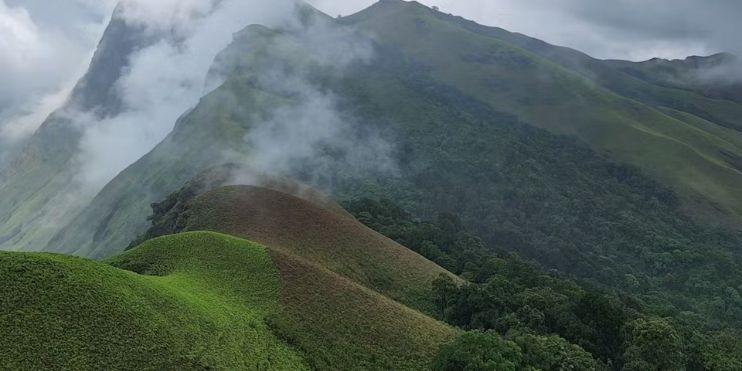
A breathtaking mountain range with lush green hills, fluffy clouds, and a challenging trek to Netravati Peak summit.

The trek’s final and most challenging segment takes you from the stream to the summit of Netravati Peak. This part of the journey involves tackling several false peaks, which can be mentally and physically demanding. However, the effort is rewarded with stunning scenery from the summit.

  • Trek Distance: 8 kilometers
  • Trek Duration: Approximately 3-4 hours​​

“The final push to the summit is grueling but the panoramic views from the top make every step worthwhile.”

Combining physical preparation, the right gear, and the perfect timing makes your trek to Netravati Peak an unforgettable adventure. And after conquering the peak, Ranga Taana will be there to provide the ultimate relaxation experience, ensuring your journey is complete from start to finish.

Things to Do at Netravati Peak
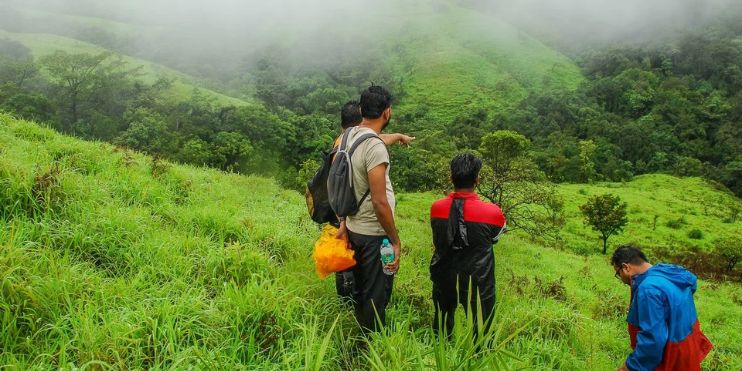
Three hikers standing on a foggy hillside, preparing to conquer Netravati Peak's challenging final segment.

Reaching the Summit of Netravati Peak: What Awaits You

The summit of Netravati Peak offers breathtaking views of the surrounding valleys and peaks. Clouds playing over the landscape are a visual treat, creating a sense of serenity and fulfillment. This is the ideal place to relax, enjoy a packed lunch, and capture stunning photographs to remember the journey​.

“At the summit, you feel on top of the world. The endless views and the cool breeze make it a moment to cherish forever.”

Top Activities to Enjoy at Netravati Peak’s Summit

While at the summit, take time to appreciate the beauty around you. Engage in photography, meditate amidst nature, or sit back and soak in the views. It is essential to leave no trace, so remember to carry back all waste and preserve the pristine environment of Netravati Peak.

Note: Always respect nature by following the ‘Leave No Trace principle.’

Descending the Peak

Tips for a Safe Descent from Netravati Peak

Descending Netravati Peak requires caution, as the steep sections can be tricky. Trekking poles can aid in stability, and it is advisable to go slow and steady. The descent usually takes less time than the ascent, allowing trekkers to reach the base by early evening. Always be ready for sudden weather changes and ensure your safety.

“A safe descent is as important as a successful ascent. Take your time and enjoy the journey back.”

Relaxing After Your Netravati Peak Trek: What to Do Next

After completing the trek, unwind at a nearby homestay or lodge. Enjoy a warm meal, share stories around a campfire, and rest well. Nearby attractions like the Kalasa Hanging Bridge and Belur Temple provide further exploration and relaxation​opportunities.

Note: Local homestays offer a unique cultural experience and a chance to interact with the local community.

Places to Visit After the Netravati Trek

Must-Visit Places After Your Netravati Peak Trek

After completing the exhilarating trek to Netravati Peak, several nearby attractions are worth exploring. These destinations offer natural beauty, cultural heritage, and spiritual tranquility, making them perfect additions to your trekking adventure.

Kalasa Hanging Bridge
Three hikers standing on a foggy hillside, preparing to conquer Netravati Peak's challenging final segment.

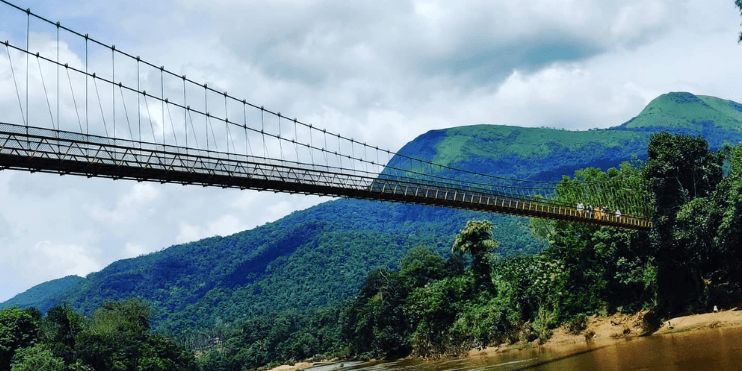
The Kalasa Hanging Bridge is a serene spot located approximately 10 kilometers from the base of Netravati Peak. This scenic bridge offers spectacular views of the river and surrounding landscapes, making it an ideal place to relax and enjoy the tranquility after a strenuous trek.

  • Distance from Netravati Peak: 10 kilometers

Note: The bridge is a popular spot for photography, specifically during the early morning and late afternoon when the light is perfect.

Kodige Falls
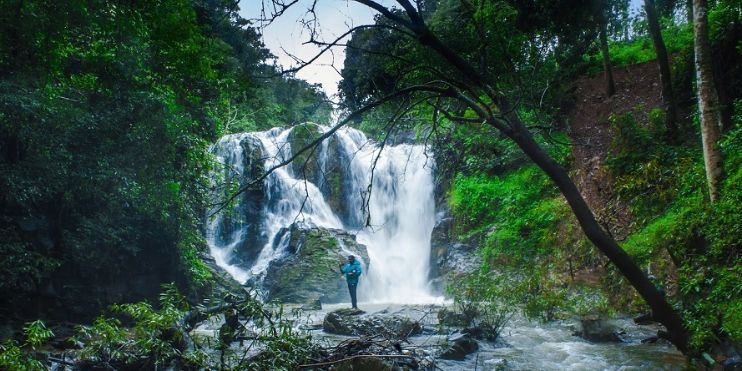
A man standing in front of Kodige Falls, a picturesque waterfall in the jungle, 15 km from Netravati Peak.

Kodige Falls is another beautiful destination, around 15 kilometers from Netravati Peak. The waterfall cascades down in a picturesque manner, creating a refreshing spot to take a dip and relax. It’s a great place to unwind and enjoy the region’s natural beauty.

  • Distance from Netravati Peak: 15 kilometers

“The cool, clear waters of Kodige Falls are a perfect way to rejuvenate after your trek.”

Sringeri
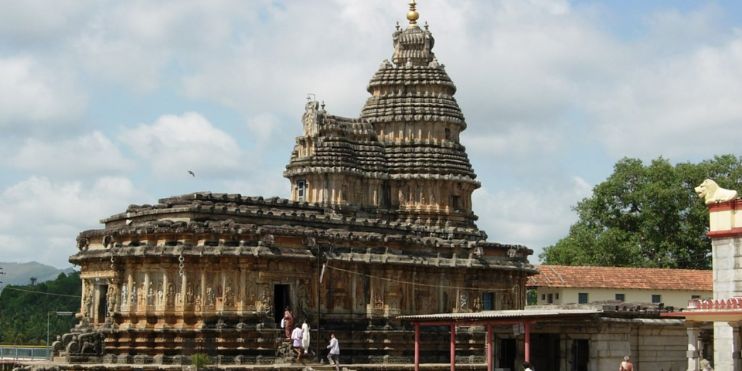
A large temple with a tower in front, part of Sringeri's cultural and spiritual heritage in Karnataka, known for its serene ambiance.

For those interested in exploring Karnataka’s cultural and spiritual heritage, Sringeri is a must-visit. Located approximately 70 kilometers from Netravati Peak, Sringeri is home to the ancient Sharada Peetham and several other temples. The town is known for its serene ambiance and rich history.

  • Distance from Netravati Peak: 70 kilometers

“Sringeri offers a peaceful retreat with its spiritual atmosphere and historical significance.”

Dharmasthala
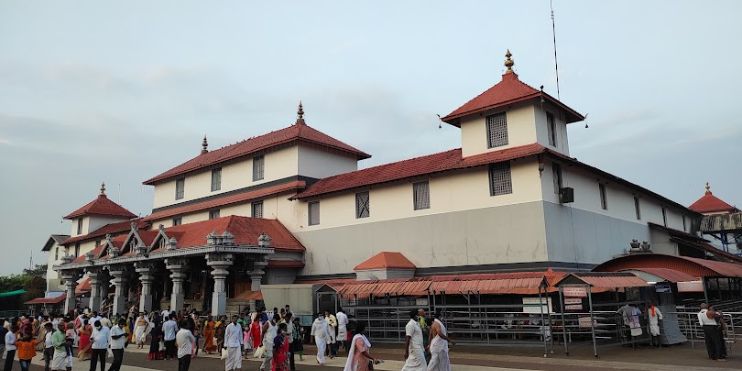
A bustling pilgrimage site in Dharmasthala, Karnataka, with a large white and red building and people walking around.

Dharmasthala is a renowned pilgrimage site about 80 kilometers from Netravati Peak. It is famous for its ancient Manjunatha Temple, which attracts devotees from all over the country. The town also offers a glimpse into the rich cultural traditions of Karnataka.

  • Distance from Netravati Peak: 80 kilometers

Note: The temple town of Dharmasthala is known for its charitable activities and cultural festivals, making it a unique destination to explore.

Chennakesava Temple, Belur
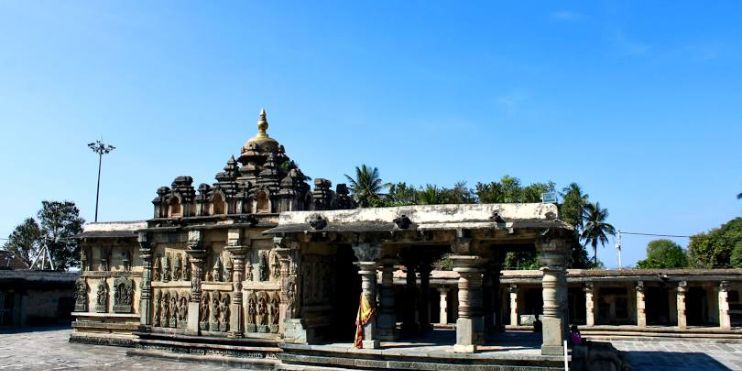
The Chennakesava Temple in Belur, surrounded by trees, is a large stone building with intricate carvings.

The Chennakesava Temple in Belur is an architectural marvel approximately 90 kilometers from Netravati Peak. Built during the Hoysala dynasty, it is famous for its complex carvings and sculptures, which showcase the artistry of the time.

  • Distance from Netravati Peak: 90 kilometers

“The detailed carvings of Chennakesava Temple are a testament to the craftsmanship of the Hoysala period.”

Horanadu Annapoorneshwari Temple
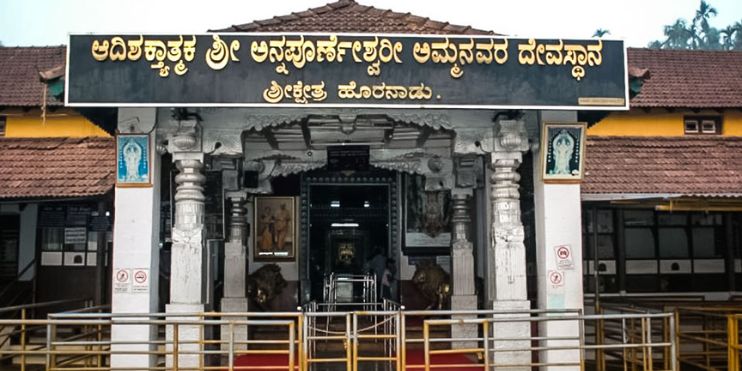
The entrance to Horanadu Annapoorneshwari Temple, surrounded by lush greenery, offers a serene spiritual retreat in India.

Situated around 60 kilometers from Netravati Peak, the Horanadu Annapoorneshwari Temple is a revered spiritual destination. Surrounded by dense greenery, the temple provides a peaceful environment for visitors to seek blessings and enjoy the region’s natural beauty.

  • Distance from Netravati Peak: 60 kilometers

“The peaceful ambiance of Horanadu Annapoorneshwari Temple provides a perfect spiritual retreat after a challenging trek.”

These nearby attractions enhance your trekking adventure by offering diverse experiences, from scenic beauty and relaxation to cultural and spiritual enrichment. Each place has its fantastic charm and is worth exploring after the trek to Netravati Peak.

Rest and Rejuvenate at Ranga Taana After Your Netravati Peak Trek
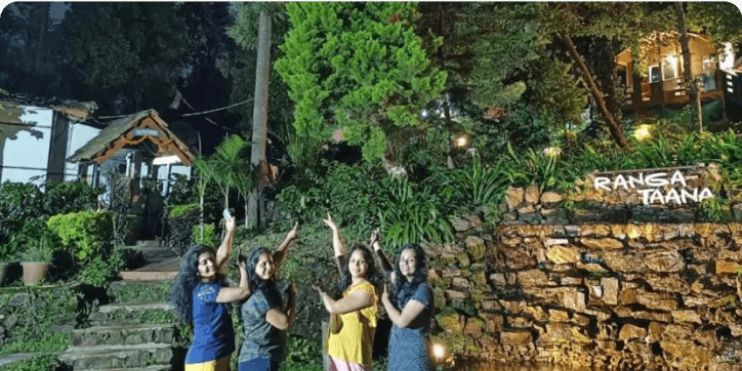
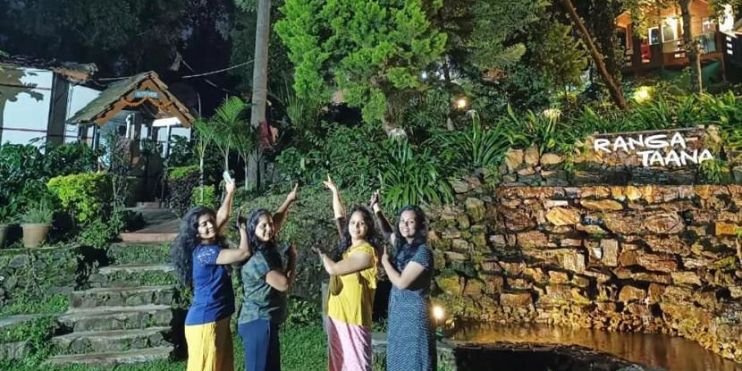
Three people standing in front of a stone wall at Ranga Taana resort after an exhilarating trek to Netravati Peak.

After an exhilarating trek to Netravati Peak, there’s no better place to unwind than Ranga Taana. Nestled amidst lush greenery, our resort offers the perfect retreat for tired trekkers. Relax in our comfortable accommodations, savor delicious local cuisine, and enjoy the serene surroundings that provide a much-needed break from the physical needs of your adventure.

To explore more local attractions near our resort, check out “Exploring Chikmagalur: A Guide to Local Attractions Near Ranga Taana“.

At Ranga Taana, you can indulge in a variety of activities to soothe your mind and body. Walk through our beautifully landscaped gardens, enjoy a refreshing swim in our pool, or simply lounge in one of our cozy nooks with a good book. Our resort is designed to offer tranquility and rejuvenation, ensuring that you leave feeling refreshed and recharged.

We understand the needs of trekkers and offer amenities tailored to your comfort. Our spa services are perfect for soothing sore muscles, while our friendly staff is always ready to assist you with anything you need. After a long day of trekking, let us pamper you with our exceptional hospitality and warm ambiance.

For more nearby destinations to explore during your stay, visit our “Top 10 Nearby Destinations” Blog.

Conclusion

The trek to Netravati Peak is an adventure combining physical challenge and natural beauty. From dense forests and rolling grasslands to breathtaking summit views, every moment of the trek is filled with wonder and excitement. Whether you are a seasoned trekker or a beginner, Netravati Peak promises an experience that will stay with you long after the trek​.

Netravati Peak is a journey into Karnataka’s untamed wilderness. The trek presents a perfect blend of adventure, peace, and natural beauty, making it a must-visit for every trekker. Plan your post-trek stay at Ranga Taana today and experience the ultimate relaxation. Contact us now to book your stay and make your adventure even more memorable!
Enquire/Know more about Ranga Taana Resort

Best nature stay among resorts in Chikmangalur

Featured Image

Hebbe Waterfalls, Chikmagalur – A Hidden Gem for Nature Lovers & Adventure Seekers

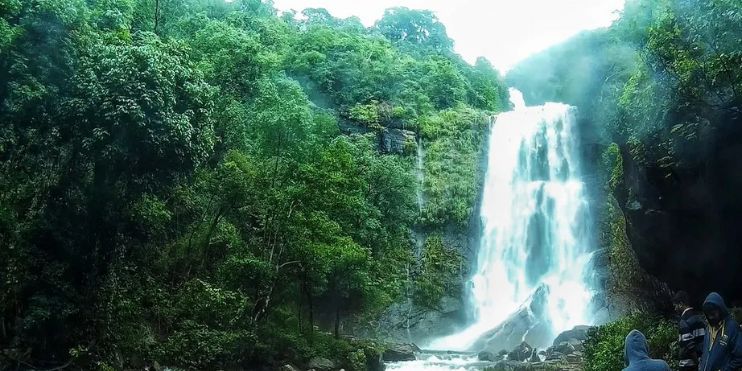
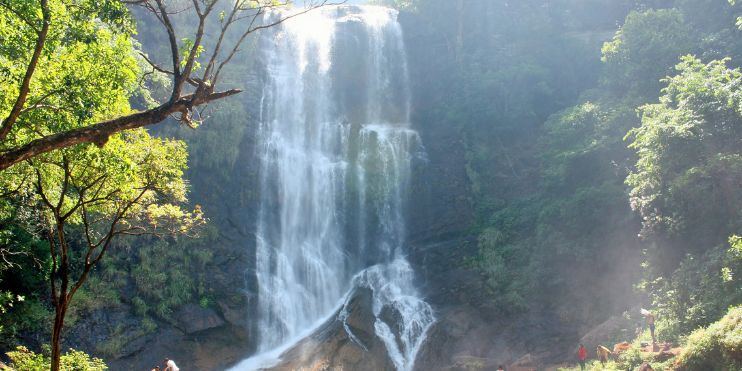
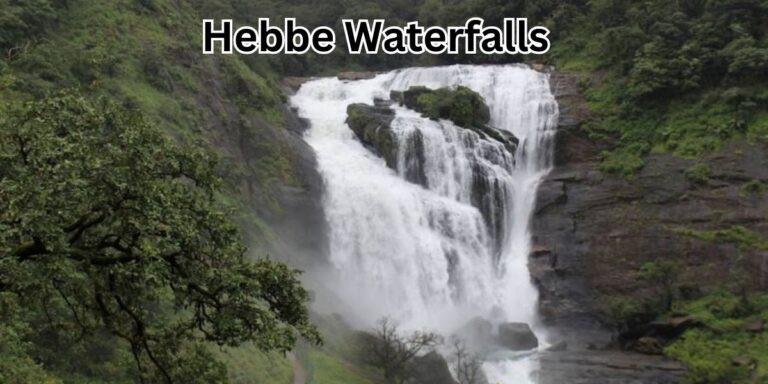
Nestled in Chikmagalur, Hebbe Waterfalls is a testament to nature’s raw beauty. Known for its lush landscape and peaceful environment, Chikmagalur offers many natural attractions, with Hebbe Waterfalls being a crown jewel. This waterfall, cascading from a height of 168 meters, captivates tourists and nature enthusiasts alike. Its charm is in the falling waters and the journey to this picturesque location.

The Natural Beauty of Hebbe Waterfalls

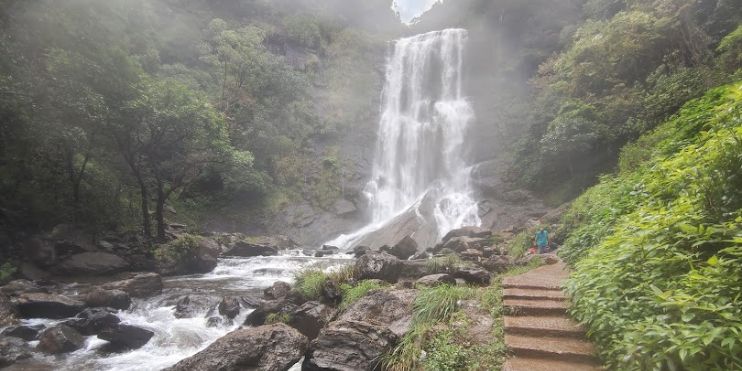
A man walking next to a waterfall on a scenic path.

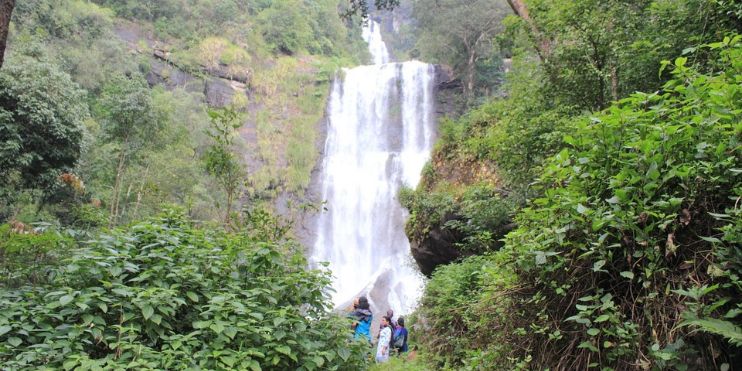
The two separate sections of Hebbe Waterfalls are Chikka Hebbe (Small Falls) and Dodda Hebbe (Big Falls). The water, rich with herbal properties, cascades down from the rocky heights into a pristine pool below, offering visitors a refreshing dip. The surrounding flora, consisting of dense forests and coffee plantations, adds to the allure, making it a paradise for nature lovers.

“The sight of Hebbe Waterfalls amidst the emerald hills of Chikmagalur is a mesmerizing experience, with the cascading waters creating a soothing symphony.”

Unique Features

  • Herbal-Infused Waters: The water at Hebbe Falls is believed to be infused with medicinal herbs, making it a natural jacuzzi.
  • Scenic Pool: The natural pool at the base of the falls offers a tranquil, relaxing spot.
  • Biodiversity: The area around Hebbe Falls is rich in biodiversity, with various species of plants and animals.

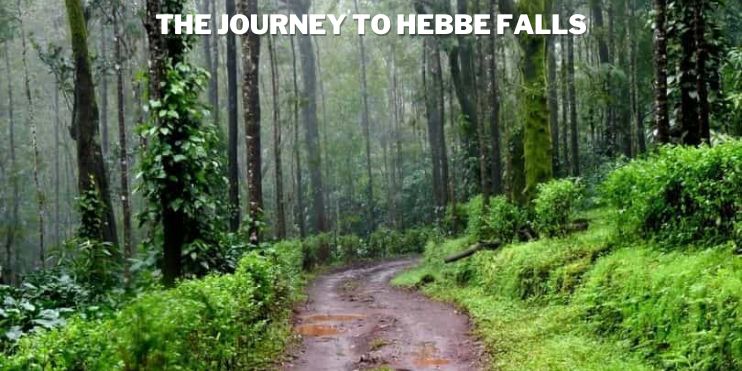
The Journey to Hebbe Falls

A serene waterfall surrounded by lush greenery, the journey to Herbe Falls is a peaceful escape into nature's beauty.

Reaching Hebbe Waterfalls is an adventure in itself. Located approximately 70 kilometers from Chikmagalur town, the journey involves a thrilling jeep ride and a trek through dense forests. This combination of rugged terrains and scenic vistas makes the trip exhilarating.

Location and Accessibility

  • Starting Point: The village nearest to where the journey begins is Kemmangundi.
  • Jeep Ride: The initial part of the journey involves a bumpy jeep ride through the forest.
  • Trek: Following the jeep ride, a trek through lush greenery leads you to the falls.

“The jeep ride and trek to Hebbe Waterfalls are filled with scenic beauty, making the journey as memorable as the destination itself.”

How to Reach Hebbe Waterfalls

How to Reach Hebbe Waterfalls

By Road

  • Routes and Landmarks: The journey from Chikmagalur town to Kemmangundi involves scenic routes through coffee plantations and dense forests. Landmarks include the picturesque Kemmangundi Hill Station.
  • Travel Tips: Ensure your vehicle is in good condition, as the roads can be rough.

By Rail

  • Railway Stations: The closest railway stations are in Birur and Kadur, both well-connected to major cities.
  • Connectivity: Taxis or buses can be hired from the railway station to reach Kemmangundi.

By Air

  • Nearest Airports: Mangalore International Airport and Kempegowda International Airport in Bangalore are the closest airports.
  • Travel Options: From the airports, you can hire a cab or take a bus to Chikmagalur and then proceed to Kemmangundi.

“The diverse travel options to reach Hebbe Waterfalls ensure that visitors from all over can experience its beauty.”

Best Time to Visit Hebbe Waterfalls

A serene waterfall cascades through lush greenery, with people admiring its beauty from a distance.

The best time to visit Hebbe Waterfalls is during the post-monsoon season, from September to February. The waterfall flows entirely flows entirely during this period, and the greenery is lush and vibrant.

Seasonal Highlights

  • Monsoon Magic: The waterfall is most voluminous during the monsoon, creating a spectacular sight.
  • Winter Tranquility: Winter offers a serene atmosphere, clear skies, and pleasant weather.

“Visiting Hebbe Falls during the post-monsoon months provides a perfect blend of enhanced waterfall flow and lush green surroundings.”

Things to Do at Hebbe Falls

Trekking and Hiking

A group of hikers ascending a hillside trail, heading towards a majestic waterfall in the distance.

The trek to Hebbe Waterfalls is an adventure that nature enthusiasts should take advantage of. The track is covered by dense forests and scenic spots, offering breathtaking views at every turn.

  • Trek Route: The trek starts from Kemmangundi and covers a distance of approximately 8 kilometers.
  • Scenic Viewpoints: Along the trek, there are several spots where you can stop and take in the panoramic views.

Swimming and Relaxing

A lush green forest with a waterfall in the middle.

The natural pool at the base of the falls is perfect for a refreshing swim. The herbal-infused waters add a unique touch and offer relaxation and therapeutic benefits.

  • Swimming Spots: Safe areas for swimming are marked, ensuring a pleasant experience.
  • Relaxation: The serene surroundings make it an ideal spot to unwind and enjoy the tranquility of nature.

Photography and Sightseeing

Hebbe Waterfalls provides numerous opportunities for photography enthusiasts. The play of light on the cascading waters and the lush greenery create perfect photo opportunities.

  • Best Angles: Early morning and late afternoon offer the best lighting for photography.
  • Nearby Attractions: Explore the nearby picnic spots and viewpoints for more scenic shots.

“Hebbe Falls offers an idyllic setting for photographers, with its cascading waters and dense green surroundings providing numerous opportunities for stunning captures.”

Nearby Attractions

Kemmangundi Hill Station

Scenic road leading to Kodaikanal, surrounded by lush greenery and misty mountains in the background.

Kemmangundi is a popular hill station near Hebbe Falls, known for its beautiful gardens, trekking trails, and panoramic views. It is an ideal spot for a day trip, offering a blend of natural beauty and recreational activities.

  • Gardens and Trails: Explore the manicured gardens and embark on trekking trails to Z Point and other scenic spots.
  • Proximity: Located just 10 kilometers from Hebbe Waterfalls, it is a convenient addition to your itinerary.

Bhadra Wildlife Sanctuary

Entrance to Kerala elephant sanctuary, with lush greenery and a welcoming archway.

Located near Chikmagalur, the Bhadra Wildlife Sanctuary is a haven for wildlife enthusiasts. It is home to various species of flora and fauna and offers safari tours that allow visitors to experience the wildlife up close.

  • Wildlife Safari: Participate in guided safaris to spot tigers, elephants, and other wildlife.
  • Bird Watching: The sanctuary is a heaven for bird watchers, with numerous species of birds inhabiting the area.

Mullayanagiri Peak

Scenic mountain landscape with a winding road on top, showcasing the beauty of nature and travel.

Mullayanagiri, the highest peak in Karnataka, offers breathtaking views and is a popular trekking destination. The trail to the peak is challenging but rewarding, with panoramic views of the Western Ghats.

  • Trekking: The trek to Mullayanagiri is a favorite among adventure seekers.
  • Scenic Views: The peak provides stunning views of the surrounding landscape, specifically during sunrise and sunset.

Bababudangiri Hills

Man standing on mountain peak overlooking lush green valley.

These hills, named after the saint Baba Budan, are famous for their picturesque landscapes and coffee plantations. The area is also known for its historical significance and natural beauty.

  • Manikyadhara Falls: A beautiful waterfall located in the Bababudangiri Hills.
  • Caves and Historical Sites: Explore the caves and other sites associated with Baba Budan.

Hirekolale Lake

A wooden bridge over a serene lake with a small pavilion in the background.

Hirekolale Lake is a serene spot near Chikmagalur. It is an excellent place for picnics and offers spectacular views of the surrounding hills, especially at sunset.

  • Boating: Enjoy a serene boat ride on the lake.
  • Photography: The lake is a popular spot for photography, with its calm waters reflecting the surrounding hills.

“The nearby attractions in Chikmagalur, including Kemmangundi, Bhadra Wildlife Sanctuary, Mullayanagiri Peak, Bababudangiri Hills, and Hirekolale Lake, add to the overall experience, making it a perfect destination for nature lovers.”

Tips for Visitors

Preparation and Packing

A woman sitting on a bed with an open suitcase, packing for a trip.

  • Essential Items: Carry sufficient water, snacks, and appropriate trekking footwear. A first-aid kit is also recommended.
  • Weather-Appropriate Clothing: Dress in layers to adjust to changing weather conditions. A raincoat is advisable during the monsoon.

Safety Tips

  • Designated Trails: Stick to the marked tracks to avoid getting lost or encountering dangerous wildlife.
  • Swimming Precautions: Only swim in selected areas and be mindful of the water currents.

Environmental Responsibility

  • Maintain Cleanliness: Ensure you do not litter and discard all your waste.
  • Eco-Friendly Practices: Respect the natural habitat and avoid disturbing wildlife.

“Being prepared and responsible ensures a safe and enjoyable visit to Hebbe Waterfalls while preserving its natural beauty for future generations.”

Ranga Taana: An Oasis of Relaxation Near Hebbe Waterfalls

A cozy cottage nestled in the picturesque village of Ranga Taana, surrounded by lush greenery and blooming flowers.

At Ranga Taana, we believe in providing our guests with a fantastic experience amidst the natural beauty of Chikmagalur. Located just a short drive from the magnificent Hebbe Waterfalls, our resort offers the perfect blend of luxury and nature. Imagine waking up to the sound of cascading water and the sight of lush greenery from your window – that’s the Ranga Taana promise.

Our resort is designed to cater to every need, whether seeking adventure or tranquility. Explore the nearby trails that lead to Hebbe Waterfalls, or relax in our well-appointed rooms, which offer panoramic views of the surrounding landscape. Our amenities include a spa, where you can rejuvenate after trekking, and a restaurant serving delicious local cuisine made from fresh, organic ingredients.

“Staying at Ranga Taana was the highlight of our trip to Chikmagalur. The proximity to Hebbe Waterfalls made it easy to explore the area’s natural beauty, and the resort’s facilities were top-notch.” – Guest Review.

For those looking to combine their visit to Hebbe Waterfalls with a luxurious stay, Ranga Taana is the ideal choice. Whether planning a romantic getaway, a family vacation, or a solo retreat, our resort offers something for everyone.

Conclusion

Hebbe Waterfalls is a breathtaking natural wonder showcasing Chikmagalur’s unparalleled beauty. Adventurers and nature enthusiasts should not miss the trip to the falls, the fun things to do there, and the tranquil surroundings. Visiting Hebbe Waterfalls offers a refreshing retreat and highlights the importance of preserving such natural treasures for the enjoyment of future generations. Take advantage of the chance to experience the best of Chikmagalur. Contact us today to book your stay and let Ranga Taana be your home away from home.

“Hebbe Waterfalls is not just a sight to behold but an experience that rejuvenates the mind and soul. It stands as a reminder of the beauty and tranquility that nature offers.”

Enquire/Know more about Ranga Taana Resort

Best nature stay among resorts in Chikmangalur

Kudremukh Uncovered - Feature Image

Kudremukh Travel Guide for First-Time Visitors: Trek, Permits & Tips

Planning your first trip to Kudremukh? This Kudremukh travel guide covers the best places to visit, trekking routes, forest permits, travel options, and important tips for exploring this beautiful part of Karnataka’s Western Ghats.

Known for its rolling green hills, dense shola forests, waterfalls, and the famous horse-shaped Kudremukh Peak, the region attracts trekkers, photographers, and nature lovers. However, visitors should understand the forest department’s entry rules, trekking conditions, and seasonal restrictions before planning their trip.

If you’re exploring the wider Chikmagalur region, you can also extend your holiday with a peaceful coffee estate stay at Ranga Taana Resort near Kemmangundi. This guide will help you plan your Kudremukh adventure while understanding the different destinations and experiences available in the region.

Kudremukh National Park at a Glance: Covering approximately 600.57 square kilometers, Kudremukh National Park protects an important section of Karnataka’s Western Ghats. Its evergreen forests, grasslands, streams, and mountain habitats support a wide variety of plants and wildlife. Visitors must follow forest department regulations because access to protected areas and trekking trails is controlled.

The park’s stated area is supported by official Government of India environmental documentation.

Best Places to Visit in Kudremukh and Nearby 

Kudremukh has several scenic attractions worth exploring, from the famous Kudremukh Peak to waterfalls, forest landscapes, and places of cultural importance. Some attractions are located inside protected areas, while others require separate road journeys. Before visiting, check entry permissions, accessibility, and local weather conditions to plan a comfortable trip.

Kudremukh National Park: Forests, Grasslands, and Wildlife

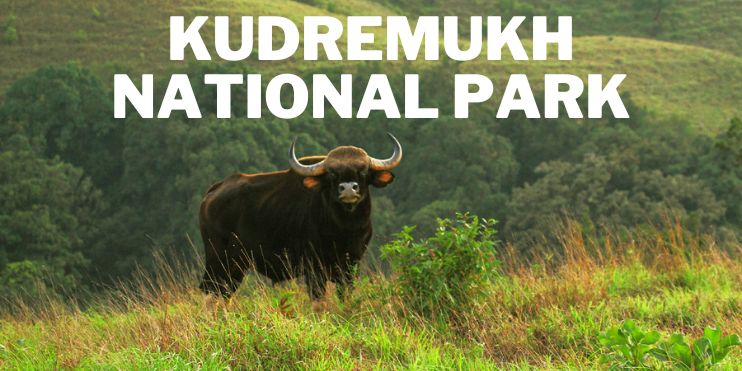
Kudremukh National Park

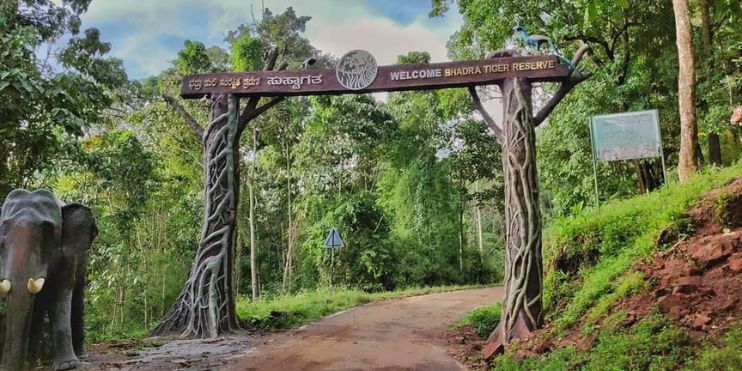
Kudremukh National Park is known for its evergreen forests, rolling grasslands, freshwater streams, and rich biodiversity. The protected landscape provides habitat for wildlife such as gaur, deer, several bird species, and large mammals that are rarely seen by visitors.

The park is an important destination for nature enthusiasts and trekkers exploring the Western Ghats. However, visitors cannot freely enter every forest trail or wildlife habitat. Trekking and other activities must follow approved routes, permit requirements, and forest department guidelines.

Kudremukh Peak: The Region’s Famous Trekking Destination

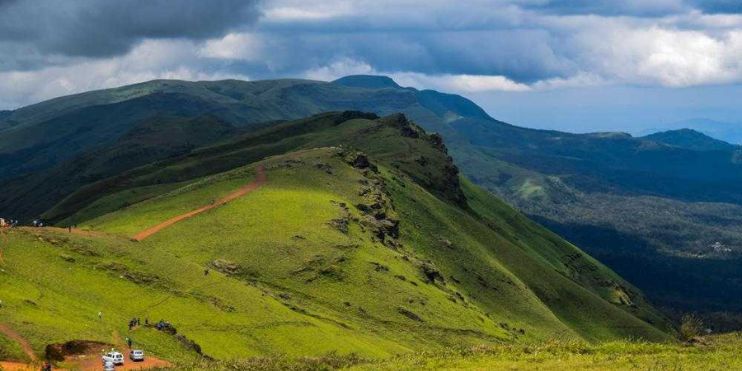
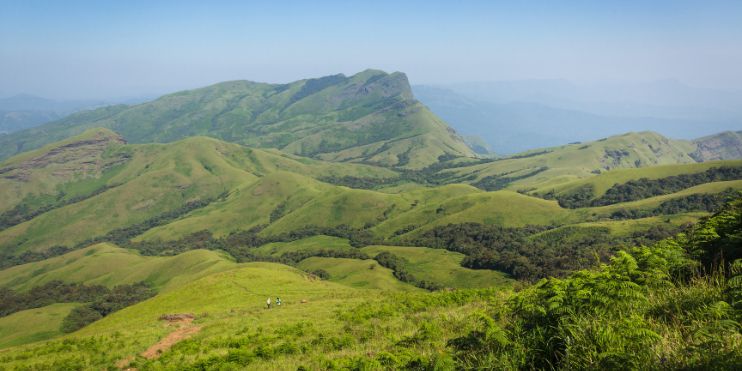
Kudremukh Peak is one of the best-known trekking destinations in Karnataka. Its name means “horse face” in Kannada, referring to the mountain’s distinctive shape when viewed from certain angles.

The Kudremukh trek covers approximately 20 kilometers round trip, beginning near Mullodi village. Trekkers pass through forest trails, streams, and open grasslands before reaching higher viewpoints across the Western Ghats.

The route is generally considered moderately difficult, but its length makes it physically demanding for some beginners. Plan for a full day, check the current forest department restrictions, and arrange your trekking permit before travelling.

Hanuman Gundi Falls: A Scenic Waterfall Near Kudremukh

Hanuman Gundi Falls

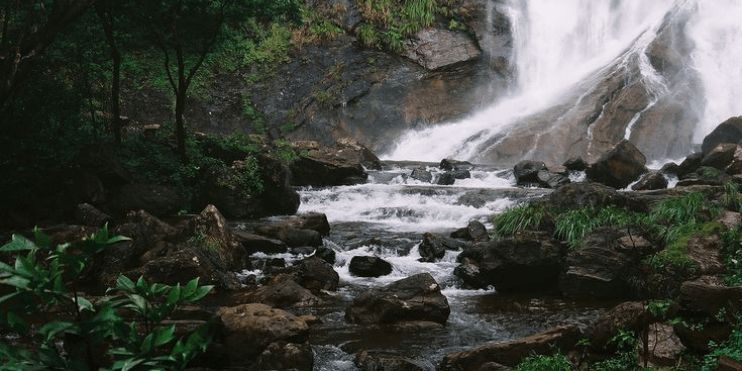
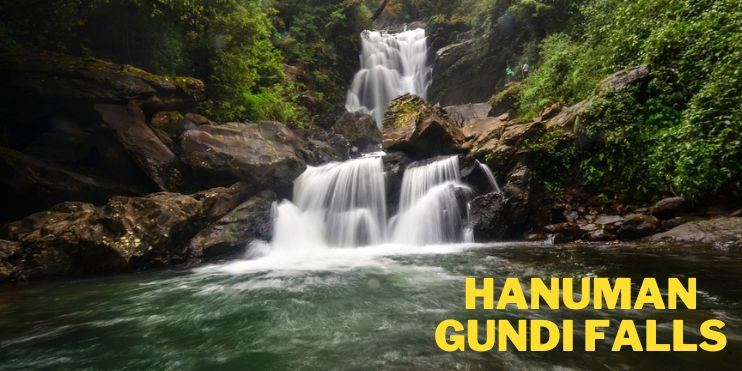
Hanuman Gundi Falls, also known as Suthanabbe Falls, is a popular natural attraction in the Kudremukh region. Surrounded by dense greenery, the waterfall flows over rocky slopes and offers beautiful views, especially after the monsoon season.

Visitors may need to descend several steps to reach the designated viewing area. Access conditions can change during periods of heavy rainfall, and entering the water may be restricted. Check the latest forest department instructions before visiting, and enjoy the scenery from permitted areas.

Lakya Dam: An Engineering Marvel amid Nature

Lakya Dam

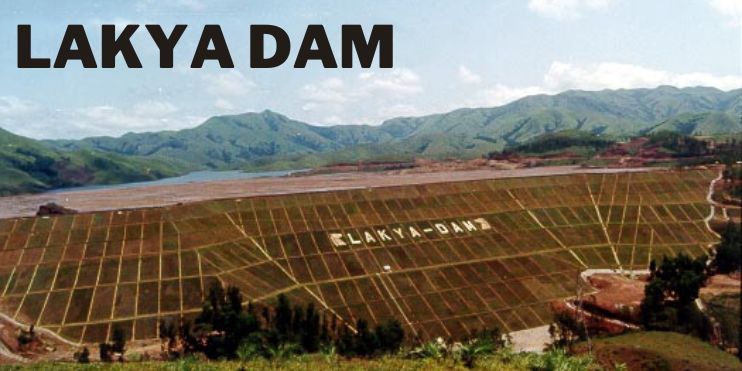
Lakya Dam is a large structure associated with Kudremukh’s former iron ore mining operations. The dam was constructed to contain tailings generated during mineral processing and is surrounded by the region’s forested hills.

Although the surrounding landscape offers scenic views, access to the dam area is regulated. Visitors should confirm whether permission is available before adding Lakya Dam to their itinerary. It should not be treated as an unrestricted picnic or recreational destination.

Gangamoola Hill: The Origin of Three Rivers

Gangamoola Hill, also known as Varaha Parvatha, is an important natural landmark in the Kudremukh region. The hill is associated with the origins of three major rivers: the Tunga, Bhadra, and Netravati.

Surrounded by dense Western Ghats forests, Gangamoola holds ecological and cultural significance. Since the area falls within a protected landscape, visitors should confirm the current access rules and obtain any required forest department permissions before planning a visit.

How to Reach Kudremukh From Bengaluru, Mangaluru, and Chikmagalur

Kudremukh is located in Karnataka’s Western Ghats and can be reached by road from several cities. Travellers planning the Kudremukh Peak trek typically use Kalasa as an access point before continuing toward Mullodi village.

By Road

Visitors travelling from Bengaluru can reach the Chikmagalur region through major road connections and continue toward Kalasa or Kudremukh according to their itinerary. Mangaluru also offers road access to the region.

Driving conditions can vary considerably during the monsoon, particularly along narrow mountain roads and ghat sections. Check the route and current road conditions before departure.

By Train

Travellers can consider railway connections to Mangaluru, Kadur, or other suitable stations based on their starting city. From the chosen railway station, arrange onward road transportation to Kalasa or the destination where you plan to stay.

By Air

Mangaluru International Airport is a practical option for many travellers visiting the Kudremukh region. From the airport, arrange road transportation to Kalasa or your chosen accommodation.

Reaching the Kudremukh Trek Starting Point

The Kudremukh Peak trekking route begins at Mullodi village. Visitors commonly travel toward Kalasa before arranging local jeep transportation to the starting area.

Confirm your permit, reporting location, transport arrangements, and available trekking slot before beginning the journey.

Kudremukh Trek: Route, Difficulty, and Essential Tips

Trekker's Paradise

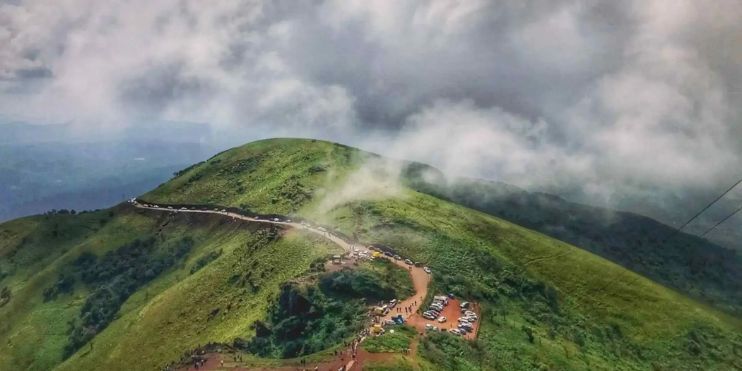
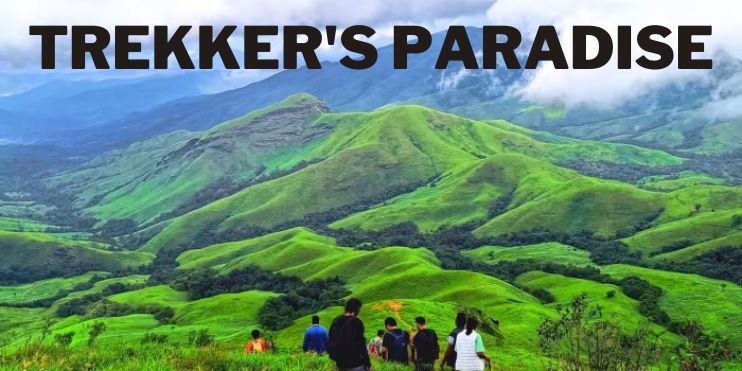
The Kudremukh trek takes visitors through a scenic combination of shola forests, mountain streams, open grasslands, and rolling hills. The most popular route begins at Mullodi village, which trekkers typically reach by local jeep from the Kalasa area.

The approximately 20-kilometer round-trip route is generally classified as moderate. However, the long walking distance, changing weather, and steep or slippery sections can make it challenging for first-time trekkers.

Most visitors should allow a full day for the trek. October to February is generally a favorable period for trekking, although forest restrictions, seasonal closures, and weather conditions can affect access throughout the year.

Wear trekking shoes with a good grip and carry sufficient drinking water, food, rain protection, essential medication, and a small first-aid kit. During wet conditions, leeches and slippery trails may require extra preparation. Follow the authorized trail and the instructions of forest staff or assigned guides.

Trek Detail Information
Location Kudremukh National Park, Karnataka
Starting point Mullodi village
Trek distance Approximately 20 km round trip
Difficulty Moderate, with a demanding walking distance
Time required Full-day trek
Preferred season Generally October to February
Access Authorized route with forest department permission
Permit booking Karnataka Forest Department’s Aranya Vihaara portal
Preparation Trekking shoes, water, food, rain protection, and essential medication

Additional Pointers:

  1. Check Weather Conditions: Always check the weather forecast before setting out, as conditions can change rapidly in mountainous regions.
  2. Prepare for the Walking Distance: Kudremukh is a long, full-day trek that requires reasonable physical fitness. Beginners should build stamina through regular walking or shorter hikes before attempting the route. Take breaks when needed, stay hydrated, and avoid pushing beyond your fitness level.
  3. Respect Wildlife: Keep a safe distance from wildlife and avoid feeding animals to maintain the ecological balance.
  4. Leave No Trace: Be mindful of your environmental impact. Pack out all trash and stay on designated trails to minimize your footprint.
  5. Emergency Contacts: Have local emergency contacts on hand and carry a fully charged mobile phone with network coverage, if possible.

Local Food, Culture, and Nature Experiences Around Kudremukh

Richness of Kudremukh Beyond Local Attractions

Traditional Malnad Food to Try During Your Kudremukh Trip

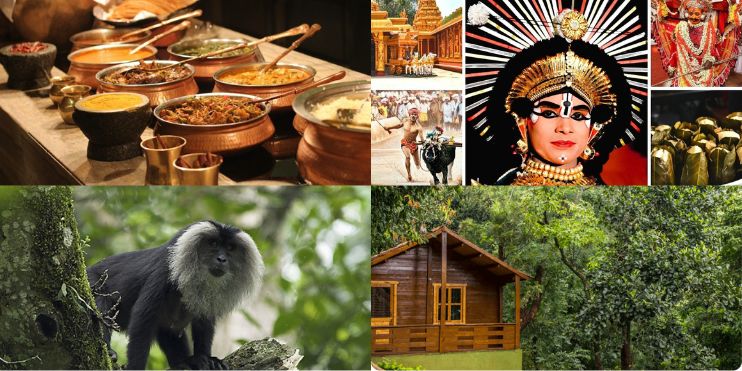
A trip to Kudremukh is a good opportunity to experience traditional Malnad cuisine. Local meals often feature regional ingredients, rice-based dishes, fresh coconut, and flavorful curries.

Popular foods to try include akki rotti, kadubu, traditional rice dishes, and seasonal local preparations. Travellers can explore small eateries around Kalasa and other nearby towns to experience the region’s food traditions.

If your holiday extends to Kemmangundi, you can also enjoy home-cooked Malnad meals during your stay at Ranga Taana Resort.

Cultural Insights and Historical Richness

The towns and villages surrounding Kudremukh offer opportunities to experience the cultural traditions of Karnataka’s Malnad region.

Kalasa is known for the Kalaseshwara Temple, while Horanadu attracts visitors to the Annapoorneshwari Temple. Both destinations offer an opportunity to explore local religious traditions, regional architecture, and everyday life in the Western Ghats.

Travellers interested in local culture can also explore traditional food, seasonal celebrations, and village markets while respecting local customs and temple guidelines.

Wildlife Spotting Opportunities

Kudremukh National Park supports a wide variety of wildlife, including gaur, deer, birds, and several species associated with the Western Ghats. Tigers and leopards also inhabit the protected landscape, although sightings are rare and should never be expected during a regular visit.

Birdwatching and nature photography are rewarding activities from approved trails and viewing areas. Visitors should avoid disturbing animals, making excessive noise, or leaving designated routes in search of wildlife.

Photography Tips and Scenic Spots

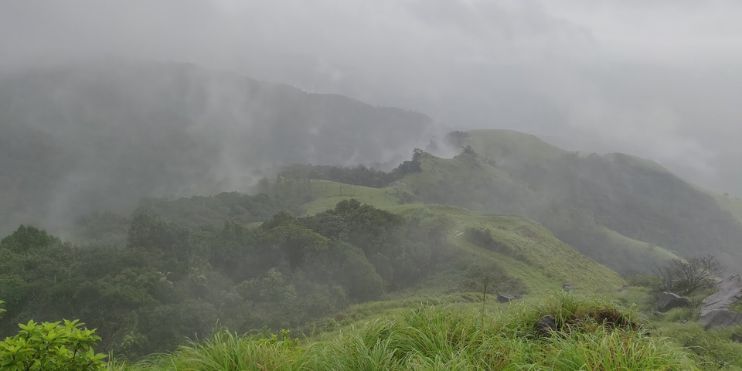
Kudremukh offers excellent opportunities for landscape photography, particularly across its green hills, shola grasslands, mist-covered valleys, and waterfalls.

The Kudremukh Peak trek provides sweeping mountain views, while Hanuman Gundi Falls offers opportunities to photograph flowing water and forest scenery from permitted areas.

Post-monsoon conditions often bring green landscapes and dramatic cloud formations. Carry weather protection for your camera, avoid stepping off approved trails for photographs, and follow the visiting hours set by the forest department.

Outdoor Adventures and Nature Activities Near Kudremukh

Activities in Ranga Taana

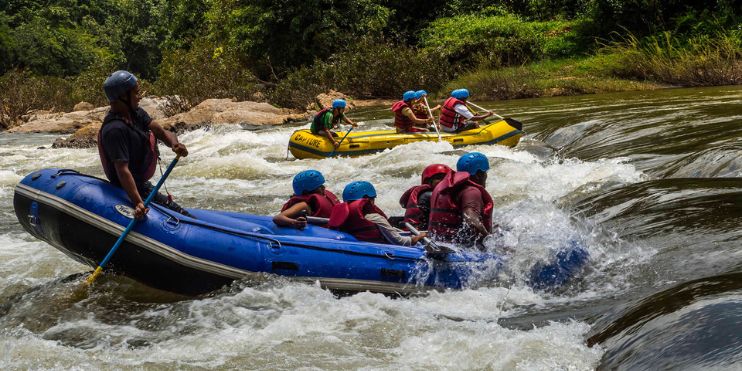
Trekking is one of the main outdoor experiences in Kudremukh, but visitors can also enjoy scenic drives, nature photography, birdwatching, and visits to accessible waterfalls and nearby towns.

The surrounding Western Ghats region offers opportunities to appreciate forests, hills, and coffee-growing landscapes. However, activities inside Kudremukh National Park must follow forest department restrictions, and some areas may be temporarily closed for safety or conservation reasons.

Visitors looking for additional outdoor activities can explore approved nature walks and sightseeing experiences in the wider Chikmagalur region.

Diverse Accommodation Options

Accommodation options around Kudremukh include homestays, guesthouses, and small properties in nearby towns and villages.

Travellers planning an early morning Kudremukh trek may prefer accommodation around Kalasa or the Mullodi access area to reduce travel before reaching the trailhead.

If your itinerary includes Kemmangundi and other Chikmagalur attractions, Ranga Taana Resort offers a separate coffee estate experience with wooden cottages and nature-based activities. Check the driving distance between your accommodation and each attraction before finalizing your travel plans.

A Practical 2-Day Kudremukh Itinerary for First-Time Visitors

A two-day Kudremukh trip works best when the trekking day is planned separately from sightseeing and travel. Visitors should also account for accommodation location, permit availability, and the time needed to reach Mullodi.

Day 1: Arrive Near Kudremukh and Explore the Surroundings

Travel toward Kalasa and check into accommodation suitable for your planned activities. Depending on your arrival time, you may explore Kalasa town, visit the Kalaseshwara Temple, enjoy local food, or spend time appreciating the surrounding scenery.

Before the evening, confirm your Kudremukh trekking permit, local jeep arrangements, weather conditions, and reporting instructions.

Plan an early night, as the trek requires a full day of walking.

Day 2: Complete the Kudremukh Peak Trek

Begin the day according to your assigned forest department reporting time. Arrange transportation to Mullodi and follow the approved trekking route with the required guidance.

The trek passes through forests, streams, and grasslands before reaching higher mountain viewpoints. Carry the necessary supplies and allow enough time to return before the permitted exit deadline.

After completing the trek, return to your accommodation or continue your onward journey if travel conditions allow.

Travel tip: This itinerary is designed for visitors staying near the Kudremukh trekking area. Travellers also planning to visit Kemmangundi or stay at Ranga Taana Resort should allow additional time for that separate part of the trip.

Planning Your Visit to Kudremukh

Visit to Kudremukh

A visit to Kudremukh National Park offers a gateway to one of the most untouched and serene landscapes in Karnataka. To ensure your trip is both memorable and respectful to the natural environment, here’s a detailed guide for optimal planning:

1. Best Time to Visit Kudremukh

October to February is generally one of the best periods to visit Kudremukh, particularly for travellers interested in trekking and landscape photography. After the monsoon, the hills are green, the streams are replenished, and the weather is often comfortable for outdoor activities.

March to May can bring warmer conditions, while the monsoon months experience heavy rainfall, mist, slippery trails, and reduced visibility.

Trekking availability is not determined by the season alone. The forest department may restrict or reopen routes based on weather, wildlife movement, fire risk, and conservation requirements. Always check the current permit availability and forest notices before travelling.

The conditional wording is important because Karnataka introduced updated trekking safety procedures in August 2026, with route-by-route access controls.

2. Understanding Local Customs:

Cultural sensitivity is key when visiting Kudremukh. Dress modestly as a sign of respect towards the local communities. Be proactive about waste management by disposing of garbage correctly and using eco-friendly materials whenever possible. Keep noise levels to a minimum to preserve the peace of natural settings and respect the wildlife inhabiting the area.

3. Organizing Your Kudremukh Sightseeing and Trekking Plans

Plan your Kudremukh trip according to the activities you want to experience. If the Kudremukh Peak trek is your main priority, reserve a full day for the trail and stay near the designated starting area whenever possible.

Travelers interested in sightseeing can plan separate visits to accessible waterfalls, Kalasa, Horanadu, and other nearby destinations. Do not assume that all attractions can be covered on the same day, as driving distances and forest entry restrictions vary.

If you are also staying near Kemmangundi, consider adding separate days to explore that part of Chikmagalur rather than combining both regions into a rushed itinerary.

Breathtaking panoramic view

4. Kudremukh Trek Permits and Forest Entry Rules

Visitors planning the Kudremukh Peak trek must obtain permission from the Karnataka Forest Department. Trekking reservations are managed through the official Aranya Vihaara booking portal.

The portal allows travellers to check approved trekking routes, available dates, and booking conditions. Bookings are subject to daily visitor limits, and access may change because of weather conditions or forest department restrictions.

As of the July 2026 booking update, reservations can be made between one and 30 days in advance. Trekkers must carry the original identification document used during booking and report according to their assigned slot instructions.

Before visiting, confirm the latest permit availability, entry requirements, and trekking rules directly through the official portal. Do not attempt to enter the protected area through unauthorized routes.

5. Leave No Trace:

Embrace the principles of ‘Leave No Trace’ to minimize your environmental footprint. This includes staying on designated trails, avoiding disturbance to plants and wildlife, and carrying out all trash. Such practices are essential for preserving the delicate ecological balance of the park and ensuring that it remains a pristine environment for future visitors.

6. Local Guides:

Local trekking guides can help visitors understand Kudremukh’s natural environment and follow approved forest routes. They may also provide guidance on trail conditions, safety requirements, and the region’s ecology.

When planning a regulated trek, follow the forest department’s current requirements for authorized guides or accompanying personnel. Never leave designated paths to explore unapproved locations, even when travelling with a local guide.

Keep the existing sections on Understanding Local Customs, Leave No Trace, Safety and Preparedness, and Connectivity and Emergencies. Their core advice is useful, so only minor proofreading is needed.

7. Safety and Preparedness:

Always check the weather forecast before setting out each day as mountainous regions can have rapid weather changes. Equip yourself with the right gear, including sturdy hiking boots, rain protection, and a well-stocked first aid kit. If you’re venturing into remote areas, inform someone of your plans and expected return time.

8. Connectivity and Emergencies:

While the serene disconnect of Kudremukh is a key allure, ensure you have means to communicate in case of an emergency. Some areas may have limited mobile network coverage, so plan accordingly, and always have local emergency numbers and a charged phone with you.

By following these detailed tips, you can ensure that your visit to Kudremukh is not only enjoyable but also contributes positively to the conservation efforts and local community.

Extend Your Chikmagalur Trip With a Stay at Ranga Taana Resort

Ranga Taana Resort

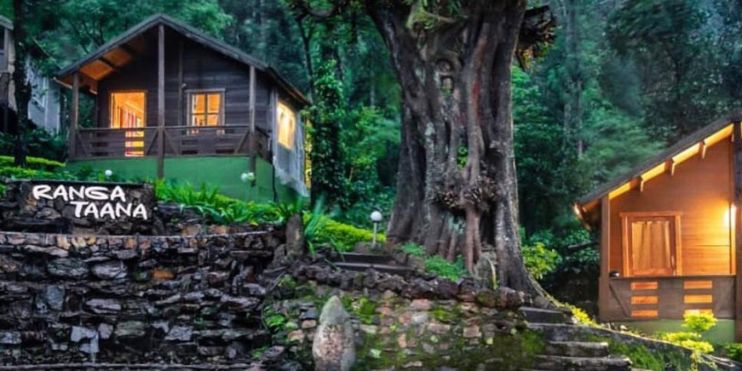
Located near Kemmangundi in the Chikmagalur region, Ranga Taana Resort offers a peaceful coffee estate stay surrounded by the natural beauty of the Western Ghats.

Our resort is an option for travellers who want to extend their Karnataka holiday beyond the Kudremukh region. Guests can enjoy wooden cottages, traditional Malnad cuisine, scenic estate surroundings, and outdoor activities near Kemmangundi.

Since Ranga Taana is located separately from the Kudremukh trekking area, we recommend checking travel distances and planning the two destinations as distinct parts of a longer Chikmagalur trip.

Nature Walks and Outdoor Experiences Near Kemmangundi

At Ranga Taana, we welcome guests who enjoy spending time outdoors and exploring the natural surroundings of Chikmagalur.

Our resort activities include nature walks, experiences around the coffee estate, and opportunities to explore nearby waterfalls and Kemmangundi’s scenic hills.

Guests can enjoy the peaceful surroundings of our property while planning suitable sightseeing activities based on the weather, accessibility, and local travel conditions.

Relax in Comfortable Wooden Cottages

After exploring the scenic attractions around Kemmangundi, return to the peaceful surroundings of our resort in Chikmagalur.

Our wooden cottages offer a comfortable place to rest, with a natural setting that complements the surrounding coffee estate. Guests can relax, enjoy the fresh mountain air, and spend time away from busy city routines.

Enjoy Traditional Food and a Peaceful Estate Stay

At Ranga Taana, we focus on creating a comfortable stay surrounded by Chikmagalur’s coffee-growing landscape.

Guests can experience our wooden cottages, enjoy home-cooked Malnad cuisine, and spend time exploring the greenery around our estate. Our setting is suitable for families, couples, and groups looking for a relaxed holiday near Kemmangundi.

For travellers planning sightseeing or nature activities, we recommend checking available experiences and local conditions before finalizing their stay.

Respecting the Natural Beauty of the Western Ghats

The Western Ghats are home to sensitive forest environments, wildlife habitats, and communities with long-standing cultural traditions.

At Ranga Taana, we encourage our guests to respect the natural surroundings during their visit. Following designated walking routes, avoiding litter, respecting local communities, and observing forest regulations are practical ways to travel responsibly.

These habits help protect the landscapes that make Chikmagalur and its surrounding hills special.

Why Choose Ranga Taana?

Why Choose Ranga Taana

At Ranga Taana, we offer a nature-focused stay near Kemmangundi, surrounded by coffee plantations and scenic hills. Guests can enjoy comfortable wooden cottages, regional meals, peaceful estate surroundings, and access to experiences in the wider Chikmagalur area.

If your travel plans include Kudremukh and Kemmangundi, we recommend allowing enough time to explore each destination separately.

Explore our resort in Kemmangundi and contact our team to check accommodation availability for your Chikmagalur holiday.

Conclusion

Kudremukh is a rewarding destination for travellers interested in trekking, waterfalls, wildlife, and the natural beauty of Karnataka’s Western Ghats. For a comfortable trip, choose the right season, confirm forest permits, prepare for the trekking conditions, and allow sufficient time to explore nearby attractions.

If you are planning a longer holiday across Chikmagalur, consider including Kemmangundi in your itinerary. At Ranga Taana Resort, we welcome guests looking for a peaceful stay with wooden cottages, home-cooked Malnad cuisine, and scenic estate surroundings.

Explore our accommodation options and contact Ranga Taana to plan the Kemmangundi part of your Chikmagalur holiday.

Frequently Asked Questions 

1. Is a Permit Required for the Kudremukh Trek?

Yes. Visitors planning the Kudremukh Peak trek must obtain the required permission from the Karnataka Forest Department. Bookings are managed through the official Aranya Vihaara portal, subject to available slots and current regulations.

2. How Difficult Is the Kudremukh Trek for Beginners?

The Kudremukh trek is generally classified as moderate, but its approximately 20-kilometer round-trip distance requires reasonable fitness and stamina. Beginners should prepare for a long walking day, changing weather, and potentially slippery sections.

3. What Is the Best Time to Visit Kudremukh?

October to February is generally a favorable time to visit Kudremukh, particularly for trekking and sightseeing. However, visitors should check weather forecasts and forest department notices because trekking availability can change throughout the year.

4. How Long Does the Kudremukh Trek Take?

The Kudremukh trek is typically completed as a full-day activity. The actual walking time depends on fitness, trail conditions, weather, group pace, and the time limits specified by forest authorities.

5. Can You Visit Kudremukh Without Trekking?

Yes. Visitors can explore accessible destinations around Kudremukh, including nearby towns, scenic landscapes, and permitted waterfall viewing areas. Entry to protected forest areas and specific attractions may require separate permissions.

6. Is Ranga Taana Resort Located Near the Kudremukh Trek Starting Point?

Ranga Taana Resort is located near Kemmangundi in the Chikmagalur region, rather than at the Kudremukh trailhead. Travellers can consider it for a separate Kemmangundi stay during a longer Chikmagalur holiday, while arranging accommodation closer to Mullodi or Kalasa for an early Kudremukh trek.

Enquire/Know more about Ranga Taana Resort

Best nature stay among resorts in Chikmangalur