Ranga Taana

Shri Sitalayyanagiri Gudi – Discover the Path to Heaven in Chikmagalur

Shri Sitalayyanagiri Gudi, nestled amidst the scenic Western Ghats, is a haven of peace and serenity that resonates deeply with spiritual seekers and nature enthusiasts alike. The shrine holds a divine presence, thus ensuring that visitors are away from the chaos of daily life to sink into an atmosphere of calm and serenity.

For many, the journey to the temple is a transformative experience. The trek through nature, combined with the spiritual aura of the temple, creates a profound sense of connection with the divine. Pilgrims and travelers alike have shared tales of feeling rejuvenated and enlightened after visiting this temple. Whether you’re looking for spiritual solace or a unique adventure, Shri Sitalayyanagiri Gudi offers both.

What Is the Story Behind Shri Sitalayyanagiri Gudi?

A vibrant temple adorned with colorful roof decorations, symbolizing faith and cultural heritage.

When Was the Temple Established?

Shri Sitalayyanagiri Gudi is believed to have been established centuries ago, though its exact origins remain a topic of fascination among historians and devotees. The temple is thought to have been built as a tribute to Lord Shiva, and over the years, it has become a beacon of faith for the surrounding communities. Its long-standing history is evident in the temple’s ancient architecture and the rituals that have been carried out faithfully for generations.

What Legends Are Associated with Shri Sitalayyanagiri Gudi?

Legend has it that the deity of the temple has the power to guide souls on their path to moksha, or liberation. Stories of miracles and blessings associated with the temple are widespread, with locals often recounting tales of divine intervention. One popular belief is that those who visit the temple with a pure heart and unwavering faith will find answers to their deepest prayers.

How Has the Temple Shaped Local Traditions?

Years over the years, Shri Sitalayyanagiri Gudi has been crucial for developing cultural and spiritual patterns within this region. Annual festivals and rituals attract thousands of devotees, reinforcing community bonds and keeping traditional practices alive. Beyond religious barriers, its significance remains as an essential bonding among people with a wide cultural background.

Tip: Connect with locals to discover the legends of the temple. Their stories will enhance your understanding of the site’s cultural significance.

How Does the Architecture Reflect the Divinity of Shri Sitalayyanagiri Gudi?

A statue of Lord Shiva atop a building, symbolizing divine presence and traditional Indian architectural beauty.

What Are the Unique Architectural Features?

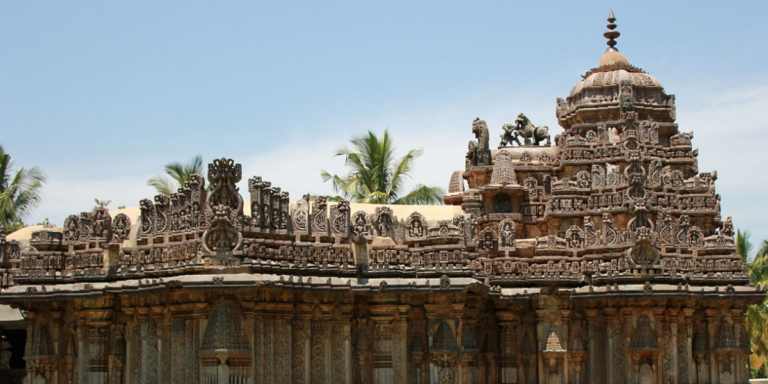
The temple is a masterpiece of traditional Indian temple architecture, where intricate carvings feature beautifully sculpted idols that exude spiritual energy at the sanctum. Each element of the structure is designed with purpose, symbolizing various aspects of Hindu cosmology. The stone pillars, adorned with carvings of mythological figures, stand as a testament to the craftsmanship of ancient artisans.

How Does the Temple Showcase Devotion Through Design?

From the layout of the temple to its smallest details, every aspect reflects devotion and reverence. The sanctum, where the main deity resides, is constructed to allow the morning sunlight to illuminate the idol, signifying the triumph of light over darkness. The temple’s design encourages introspection, inviting visitors to pause and reflect.

What Are the Must-See Highlights of the Temple?

Key highlights include the intricate stone carvings on the temple facade, the serene inner sanctum, and the beautifully maintained temple grounds. Visitors are often captivated by the symmetry and balance of the temple’s design, which seamlessly blends with the surrounding landscape.

Note: Photography is usually restricted in the sanctum; be mindful of temple rules while exploring the site.

Why Is Shri Sitalayyanagiri Gudi Spiritually Significant?

A white temple featuring two prominent towers, symbolizing peace and spiritual rejuvenation for its visitors.

What Makes This Temple a Place of Worship and Healing?

Shri Sitalayyanagiri Gudi is a sanctuary for those seeking healing and peace. Devotees often report experiencing a sense of calm and rejuvenation after their visit, attributing it to the temple’s powerful spiritual energy. The site is considered a sacred place of prayer, where prayers are believed to be answered and spiritual growth nurtured.

Which Festivals Illuminate the Spirit of Shri Sitalayyanagiri Gudi?

Festivals like Maha Shivaratri and Navaratri bring the temple to life with vibrant celebrations, devotional music, and community feasts. The festivals attract large numbers of devotees who visit to seek blessings and join in the festivities.

What Rituals Are Practiced Here?

Daily rituals at the temple include early morning abhishekas (anointing of the deity) and evening aartis (prayer ceremonies). These rituals are performed with meticulous care, reflecting the deep devotion of the temple priests and devotees.

Tip: Plan your visit during major festivals to witness the temple in its full glory, but be prepared for larger crowds.

What Is the Path to Shri Sitalayyanagiri Gudi Like?

Aerial view of a church perched on a hillside, surrounded by lush greenery and scenic landscapes.

Why Is the Trek Called ‘The Path to Heaven’?

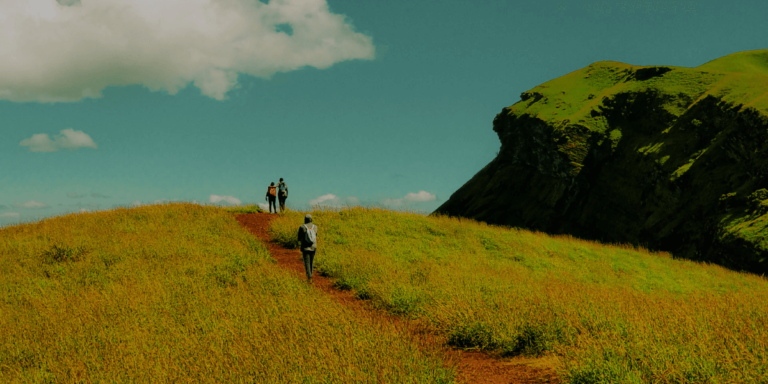
The trek to Shri Sitalayyanagiri Gudi is often described as a journey to heaven, thanks to the breathtaking views and serene environment along the way. The path, surrounded by dense forests and vibrant greenery, offers a spiritual and sensory experience that uplifts the soul.

What Should You Know About the Trekking Experience?

The trek is moderately challenging and accessible to beginners with average-level fitness. It takes around 2-3 hours to reach the temple, depending on the pace and weather conditions. On the journey, trekkers are rewarded by scenic views, sounds of the natural world, and sometimes peeks at wildlife.

How Can You Prepare for the Trek?

To ensure a comfortable journey, wear sturdy shoes, carry enough water, and pack lightweight snacks. Starting early in the morning is advisable to avoid the afternoon heat. It’s also essential to follow the designated trail and respect the natural environment.

Note: Trekking guides are available for those unfamiliar with the route. Their local knowledge can enhance your experience.

What Natural Wonders Surround Shri Sitalayyanagiri Gudi?

A person stands atop a mountain adorned with purple flowers, overlooking a breathtaking landscape of lush greenery and misty hills.

Why Are the Western Ghats Called a Biodiversity Hotspot?

The Western Ghats, a UNESCO World Heritage Site, are renowned for their rich biodiversity. There are so many species of flora and fauna found in the vicinity of Shri Sitalayyanagiri Gudi; some of them are even endemic to this area. The lush greenery and pristine environment make it a paradise for nature lovers.

What Views Will Take Your Breath Away?

From the temple’s vantage points, visitors can enjoy sweeping views of mist-covered hills, cascading waterfalls, and expansive valleys. The scenic beauty is particularly breathtaking during the monsoons when the landscape comes alive with colors.

Encounter Rare Wildlife Here

Nature enthusiasts may spot a variety of wildlife, including colorful birds, butterflies, and even small mammals. The area’s tranquility makes it an ideal spot for birdwatching and photography.

Tip: Bring binoculars and a camera to capture stunning landscapes and wildlife.

How Can You Plan the Perfect Visit to Shri Sitalayyanagiri Gudi?

When Is the Best Time to Visit the Temple?

The ideal time to visit Shri Sitalayyanagiri Gudi is between October and March when the weather is pleasant. The monsoon season, while beautiful, can make the trek slippery and challenging.

Where Can You Stay During Your Journey?

Accommodation options range from budget-friendly lodges to cozy homestays. Local families provide homestay experiences, allowing visitors to immerse in the local culture fully.

What Guidelines Should Visitors Follow?

Visitors are to wear modest clothing, remain silent within the temple precinct, and not litter. They should respect the customs of the place for an enriched and harmonious visit.

Note: Book accommodations in advance during peak seasons to secure your preferred stay.

Why Ranga Taana Is Your Choice for the Best Stay in Chikmagalur

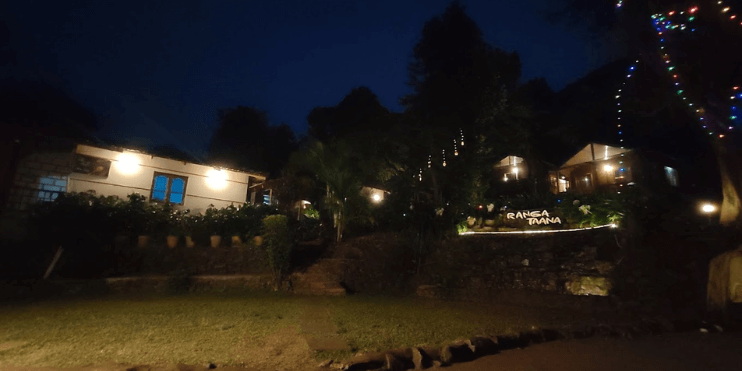
Scenic view of Ranga Taana Resort in Chikmagalur, surrounded by lush greenery, ideal for families and nature lovers.

At Ranga Taana, we take pride in offering the best stay in Chikmagalur, providing an ideal retreat for families and nature lovers. Our resort is surrounded by the lush greenery of the Western Ghats, offering an unmatched experience with luxurious comfort combined with the tranquility of nature. As one of the best places to stay in Chikmagalur, we ensure every guest leaves with cherished memories and a sense of rejuvenation.

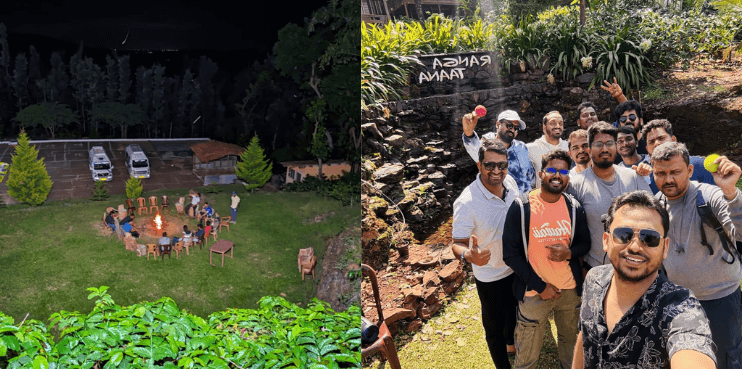
Our family-friendly amenities make Ranga Taana the best places to stay in Chikmagalur for family vacations. From comfortable and spacious rooms to exciting outdoor activities, we cater to all age groups. Whether you’re enjoying a peaceful bonfire under the stars or taking a guided nature walk through breathtaking trails, every moment at Ranga Taana is crafted to bring you closer to nature and your loved ones. For those seeking a luxurious escape, Ranga Taana stands as the best resort to stay in Chikmagalur, offering impeccable services and scenic surroundings.

Conclusion

Shri Sitalayyanagiri Gudi, nestled amidst the majestic hills of Chikmagalur, is a sacred temple and a place where nature and spirituality converge. Its serene location makes it an ideal destination for those seeking peace and introspection. For visitors planning their stay, finding the best places to stay in Chikmagalur near this temple is essential to maximize their experience. Resorts like Ranga Taana offer the perfect base for exploring the temple and surrounding attractions.

Visiting Shri Sitalayyanagiri Gudi is an enriching experience, whether you’re traveling solo or with family. Combining this spiritual journey with a comfortable stay at one of the best resorts to stay in Chikmagalur, like Ranga Taana, ensures that you enjoy the destination and the journey. After a day of trekking to the temple and soaking in its divine aura, returning to a cozy resort that caters to your needs amplifies the joy of the trip. Families, in particular, will appreciate staying at a place that caters to all ages, making it one of the best places to stay in Chikmagalur for family vacations.

Ready to make your Chikmagalur trip unforgettable? Contact us today to book your stay and experience Ranga Taana, where every moment feels like a warm embrace.

Enquire/Know more about Ranga Taana Resort

Best nature stay among resorts in Chikmangalur

    Yagachi Dam, Chikmagalur: Experience Thrilling Water Sports & Scenic Beauty!

    Yagachi Dam, nestled in Karnataka’s Hassan district, is a perfect blend of natural beauty, adventure, and cultural exploration. This scenic spot is renowned for its thrilling water sports, such as kayaking and boating, alongside nearby attractions like Chikmagalur’s coffee plantations and the historic temples of Belur and Halebeedu. 

    With its ideal location and rich offerings, Yagachi Dam appeals to nature enthusiasts, adventure seekers, and culture lovers alike. Whether you’re planning a tranquil escape or an action-packed trip, Yagachi Dam promises an unforgettable experience.

    What Makes Yagachi Dam Special?

    The Yagachi Dam features a vast reservoir, a bridge, and surrounding greenery, highlighting its serene natural beauty.

    The Yagachi Dam is built on the Yagachi River and stretches beautifully across the landscape. Its reservoir provides water for irrigation, drinking, and recreational activities. The dam is a modern engineering marvel, offering breathtaking views of the surrounding Western Ghats. The calm waters and lush greenery make it a serene destination for nature enthusiasts.

    Historical Background:

    Constructed in 2001, the Yagachi Dam was primarily built to support irrigation and water supply for nearby regions. It has since evolved into a recreational hub, attracting tourists from across the country. Its significance lies not only in its utility but also in its contribution to local tourism.

    The dam supports the ecological balance of the place. It supports diverse flora and fauna, providing a lifeline to the biodiversity in the region. The reservoir also replenishes groundwater, ensuring a sustainable water supply for agriculture and drinking purposes.

    Today, Yagachi Dam is a hotspot for water sports, trekking, and picnics. Its locations near heritage sites and natural wonders accentuate its appeal. Whether you’re an adrenaline junkie or a peace-seeker, Yagachi Dam has something for you.

    Tip: “Carry binoculars to spot various bird species that frequent the dam area.”

    Best Time to Visit Yagachi Dam

    A serene view of water beneath a cloudy sky, reflecting the tranquil atmosphere of Yagachi Dam's natural beauty.

    Ideal Seasons:

    The best time to visit Yagachi Dam is during the winter months, from October to February. The weather during this period is cool and pleasant, ideal for outdoor activities and water sports. Monsoons, from June to September, also offer a picturesque view as the reservoir is full, but water sports may be restricted due to safety concerns.

    Festivals Nearby:

    The dam’s proximity to Belur and Halebeedu means you can witness grand festivities, especially during Dussehra. These temples have cultural events that attract all kinds of tourists to these places, adding a rich cultural taste to the trip.

    Note: “Avoid visiting during the peak summer months as the heat can be intense and limit outdoor activities.”

    How to Reach Yagachi Dam

    A large dam with water cascading over it, surrounded by lush greenery, showcasing the beauty of nature and engineering.

    By Air: The closest airport is Mangalore International Airport, located about 180 km away. From the airport, you can hire a cab or take a bus to reach the dam. For international tourists, Bangalore’s Kempegowda International Airport is another option.

    By Train: Hassan Railway Station, around 35 km from Yagachi Dam, is the nearest railhead. Regular trains connect Hassan to major cities like Bangalore and Mysore. Local transportation options, such as buses and cabs, are available from the station.

    Tip: “For self-drive tourists, ensure your vehicle is fuelled up as fuel stations may be sparse in rural areas.”

    By Road: The dam is also very accessible by road, making it possible for the self-driven tourist. From Bangalore, the drive via NH75 takes approximately 4 hours. Buses and private taxis from cities like Chikmagalur and Hassan are frequent and convenient.

    Water Sports and Adventure Activities at Yagachi Dam

    A scenic dock with various boats, highlighting water sports and adventure activities at Yagachi Dam.

    Boating: Boating at Yagachi Dam is a favorite activity for visitors. You can choose from serene rowboats to thrilling motorboats, each offering a unique experience. The calm waters of the reservoir make it a safe and enjoyable activity for families and couples.

    Three individuals kayaking on a serene lake, enjoying water sports at Yagachi Dam amidst beautiful surroundings.

    Kayaking: Adventure seekers can indulge in kayaking, a thrilling way to explore the dam’s expansive waters. Equipment rentals are available on-site, making it convenient even for first-timers. Kayaking offers a great mix of adventure and exercise.

    Water Skiing: For those looking for an adrenaline rush, water skiing is available at the dam. Glide across the waters at high speed while enjoying the breathtaking views around you. Trained professionals guide participants, ensuring safety.

    Other Adventure Activities:

    A large inflatable water park featuring a raft, surrounded by adventure activities like ziplining and trekking trails.

    Beyond water sports, the dam offers ziplining for those who want to take adventure to new heights. Nearby trekking trails and camping spots provide additional opportunities to connect with nature and unwind.

    Note: “Make sure to wear appropriate safety gear and follow all instructions provided by activity coordinators.”

    Attractions Near Yagachi Dam

    Belur and Halebeedu Temples:

    A stone temple surrounded by lush trees, showcasing intricate Hoysala architecture and rich historical significance.

    Just a short drive away, these temples are a testament to Hoysala architecture. The intricate carvings and historical significance make them a must-visit for culture enthusiasts.

    Explore the rich heritage of Halebeedu and the legacy of the Hoysalas, known for their exquisite architecture and history. Learn more in our guide to The Hoysala Legacy: Discovering Halebeedu’s Rich Heritage.

    Chikmagalur Coffee Plantations:

    A small hut surrounded by vibrant green tea plants in the scenic Chikmagalur region, known for its coffee plantations.

    Experience the aroma of fresh coffee as you explore the lush plantations of Chikmagalur. Guided tours provide insights into coffee production and the region’s history.

    Agumbe Rainforest:

    Ancient ruins enveloped by lush jungle, featuring trees and grass, showcasing nature's beauty in the Agumbe Rainforest.

    A few hours away, the Agumbe Rainforest offers an immersive experience in nature. With its dense foliage, waterfalls, and diverse wildlife, it’s a paradise for trekkers and photographers.

    Manjarabad Fort:

    Aerial view of Manjarabad Fort, a star-shaped structure surrounded by lush green forest, offering stunning Western Ghats vistas.

    This star-shaped fort, located near Sakleshpur, provides panoramic views of the Western Ghats. It is an ideal haunt for history enthusiasts as well as adventure lovers.

    Tip: “Plan your itinerary to include both cultural and natural attractions for a well-rounded experience.”

    Accommodations and Dining Options

    Nearby Stays:

    For luxury seekers, several high-end resorts near the dam offer premium amenities and stunning views. Budget travelers can find affordable hotels and homestays in Hassan and Chikmagalur, ensuring a comfortable stay.

    Dining Options:

    Local eateries serve authentic Karnataka cuisine, including dishes like bisi bele bath, masala dosa, and freshly brewed filter coffee. Some resorts also have multi-cuisine restaurants to cater to diverse tastes.

    Note: “Book accommodations in advance during the peak season to avoid last-minute hassles.”

    Your Perfect Getaway: Ranga Taana – The Best Resort in Chikmagalur

    A charming cottage atop a hill, nestled in a lush forest, offering a serene escape into nature's beauty.

    At Ranga Taana, we pride ourselves on offering an exceptional experience that defines the best hill resorts in Chikmagalur. Surrounded by lush greenery and serene landscapes, our property provides a perfect retreat for those looking to rejuvenate amidst nature. Whether you’re seeking adventure or tranquility, our location ensures you enjoy the ultimate getaway at the best stay in Chikmagalur.

    Our resort in Chikmagalur is the place to stay and a destination in itself. From cozy accommodations to nearby trekking trails and waterfalls, every moment here is designed to leave you refreshed and inspired. The scenic beauty around our resort in Chikmagalur is complemented by our warm hospitality, ensuring your visit is nothing short of magical.

    Ranga Taana stands out as one of the best hill resorts in Chikmagalur, offering proximity to nature’s wonders and exciting adventures. If you’re dreaming of the best stay in Chikmagalur, look no further than our resort, where comfort meets elegance. Explore the stunning views and immerse yourself in the tranquil surroundings at one of the best hill resorts in Chikmagalur. Come for the comfort; stay for the memories!
    Safety Tips for Visitors

    Water Safety:

    Always wear a life jacket when experiencing water sports. Ensure that the equipment is in good condition and follow the instructions of certified trainers. Avoid venturing into restricted areas of the reservoir.

    General Precautions:

    Carry essentials such as sunscreen, hats, and water bottles to stay protected from the sun. Watch your step on slippery surfaces near the dam. Always keep a first-aid kit accessible for treating minor injuries.

    Tip: “Stay hydrated and take regular breaks during your visit to avoid exhaustion.”

    Conclusion

    Yagachi Dam offers a perfect blend of adventure, relaxation, and cultural exploration. Whether you’re gliding across its waters, trekking nearby trails, or exploring heritage sites, this destination promises unforgettable memories. Its special charm lies in its ability to cater to varied interests, making it a must-visit spot in Karnataka.

    Are you ready to experience the thrill and beauty of Yagachi Dam? Plan your trip now and create everlasting memories with your loved ones. Share your experiences with fellow travelers to inspire them to explore this gem of Karnataka!

    Ready to escape to nature? Contact us today to book your stay and experience Ranga Taana, one of the best hill resorts in Chikmagalur, for an extraordinary vacation!

    Enquire/Know more about Ranga Taana Resort

    Best nature stay among resorts in Chikmangalur

      The Hoysala Legacy: Discovering Halebeedu’s Rich Heritage

      Halebeedu is the capital of the ancient Hoysala Empire, now existing as a testimonial to India’s glorious architectural history. Nestled in the Hassan district of Karnataka, it is home to awe-inspiring temples that reflect the artistic brilliance of a bygone era.

      The Hoysala Empire is forever remembered for its distinctive temple architecture, and history’s legacy continues to cast a spell of fascination over historians and tourists alike. This article takes you on a trip to explore the heritage of Halebeedu, unveiling something that tells history and holds timeless charm.

      Historical Background of Halebeedu

      The name “Halebeedu” translates to “old city,” but its original name was Dwarasamudra, meaning “gateway to the seas.” It was once a thriving city, and in the 11th century, it was made into the Hoysala capital, shaping the cultural and political landscape of South India.

      The Hoysala rulers chose Halebeedu as their center because of its strategic location and large resources. Under their reign, the city flourished, becoming a hub of art, culture, and architecture. It succumbed to destruction in the 14th century when the Delhi Sultanate invaded it. Remnants of its past glories remain as ruins even today.

      Note: The original name, Dwarasamudra, reflects the city’s historical connection with the vast water bodies surrounding it.

      The Hoysala Empire: A Brief Overview

      The Hoysala dynasty, founded in the 10th century, rapidly expanded its influence across Karnataka and surrounding regions. Known for their patronage of the arts, the Hoysalas invested heavily in building temples that were centers of cultural development.

      Their architectural style, characterized by intricate stone carvings and star-shaped temple plans, was revolutionary at the time. This period marked a golden age for South Indian temple architecture, leaving behind an indelible mark on Halebeedu’s landscape.

      Tip: The Hoysala architecture is distinguished by its use of soapstone, which allowed artisans to create highly detailed carvings.

      Architectural Marvels of Halebeedu

      Hoysaleswara Temple Halebidu

      Tourists admire the intricate sculptures of the ancient Hoysaleswara Temple, a masterpiece of 12th-century Hoysala architecture.

      Dedicated to Lord Shiva, the Hoysaleswara Temple is one of the crowning jewels of Hoysala architecture. Constructed in the 12th century, this temple stands on a star-shaped base, a signature style of the Hoysalas.

      The temple is decorated with detailed sculptures depicting various Hindu deities, animals, and mythological scenes. The level of detail in these carvings is astounding, showcasing the mastery of Hoysala artisans. The temple continues to be one of the most important focus sites for history lovers and even spiritual explorers in the quest for timelessness.

      Note: Remember the temple’s outer walls, which depict episodes from the Ramayana and Mahabharata.

      Kedareshwara Temple

      Stone Kedareshwara Temple showcases intricate carvings, reflecting Hoysala artistry and dedicated to Lord Shiva.

      Also dedicated to Lord Shiva, the Kedareshwara Temple reflects the artistic finesse of the Hoysala era. Built during the reign of King Veera Ballala II, the temple features detailed sculptures, ornamental pillars, and an exquisitely carved ceiling.

      Unlike the Hoysaleswara Temple, which is larger, the Kedareshwara Temple is known for its compact elegance and serene ambiance. Now, efforts are being put in to preserve this architectural piece, ensuring it stands on cultural eternity.

      Jain Temples of Halebeedu

      Stone Jain temple with ornate pillars, showcasing exquisite carvings and reflecting the spiritual focus of Jain philosophy.

      Halebeedu is also home to a group of Jain temples known as Basadis, which include the Parshvanatha, Shantinatha, and Adinatha temples. Those monuments again prove religious diversity and harmony in the Hoysala period.

      The Jain Basadis are adorned with minimal yet exquisite carvings, reflecting the simplicity and spiritual focus of Jain philosophy. The sculptures of Tirthankaras inside the temples are crafted with precision, showcasing the skill of Hoysala sculptors.

      Artistic and Cultural Significance

      Intricate carvings on temple walls showcase scenes from mythology and daily life, reflecting Hoysala's rich cultural heritage.

      The Halebeedu temples provide richly articulated scenarios of what Indian life was like centuries ago. The sculptures and friezes adorning these structures depict scenes from Hindu mythology, everyday life, and the natural world.

      The meticulous carvings of animals, plants, and celestial beings highlight the deep connection the Hoysalas had with nature. These temples played an important role in helping art, music, and literature flourish and transform the reign of Hoysala into an effervescent cultural eternity at Halebeedu.

      Tip: Art enthusiasts should take time to study the friezes depicting scenes from the epics; each tells a unique story.

      Preservation and Conservation Efforts

      The preservation of Halebeedu’s ancient structures faces several challenges, including weathering, pollution, and the impact of tourism. Efforts by the Archaeological Survey of India (ASI) focus on restoring and protecting historical sites.

      Community initiatives greatly contribute to ensuring that the integrity of these monuments remains intact. Sustainable tourism is becoming more prominent to make sure this heritage of Halebeedu does not drift into oblivion.

      Halebeedu in the Modern Era

      A temple nestled among vibrant green trees, showcasing the beauty of Halebeedu's historical architecture.

      Halebeedu draws thousands of tourists every year, just because of its historical and architectural charm. Tourism has become a significant contributor to the local economy, providing livelihoods to the residents. In short, schools are now using its history in their curriculum, spreading the knowledge to children. Various festivals and cultural events on Hoysala-style architecture bring alive the memory of the empire.

      Tip: Plan your visit during the Hoysala Mahotsava, an annual cultural festival, to experience local traditions.

      Ranga Taana Resort: A Tranquil Retreat Amidst Nature

      Two wooden houses nestled in a lush forest, showcasing a tranquil retreat surrounded by nature's beauty.

      At Ranga Taana Resort, we offer an immersive experience that harmoniously blends comfort with the serene beauty of Chikmagalur’s landscapes. Our unique wooden cottages, crafted from imported wood, provide a cozy and rustic ambiance, allowing you to unwind amidst lush coffee plantations. You can unwind here while redefining comfort through modern amenities in each cottage.

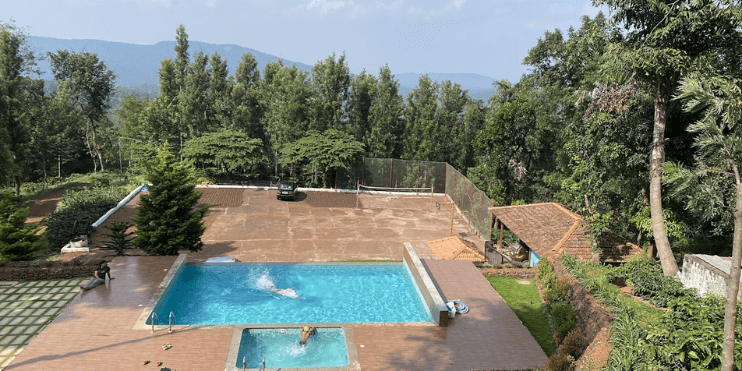
      Our resort features a pristine swimming pool, perfect for a rejuvenating dip after a day of exploration. For adventure lovers, we manage guided treks to nearby waterfalls and hiking trails, offering an opportunity to discover the untouched beauty of the area. Culinary delights await you with our authentic Malnad cuisine, prepared using fresh, local ingredients to tantalize your taste buds.

      Whether you’re pursuing a tranquil retreat or an adventurous getaway, Ranga Taana Resort caters to all your desires. Our loyal team is dedicated to providing personalized service, ensuring that your stay with us is both memorable and rejuvenating.

      Conclusion

      Halebeedu stands as a remarkable testament to the artistic brilliance and cultural grandeur of the Hoysala Empire. Its temples, sculptures, and ruins whisper stories of a glorious past, drawing history enthusiasts, architecture aficionados, and spiritual seekers alike. Visiting this historic gem is a chance to marvel at the craftsmanship that transcends time.

      As you explore Halebeedu, let its intricate carvings, serene temples, and tales of ancient glory inspire you. Pair this enriching experience with a serene retreat at Ranga Taana Resort, where nature, comfort, and adventure blend seamlessly. Halebeedu is a timeless saga waiting to be uncovered, ensuring your journey is as memorable as the legacy it holds.

      Ready to experience tranquility and adventure at Ranga Taana Resort? Contact us today or visit our website to book your stay.

      Enquire/Know more about Ranga Taana Resort

      Best nature stay among resorts in Chikmangalur

        Shettihalli Church – Beautiful Photography Spot in Chikmagalur

        Shettihalli Church, often called the “Floating Church,” is nestled in the scenic town of Hassan, Karnataka. This 19th-century relic, with its haunting ruins, has transformed into a favorite among photographers and travelers alike. 

        The church’s mysterious ambiance, especially when partially submerged during monsoons, offers a unique setting that sets it apart from other historical sites. It’s the perfect blend of nature, history, and architecture, making it a must-visit destination.

        The church’s location along the Hemavati River provides a stunning backdrop, where the waters mirror its Gothic arches. Every season transforms the landscape around the church, offering visitors different perspectives to capture.

        During the monsoon, the church appears to float, while in the dry season, the surrounding land creates a stark contrast against the weathered stone. This contrast makes Shettihalli a dynamic subject for photography, perfect for capturing nature’s impact on man-made structures.

        The Historical Journey of Shettihalli Church: From Flourishing Chapel to Floating Ruin

        A large, old, abandoned church stands alone in a field, a remnant of its vibrant past and colonial heritage.

        The Origins of Shettihalli Church in the 1860s

        Constructed by French missionaries in the 1860s, Shettihalli Church served the Christian community and local estate owners. It was a symbol of spiritual service and cultural convergence, reflecting the region’s colonial past. 

        This grand structure was initially a vibrant place of worship, filled with stained glass and intricate interior designs. It became a central hub for both spiritual gatherings and social support, embodying the values brought in by its French founders.

        Tip: For history buffs, reading up on the influence of French missionaries in Karnataka can provide deeper context during your visit.

        Submersion and Abandonment: The Impact of the Hemavati Dam Construction in 1960

        The construction of the Hemavati Dam in 1960 changed Shettihalli’s fate, leading to the displacement of several villages, including the church. As the dam redirected the waters of the Hemavati River, the church found itself submerged for months each year. 

        This transformation turned the once-thriving church into a ruin but also imbued it with a new allure as a “floating church,” drawing curious visitors and photographers from around the world.

        Note: The church is submerged from July to October, making boat rides a popular way to explore it up close during these months.

        A Century-Old Legacy: Stories of Service and Cultural Importance

        Beyond its architectural appeal, Shettihalli Church has a legacy of compassion and service. During its early years, it provided aid to local communities, regardless of their religious backgrounds, fostering a sense of unity. 

        This history of service, combined with its striking visuals, creates a sense of reverence among those who visit as they reflect on its past and how it has evolved into a serene, solitary landmark.

        Tip: Engage with local guides who can share anecdotes and lesser-known stories about the church’s past, enhancing your experience.

        Unique Architecture: Gothic Ruins in an Indian Landscape

        Gothic ruins of Shettihalli Church stand in a field, showcasing pointed arches and ornate stone carvings amidst the landscape.

        Gothic Grandeur: Key Architectural Features that Define the Church’s Style

        Shettihalli Church is a prime example of Gothic architecture, characterized by pointed arches, ribbed vaults, and ornate stone carvings. Despite its current state of ruin, the remnants of these elements hint at its former grandeur. 

        The arches that rise above the waterline during the monsoon create an ethereal sight, while the stonework showcases the craftsmanship of the era.

        A Visual Contrast: How the Gothic Ruins Stand Out Against Karnataka’s Lush Scenery

        The striking contrast between the weathered, dark stone of the church and the vibrant greenery of the surrounding landscape creates a dramatic visual effect. 

        This contrast is further amplified during sunrise or sunset, as the light plays across the ruins, casting shadows that add depth to photographs. It’s this interplay of light, structure, and nature that makes Shettihalli a unique destination.

        Note: For best results, time your visit for a golden hour—either early morning or late afternoon—for the most captivating photos.

        Weathered by Time: The Erosion and Transformation of the Church into a Timeless Ruin

        Decades of submersion and exposure to the elements have left the church in a state of beautiful decay. The once-smooth stone surfaces have eroded, creating a texture that tells the story of its resilience. 

        The ruins stand as a testament to how nature can transform human creations, offering a poetic perspective for those who visit.

        Tip: Bring along a macro lens to capture the intricate textures of the stonework up close.

        Gothic Architecture and Scenic Appeal: A Visual Feast for Photographers

        An aerial view of Shettihalli Church, showcasing its Gothic architecture amidst serene waters and intricate stone details.

        Intricate Details: The Stonework, Arches, and Vaults that Make the Church Unique

        Even in its ruined state, the intricate details of Shettihalli Church are visible to the keen observer. The arches, some of which remain partially intact, provide a sense of the scale and elegance that the church once possessed. 

        The design elements, inspired by European Gothic styles, seamlessly blend with the natural setting, creating a scene that is both otherworldly and rooted in history.

        Note: For photographers, focusing on these details can bring out the church’s timeless beauty, perfect for close-up shots.

        Crafted with Care: How Traditional Materials like Jaggery and Eggs Enhanced Its Structure

        The unique construction of Shettihalli Church included local materials like jaggery and eggs, known for adding strength and durability to the mortar. This technique, which has been used in various historical buildings across India, speaks to the fusion of local and European building practices. 

        These materials have helped the church withstand decades of submersion and erosion, making it a resilient landmark.

        Tip: Learning about traditional building methods can provide a deeper appreciation for the church’s enduring structure.

        A Ruinous Beauty: Why the Church’s Decay Adds to Its Photographic Appeal

        The decaying walls and collapsed roofs create a hauntingly beautiful scene, offering endless opportunities for creative photography. Many visitors find that the ruinous state of the church evokes a sense of mystery and nostalgia, making each photograph feel like a captured moment in time.

        Note: Play with black-and-white filters to emphasize the contrast between the church’s structure and the surrounding landscape.

        The Seasonal Magic: Shettihalli’s Ever-Changing Water Levels

        Ruins of a submerged church in a lake, partially visible during the monsoon, creating a mystical and atmospheric scene.

        Monsoon Mystique: Visiting the Submerged Church During the Rainy Season

        From July to October, Shettihalli transforms into a floating church, with only the tops of its arches visible above the water. This period creates an otherworldly scene as the church appears to rise out of the water, shrouded in mist. 

        The monsoon skies add a dramatic backdrop, making this season ideal for photographers seeking a moody, atmospheric shot.

        Tip: Hire a local boatman to get a closer view of the submerged church during the monsoon, offering unique angles for photos.

        Summer Revelation: When the Church Emerges in Full, Revealing Hidden Details

        As the water recedes in the summer, the full structure of Shettihalli Church is revealed. Visitors can walk up to the church and explore the remnants of its interior. 

        This season offers a different perspective, where the dry riverbed and exposed architecture allow for closer inspection of the building’s craftsmanship.

        Note: Carry plenty of water and sun protection if visiting during summer, as the area can get hot and dry.

        Perfect Reflections: Capturing Stunning Shots of the Church Against the Monsoon Skies

        The monsoon season provides a unique opportunity for reflection photography. The still waters of the Hemavati River create a perfect mirror for the church’s arches and the surrounding greenery. 

        These reflections, combined with dramatic cloud formations, can turn even a simple snapshot into a breathtaking image.

        Why Shettihalli Church is a Must-Visit for Instagram Enthusiasts

        A large church ruins on an island, surrounded by a serene lake, perfect for stunning photography and social media posts.

        A Photographer’s Paradise: How the Church’s Ruins Create a Stunning Backdrop

        With its weathered arches, open skies, and reflective waters, Shettihalli Church offers endless opportunities for photographers. Its isolated location and haunting beauty make it ideal for both landscape shots and close-up captures. 

        Many travelers find that every angle tells a different story, providing rich material for social media feeds.

        Note: For an Instagram-worthy shot, try capturing the church at sunset, when the light creates a magical glow over the waters.

        Storytelling Through Images: Why Travelers Share Their Shettihalli Adventures Online

        Visitors to Shettihalli Church often find that its atmosphere lends itself to storytelling through photography. The church’s ruins, shrouded in mist or bathed in golden sunlight, create a narrative of time and nature reclaiming human creations. 

        Each photograph of the church carries a sense of mystery and tranquility, making it an ideal spot for those who enjoy creating visually captivating stories for their social media followers.

        Tip: Pair your photos with captivating captions about the church’s history or your experience to create engaging posts for your audience.

        From Filters to Frames: Tips for Capturing the Best Shots at Shettihalli Church

        To make the most of Shettihalli Church’s stunning scenery, consider using wide-angle shots to capture the entire structure and its surroundings. For a more intimate feel, focus on close-ups of the stonework or the church’s reflection in the water. 

        You can bring depth to your photographs and bring out the textures of the ruins by using natural light, especially in the golden hour.

        Note: To bring out the rich tones of the stone and the lush vegetation surrounding the church, use editing programs to adjust the colors and contrast in your images.

        Visiting Shettihalli Church: Your Complete Travel Guide

        The ruins of an old church stand isolated, surrounded by nature, showcasing a blend of history and serene landscapes.

        Best Times to Visit: Choosing Between the Monsoon’s Mystique and Summer’s Serenity

        Choosing when to visit Shettihalli Church can offer entirely different experiences. The monsoon season (July to October) presents a unique opportunity to see the church partially submerged, creating a surreal view that’s perfect for dramatic photographs. 

        In contrast, visiting from December to May allows you to explore the church’s full structure and get up close to the ruins without water covering its base.

        Tip: For the best of both worlds, plan a visit in early July or late October when the water levels are just beginning to rise or recede.

        Reaching the Ruins: Directions from Bangalore, Hassan, and Other Major Cities

        Shettihalli Church is approximately 200 km from Bangalore, making it a feasible weekend trip. The most convenient way to reach the church is by car, following the NH75 route to Hassan. 

        From there, the church is a short drive, with signs leading to Shettihalli village. Alternatively, visitors can take a train to Hassan Railway Station and hire a cab for the remaining 25 km to the site.

        Note: Be sure to fill up on fuel and carry cash for tolls and local expenses, as ATMs may be scarce near the church.

        Plan Your Trip: Travel Essentials, Packing Tips, and What to Expect on Arrival

        While visiting Shettihalli, pack light but carry essentials such as water, snacks, and sun protection, as the area needs nearby eateries. The surroundings are peaceful but can be remote, so it’s wise to keep a first-aid kit and some insect repellent. 

        Be prepared for rustic conditions and bring the right pair of walking shoes to explore the uneven terrain around the church.

        Tip: Consider combining your visit with a trip to nearby attractions like Gorur Dam for a well-rounded experience in the Hassan region.

        Explore More Around Shettihalli: Attractions and Activities Near the Church

        A large dam with water cascading over it, surrounded by scenic views and nearby attractions like Gorur Dam and Hasanamba Temple.

        Nearby Gems: Discover Gorur Dam, Hasanamba Temple, and More

        Shettihalli Church is situated near several other attractions that are worth a visit. The Gorur Dam offers panoramic views of the backwaters and makes for a great spot to relax after visiting the church. 

        Hasanamba Temple, located in Hassan, is another spiritual site with a rich history, attracting pilgrims and history enthusiasts alike. Combining these sites with a visit to Shettihalli creates a varied and enriching travel itinerary.

        Note: Plan your route to include stops at these sites, allowing extra time for each location to enjoy the experience fully.

        Where to Stay: Top Accommodations Close to Shettihalli for a Comfortable Visit

        A serene pool surrounded by lush greenery, offering a tranquil escape in nature's beauty. Perfect for relaxation and exploration.

        If you’re planning to extend your visit to Shettihalli Church, we at Ranga Taana Resort would love to welcome you. Nestled near the serene beauty of Kemmangundi, our resort offers a tranquil escape for travelers. As one of the best resorts near Kemmangundi, we provide easy access to stunning natural attractions and breathtaking viewpoints, making it the perfect base for your explorations.

        Our resort in Kemmangundi offers well-appointed rooms and modern amenities, ensuring a comfortable stay. Located near the Kemmangundi Hill area, we provide an ideal retreat for those seeking relaxation after a day of sightseeing. Our proximity to Shettihalli Church and other local attractions makes us a convenient choice for visitors who wish to enjoy the beauty of the region.

        At Ranga Taana Resort, we are passionate about offering our guests a seamless blend of comfort and nature. As a Kemmangundi resort, our location is perfect for nature enthusiasts who want to explore the dense greenery and scenic landscapes of the area. We’re here to ensure that your stay with us is as peaceful and enjoyable as possible.

        Tip: Book accommodations in advance, especially during the monsoon season, as the area attracts more visitors during this time.

        A Perfect Day Out How to Plan a Day Trip or Weekend Escape to Shettihalli

        Shettihalli Church can be visited as part of a relaxed day trip from Bangalore or a more leisurely weekend escape. Start your day early to avoid the afternoon heat and explore the church and its surroundings at a gentle pace. For a full-day adventure, combine your visit with stops at local eateries in Hassan or a picnic by the riverbanks.

        Note: Pack a picnic to enjoy on the banks of the Hemavati River, taking in the serene views of the church and surrounding landscape.

        Conclusion

        Shettihalli Church stands as a testament to the passage of time, where history meets the forces of nature in a stunning display. Its combination of Gothic architecture, serene surroundings, and seasonal transformations makes it a destination unlike any other in Karnataka. For those with an eye for beauty, it offers endless photographic opportunities and a chance to connect with a place where time has seemingly stood still.

        The echoes of prayers, the collapse of its roof, and the rise of the Hemavati River have all shaped the Shettihalli Church into what it is today—a silent witness to the changes of the past century. Standing on its grounds, you can almost imagine the congregation that once filled its halls, giving a tangible sense of history that lingers in the air.

        Make your visit to Shettihalli Church even more special by staying with us at Ranga Taana Resort, the best resort near Kemmangundi. Enjoy a relaxing stay at our Kemmangundi Hill resort, where modern comforts meet the beauty of nature. Book your stay at our resort in Kemmangundi for a peaceful retreat and unforgettable experience amidst the stunning landscapes.

        Enquire/Know more about Ranga Taana Resort

        Best nature stay among resorts in Chikmangalur

          The Legend Behind Shivgiri Temple: Myths and Stories from the Locals

          Shivgiri Temple is wrapped in mystery and ancient stories, nestled deep in the serene Western Ghats. For centuries, locals have passed down legends about Lord Shiva’s presence here, and the temple continues to draw visitors looking for both spiritual peace and a connection to nature. It’s where every corner seems to hold a story, and every visit feels like stepping into another world.

          As you journey through lush forests and winding roads toward this sacred site, the air feels charged with a sense of wonder. The tales of sacred serpents, eternal flames, and divine blessings are woven into the landscape fabric, making Shivgiri a destination and an experience.

          Are you curious to uncover these myths and explore the beauty that surrounds the temple? Let’s dive into the rich stories and natural splendor that make Shivgiri Temple special.

          The Journey to Shivgiri Temple

          A large statue of Lord Shiva stands majestically in a park, surrounded by lush greenery and serene landscapes.

          Shivgiri Temple is accessible by both private vehicles and public transportation. The nearest town, Chikmagalur, serves as a base for most travelers, with well-maintained roads connecting it to the temple. Buses, taxis, and private cars are commonly used by visitors, with taxis offering the most convenience for those unfamiliar with the area.

          The journey to the temple is as enchanting as the destination itself. Travelers are treated to breathtaking views of lush green forests, meandering rivers, and mist-covered mountains. The winding roads through the Western Ghats heighten the sense of adventure, offering picturesque vistas perfect for photography and a sense of serenity before reaching the temple.

          The best time to visit Shivgiri Temple is during the cooler months, from October to March when the weather is pleasant and the surroundings are in full bloom. Travelers should check if any permits are needed for trekking or visiting nearby protected areas. Accommodations are available in Chikmagalur, ranging from budget homestays to mid-range hotels, making it a convenient stop for rest before heading to the temple.

          The Trek to the Temple

          • For Adventure Seekers:

          For those who prefer trekking, the path leading to Shivgiri Temple offers an exciting challenge. The trek is difficult, passing through dense forests and small streams and possibly encountering local wildlife. The journey is adorned with beautiful natural surroundings, making it perfect for nature lovers and adventure enthusiasts.

          If you’re a trekking lover, check out our article “The Journey to Netravati Peak: A Trekker’s Paradise.” Don’t forget comfortable shoes, plenty of water, and snacks for energy!

          • For Non-Trekkers:

          If trekking isn’t your preference, don’t worry. Some alternatives make reaching Shivgiri Temple easier. Visitors can drive up to the temple’s base and then walk along shorter paths, enjoying a more leisurely approach to the temple. These paths still offer scenic views and the opportunity to soak in the peaceful atmosphere without the exertion of a full trek.

          Shivgiri Temple: A Sacred Haven

          A large statue of Lord Ganesha stands majestically in Shivgiri Temple park, symbolizing wisdom and prosperity.

          Architectural Overview

          Temple of Lord Shiva, Shivgiri Temple showcases a unique blend of ancient Indian design and nature. Modest yet oldest, its architecture reflects traditional Dravidian styles. The carving on the temple’s wall narrates stories of Lord Shiva and deities, while stone pillars harmonize with lush greenery. 

          The design showcases local cultural influences, incorporating symbols of the five elements—earth, water, fire, air, and ether. This interaction enhances its sacredness, creating a space that inspires awe in spiritual seekers and architecture enthusiasts. 

          Spiritual Vibe of the Location

          The spirituality of Shivgiri Temple attracts visitors the moment they arrive. Visitors here describe a profound sense of peace and tranquility, finding calm amidst the vibrant wilderness. The gentle sound of chanting slokas, the aroma of incense, and the soft ringing of bells create a soothing atmosphere for spiritual seekers. 

          Devotees often perform rituals to enhance their experience, such as a purifying bath in nearby sacred waters. Offering flowers, lighting lamps, and meditating in the temple’s sanctum help connect visitors with the divine energy that is believed to reside there.

          Local Myths and Legends Surrounding Shivgiri Temple

          A university sign shaped like a tree, symbolizing growth and knowledge, set against a serene backdrop.

          Local stories say that the Shivgiri Temple is built on land once graced by Lord Shiva, marking it as a sacred site for divine energy. It has become a place of spiritual power, with locals sharing stories of divine interventions throughout the centuries. Many believe that visitors with pure hearts receive blessings of guidance and protection from Lord Shiva during their time at the temple.

          Legend of the Mystical Hill

          Believed by locals to be a manifestation of a great mythical serpent, the mountain housing the Shivgiri Temple is steeped in myth, or Naga, guarding the area. This serpent is thought to bless the region with natural beauty and spiritual significance, offering healing powers that many visitors experience during meditation and rituals. The calm, rejuvenating energy surrounding the temple attracts those seeking both spiritual and physical renewal.

          The Tale of the Eternal Flame

          One of the most captivating stories of Shivgiri Temple is the tale of the Eternal Flame, believed to burn within its innermost sanctum as a symbol of Lord Shiva’s unending presence. Local lore claims this flame has never been extinguished, embodying the divine energy that sustains the universe. 

          In this place, visitors who witness the flame often feel a profound connection to the divine, with some even reporting supernatural experiences. This flame has become a focal point for pilgrims seeking deeper spiritual awakening. Such myths and stories enrich the mystique of Shivgiri Temple, transforming it into a destination where the sacred and natural worlds beautifully intertwine.

          Cultural Stories from the Locals

          A large statue of a Hindu god stands majestically in a park, symbolizing spirituality and cultural heritage during festivals.

          Festivals and Rituals

          Shivgiri Temple becomes a delight during festivals, especially Maha Shivratri, a night dedicated to Lord Shiva. The local community celebrates the festivals joyfully and adds charm to the celebrations with age-old traditions. The temple is decorated with gorgeous flowers and vibrant colors, and worshippers come together for prayers, rituals, and chants. Shivratri is both a spiritual and cultural event that unites locals and devotees. 

          A unique tradition in Shivgiri Temple during festivals is storytelling, where elders share myths and legends about the temple, enriching the spiritual experience.

          Interaction with the Temple’s Caretakers

          In the Shivgiri Temple, priests and caretakers are vital to preserving its spiritual and cultural legacy. With deep connections to the temple’s history, the priests and caretakers share sacred stories with pilgrims. Engaging with them offers spiritual guidance and fascinating tales of the temple’s past and divine occurrences. 

          Visitors are encouraged to talk with the priests and caretakers for profound insights into the temple’s history. These conversations reveal the temple’s origins and miraculous events, enriching the spiritual experience.

          Exploring Beyond the Temple

          A serene jungle waterfall surrounded by lush green trees and rocky terrain, showcasing nature's beauty and tranquility.

          While the temple is the main attraction, Shivgiri’s surroundings offer a wealth of natural beauty that should be noticed. Nature lovers will find plenty to explore nearby, from cascading waterfalls to dense forests teeming with wildlife. Some of the most popular nearby spots include:

          • Waterfalls: Explore hidden waterfalls within the Western Ghats, which are perfect for a peaceful retreat or an adventurous hike.
          • Wildlife Sanctuaries: The area surrounding Shivgiri is home to diverse wildlife, making it ideal for those interested in nature photography or birdwatching.
          • Scenic Viewpoints: Panoramic views of the lush mountain ranges and valleys provide perfect spots for photography or quiet reflection.

          Discover hidden waterfalls in the Western Ghats, which are ideal for a serene escape or an adventurous hike. If you’re seeking natural beauty, check out our article “Hebbe Waterfalls: A Journey Through Chikmagalur’s Scenic Beauty.”

          Adventure Opportunities

          A small hut atop a mountain offers a breathtaking view of the valley, surrounded by lush forests and trekking paths.

          For those seeking adventure, Shivgiri offers more than just a spiritual journey. The region is a haven for outdoor lovers with its trekking paths and nature trails. Beyond the temple, multiple routes vary in difficulty, catering to both casual walkers and experienced hikers.

          These trails wind through thick forests, offering chances to encounter rare species of birds and wildlife. Some paths lead to hilltops that provide spectacular views of the Western Ghats, perfect for a day of exploration.

          For birdwatching enthusiasts, the area around Shivgiri is known for its diverse avian species, making it an ideal spot for spotting exotic birds and capturing them in their natural habitat.

          To make the most of your visit to Shivgiri, plan an itinerary that includes both spiritual and natural experiences. Enjoy local cuisine from nearby villages and explore traditional crafts unique to the region. Handcrafted souvenirs such as wooden carvings or textiles make for memorable keepsakes.

          Ranga Taana Resort: Your Perfect Retreat After Exploring Shivgiri Temple

          A charming cottage atop a hill, nestled in a lush forest, offering a serene retreat near Shivgiri Temple.

          For an unforgettable stay near Shivgiri Temple, we at Ranga Taana Resort offer the perfect retreat. As a top resort in Kemmangundi, we provide a peaceful and rejuvenating experience surrounded by the lush beauty of the Western Ghats.

          After exploring the sacred site of Shivgiri, you can unwind at our Kemmangundi Hill Resort, where you’ll enjoy modern comforts and stunning views of the natural landscape. Our location, just a short drive from Shivgiri, makes us the ideal base for those seeking both adventure and relaxation.

          Rated as one of the best resorts near Kemmangundi, we offer a serene environment where you can connect with nature while enjoying top-notch amenities. After a day of exploring the mystical legends surrounding Shivgiri Temple, return to the comfort of our resort for a tranquil evening in the heart of the mountains.

          Whether you’re here for spiritual enrichment or a nature-filled getaway, we ensure your stay at our Kemmangundi Hill Resort is memorable and comfortable. The best resorts near Kemmangundi boast beautiful surroundings, but ours stands out with its commitment to providing a unique and personal experience.

          Book your stay with us today and immerse yourself in the beauty of this hidden gem.

          Conclusion

          Shivgiri Temple offers a unique blend of spiritual serenity and captivating natural beauty, making it a destination unlike any other. From its deep connection to Lord Shiva to the stunning landscapes of the Western Ghats, this temple invites you to experience inner peace and the rich tapestry of local myths passed down for centuries.

          Whether you come for spiritual renewal, to marvel at the stunning surroundings, or to uncover the ancient legends that give this place its mystical aura, Shivgiri Temple will leave a lasting impression.

          If you’re seeking an escape that combines adventure, tranquility, and cultural immersion, Shivgiri Temple is the perfect retreat. The stories and experiences awaiting you here promise to elevate your journey, making it a transformative experience. 

          Discover the legends, the beauty, and the serenity of Shivgiri, and let its charm stay with you long after you leave.

          Escape to Ranga Taana Resort, the premier resort in Kemmangundi, and immerse yourself in the breathtaking beauty of the Western Ghats. Book your stay at our Kemmangundi Hill Resort today and experience why we’re among the best resorts near Kemmangundi!

          Enquire/Know more about Ranga Taana Resort

          Best nature stay among resorts in Chikmangalur

            Trip To Bhadra Dam

            Bhadra Dam, a captivating blend of nature and beauty, is covered with lush forest landscapes. Located near Lakkavalli village in the Chikmagalur district, the Dame is a key source of Hydroelectric Power and Picturascue Retreat for travelers seeking serenity. 

            Surrounded by the Western Ghats and the Dense Forest of the Bhadra Wildlife Sanctuary, the Dam is an ideal destination for those looking to reconnect with nature, explore wildlife, and enjoy scenic vistas. Its peaceful water, lush greenery, and diverse ecosystem make it a perfect getaway for nature lovers, adventure enthusiasts, and those looking to escape the urban hustle. 

            The Bhadra Dam was constructed across the Bhadra River, a tributary of the Tungabhadra River, and completed in 1965 as a part of an ambitious project to promote agricultural sustainability and hydroelectricity generation. 

            It irrigates over 1,60,000 hectares of land, supporting farmer’s livelihoods across multiple districts, and contributes significantly to Karnataka’s Hydroelectric Renewable energy resources. 

            Where Is Bhadra Dam? How to Reach This Nature’s Marvel

            Aerial view of Bhadra Dam, showcasing water flow amidst lush hills and forests near Shimoga, a gateway to scenic attractions.

            Bhadra Dam is close to the vibrant city of Shimoga or Shivamogga. The Dam is conveniently located within driving distance of popular tourist destinations in Chikmagalur, such as Bhadra Wildlife Sanctuary, Z Point, and Hebbe Falls.

            The region’s natural beauty makes the journey to Bhadra Dam an experience, with breathtaking views of misty hills, forests, and coffee plantations. 

            Multiple Travel Options to reach to Bhadra Dam: 

            Reaching Bhadra Dam is straightforward, with several options available for travelers:

            • By Road: Tourists can take a panoramic drive from major cities such as Bangalore (about 285 km away) or Mangalore (about 180 km away). The well-connected highways make it an enjoyable private car or cab road trip.
            • By Public Transport: Regular KSRTC and private buses operate from nearby cities like Chikmagalur (about 55 km) and Shimoga (about 30 km) to Lakkavalli. From there, travelers can hire local cabs to reach the dam site.
            • By Train: The nearest railway station is in Shimoga, where visitors can easily get a taxi or bus to reach Bhadra Dam.
            • By Air: The closest airport is Mangalore International Airport, from where travelers can continue by road.

            Whether by private vehicle or public transportation, the journey to Bhadra Dam offers the perfect prelude to the serene and picturesque destination that awaits.

            Discover the Natural Beauty Around the Bhadra Dam

            The entrance to a lush forest, framed by towering trees, invites exploration into nature's serene beauty.

            Bhadra Dam is set in the stunning backdrop of one of India’s most picturesque mountain ranges, the Western Ghats. The Dam is surrounded by rolling hills, dense forest, and peaceful water, making it a heaven for photographers and nature enthusiasts.

            The surrounding Bhadra Wildlife Sanctuary adds to the natural charm, offering opportunities to spot wildlife, including elephants, leopards, and diverse bird species. The rich greenery and majestic peaks create a serene atmosphere, perfect for relaxing in nature’s lap. 

            A Place to Witness Stunning Sunsets: 

            One of the highlights of visiting Bhadra Dam is its breathtaking sunset. The sky seems painted in vibrant orange, pink, yellow, and gold hues as the sun dips below the horizon. The tranquil water of the Dam reflects these colors, creating a mesmerizing view that leaves visitors in awe.

            The combination of the peaceful ambiance, the vast expanse of water, and the dramatic colors of the evening sky makes Bhadra Dam a perfect spot for witnessing nature’s beauty at its finest.

            For photographers, travelers, or anyone seeking peace, Bhadra Dam offers an unmatched visual spectacle that touches the heart and mind. 

            Adventure Activities Around Bhadra Dam

            Two individuals paddling a yellow kayak on a serene water surface, surrounded by lush hills and forested landscapes.

            Explore the Water with Exciting Boating Experiences: 

            In Bhadra Dam, you can enjoy thrilling boating opportunities in a tranquil reservoir perfect for adventure enthusiasts and nature lovers. You can glide across the shimmering water in motorboats or pedal boats. You can feel your breath, soaking in the stunning views of the Dam, the surrounding hills, and the dense forest.

            The boat rides provide a remarkable view of the Dam’s natural beauty, with a chance to spot birds and wildlife. If you want a peaceful ride or a more adventurous boating experience, the expansive reservoir caters to both, making it a must-try activity for travelers. 

            Wildlife Safari: 

            For those who love adventure on land, Wildlife Safari around Bhadra Dam is an exhilarating way to explore the untamed wilderness of the Bhadra Wildlife Sanctuary. 

            The sanctuary is home to wild animals and birds, including Tigers, Elephants, Leopards, and sloth bears, offering a rare chance to witness these real wildlife in their natural habitat.

            The guided Safari takes visitors deep into the forest, where they can feel the thrill of tracking wildlife, hear the calls of the forest, and engage themselves in the region’s rich biodiversity. A Safari around Bhadra Dam is about spotting animals and connecting nature with the soul. 

            If you want a boating experience or a Wildlife Safari’s thrill, Bhadra Dam offers adventure-filled experiences to satisfy any traveler seeking an adrenaline rush amidst nature’s grandeur.

            A Birdwatcher’s Paradise: Spot Rare and Migratory Birds

            A blue and white bird with a blue beak perched on a branch, surrounded by lush greenery in a serene natural setting.

            Bhadra Dam is a true Haven for Birdwatchers and Bird Lovers, offering beautiful and picturesque scenery to watch various bird species in their natural habitat. The Dam’s islands and surrounding forest areas are part of the Bhadra Wildlife Sanctuary, attracting resident and migratory birds.

            These birds are making this area a prime destination for avian enthusiasts. Visitors can spot a range of feathered wonders, including Kingfishers, Eagles, Herons, and Hornbills. During migration season, the reservoir and its dense surrounding host rare species that excite those with a keen eye for birdlife. These birds make a symphony of sights and sounds to attract birdwatchers. 

            Best Times for Birdwatching: 

            The best time for birdwatching at Bhadra Dam is during Winter, from November to March. In Winter, migratory birds flock to this region. The cool weather and misty environment provide the perfect conditions for observing various bird species as they come in the season. Early morning and late afternoon are the ideal time for birdwatching. 

            You can watch birds between 6 am to 8 am and 4 pm to 6 pm as they are most active during these hours. This time, you will get soft lighting that will enhance the visibility.  Whether you’re a seasoned bird watcher or a casual observer, this time of year offers unparalleled opportunities to witness the rich diversity of the avian population in the beautiful surroundings of Bhadra Dam.

            The Bhadra River flows through the Bhadra Tiger Reserve and Wildlife Sanctuary, and the Bhadra Dam is on its northern border. In this sanctuary, there is a rich bird environment called avifauna, including Junglefowl, Red Spurfowl, Painted Bush-Quail, Emerald Dove, Southern Green Imperial Pigeon, Great Black Woodpecker, Malabar Parakeet, and Hill Myna.

            Reptiles are also reported in the river, and the Dam is full of Marsh Crocodiles and Monitor Lizards. Common River Otters and Smooth Indian Otters, Gaurs, and Leopards are commonly sighted in the Dam. The wildlife can be viewed by boat riding in the Dam, where you can witness Tyavarekoppa Lion, Tiger Safari, the Sakkrebyle Elephant Camp, and more.

            Immerse Yourself in Nature: Bhadra Wildlife Sanctuary Awaits

            An Untouched Haven for Wildlife Enthusiasts: 

            You can witness a pristine and protected haven near Bhadra Dam in Bhadra Wildlife Sanctuary. This sanctuary is also known for its rich biodiversity, spread across the lush terrain of the Western Ghats.

            It is crucial in conserving endangered species and preserving exotic plant life. The dense forest, rolling hills, and tranquil water create a fluorescent atmosphere where travelers can immerse themselves in the untouched beauty of nature. 

            Nearby Attractions Around the Bhadra Dam

            Lush green hills of Kerala, showcasing the serene beauty and tranquility of the Western Ghats, ideal for nature lovers.

            Kemmangundi:

            For those looking to extend their adventure beyond Bhadra Dam, Kemmangundi, a paradise for photography and a hill station, is a must-visit destination. Just a short drive from the Dam, Kemmangundi offers spectacular scenic views of the Western Ghats. The hill station will give you a feeling of cold wind and mist you would love to breathe.

            It is an ideal spot for nature lovers and hikers, with popular trekking routes like Z Point, which provides breathtaking views of surrounding valleys. The cool climate and calm atmosphere of Kemmangundi make it the perfect day trip for travelers seeking a peaceful escape from nature. 

            Looking for a peaceful hill station getaway? Explore our Kemmangundi guide to discover why it’s the ideal destination for nature lovers and adventure seekers.

            Shivappa Nayaka Palace in Shimoga: 

            For those interested in exploring the region’s historical heritage, the Shivappa Nayaka Palace offers a fascinating local history story. This palace was built in the 16th century, during the reign of the Keladi dynasty of Karnataka. It showcases a special mixture of traditional and Indo-Islamic architecture.

            With its intricately carved wooden pillars, spacious courtyards, and lush gardens, the palace provides a peaceful yet culturally enriching experience. Visiting this historical site adds a rich experience to the trip, combining natural beauty with historical insight.

            Discover Hebbe Falls:

            A group of people stands near a stunning waterfall in a lush jungle, enjoying the natural beauty of Hebbe Falls.

            Near Kemmangundi is Hebbe Falls, one of the most iconic falls of Karnataka for its natural attractions. Within the dense forests, the fall cascades down in two stages from 550 feet, creating a mesmerizing sight for visitors.

            The journey to Hebbe Falls involves a scenic trek for adventure sports and a thrilling jeep ride through coffee estates and rugged terrain that are added to the adventure tour. The surrounding greenery and the refreshing spray of the waterfall make it a popular place for picnics and photography. 

            Are you planning to visit Hebbe Waterfalls? Check out our guide to Hebbe Waterfalls for tips on making the most of your adventure at this breathtaking natural wonder.

            Whether you are trekking through Kemmangundi’s hills, jump into the beauty of Hebbe Falls, or dive into the local history at Shivappa Nayaka Palace,  the attractions around Bhadra Dam offer a diverse range of experiences that make your trip even more mesmerizing.

            When to Visit Bhadra Dam for the Ultimate Experience

            The Best Season to Visit:

            • The ideal time to visit Bhadra Dam is during the winter months, from October to February.
            • The weather is pleasant and cool, making outdoor activities such as boating, hiking, and wildlife viewing more enjoyable.
            • Perfect for those who want to explore the surrounding natural beauty without the discomfort of extreme heat or rain.

            Monsoon Magic:

            • The area becomes a lush, green paradise during the monsoon season, typically from June to September.
            • The Dam and surrounding landscapes offer stunning scenic views, with waterfalls and the river swelling to its fullest.
            • However, travelers should be cautious as heavy rains may pose challenges such as slippery roads, transportation delays, and limited accessibility to certain areas.

            Local Culture and Delicacies to Savor

            Experience the Local Traditions and Culture: 

            A visit to Bhadra Dam not only involves travelers in nature but also offers a chance to experience the vibrant Local Culture of Karnataka. The villages around the Dam are rich in traditions, and the local people’s warmth and simple rural way of life provide an authentic cultural experience.

            The region comes alive throughout the year with traditional festivals, including the New Year of Kannada, Ugadi, and Makara Sankranti, celebrated with colorful decorations, folk music, and dance. 

            Travelers may witness rituals at local temples like Deviramma Temple or enjoy the lively atmosphere during festival times, offering a deeper connection with the local community and their way of life.

            Taste the Local Cuisine: 

            Visiting the Bhadra Dam without having local Traditional Karnataka Cuisine is incomplete. Local eateries serve various dishes that reflect the region’s culinary heritage. Visitors can enjoy authentic meals such as a Spicy Rice and Lentil Dish – Bisi Bele Bath, Finger Millet Balls Dish – Ragi Medde, and Rice Flour Flatbread Dish – Akki Rotti.

            All these dishes showcase the rich, earthy flavors of the region. In most of Karnataka, you can find crispy cake dishes at every home, such as Mangalore Bajji or hearty Sambar with Rice.  The food in Chikmagalur is often simple but flavorful, using fresh, locally sourced ingredients that make it a memorable culinary experience.

            Why Visit Ranga Taana Resort


            View this post on Instagram


            A post shared by Ranga Taana (@rangataana)

            To explore Bhadra Dam, you can stay at Ranga Taana Resort, a premier destination in Chikmagalur. Set amidst the Bhadra Wildlife Sanctuary and lush coffee estates, our resort offers breathtaking landscapes, top-notch amenities, and personalized service for every type of traveler. Whether you’re seeking a romantic escape or a memorable family retreat, Ranga Taana Resort combines luxury with the natural beauty of Bhadra Dam to enhance your stay.

            Additionally, for those looking to explore more of the region’s beauty, a visit to Kemmangundi Hill Resort is highly recommended. This serene hill station is located nearby and offers cool weather, stunning views, and peaceful surroundings. If you’re seeking further relaxation, consider staying at a resort in Kemmangundi to extend your trip and experience both the tranquility of the hills and the adventure at Bhadra Dam.

            Conclusion

            Bhadra Dam is not just a scenic spot, but it offers an ideal combination of serenity, adventure, and breathtaking natural beauty that makes it an ultimate destination for travelers; surrounded by the Western Ghats, the Dam provides thrilling water sports, wildlife safaris, and a rich cultural experience. 

            To feel this experience, Ranga Taana Resort stands out as the perfect choice. To fully experience the best of Bhadra Dam and Chikmagalur’s hospitality, book now for your stay at Our RangaTaana Resort.

            Enquire/Know more about Ranga Taana Resort

            Best nature stay among resorts in Chikmangalur